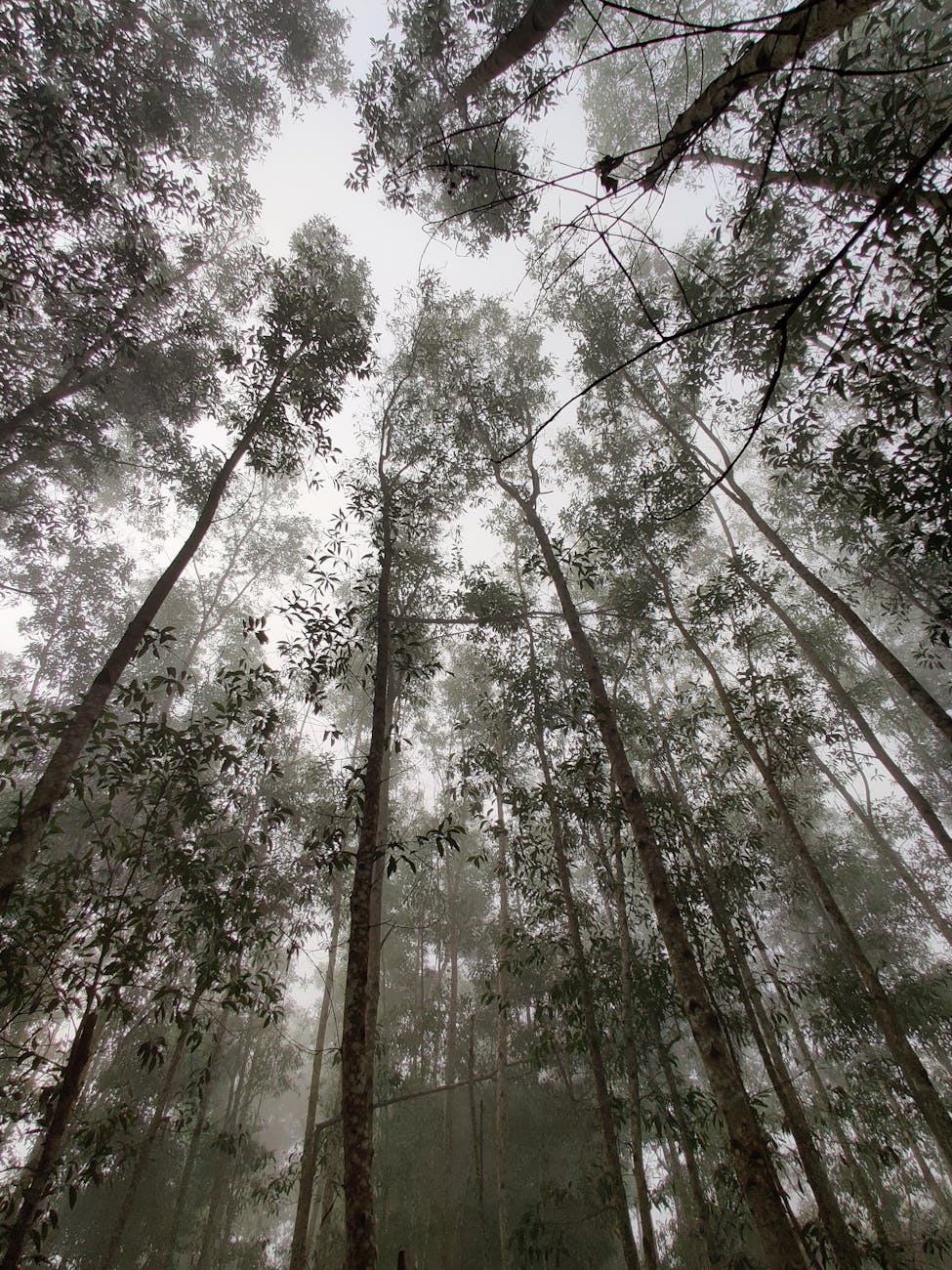
Recent data from the Global Forest Watch (GFW) highlights a significant decline in India’s tree cover since 2000, amounting to the loss of 2.33 million hectares over this period. This reduction represents a six percent decrease in tree cover, raising alarms about its environmental impact and implications for climate change.
Using satellite data and advanced monitoring techniques, the GFW reports that India experienced a loss of 414,000 hectares of humid primary forest between 2002 and 2023, accounting for 18 percent of the total tree cover loss during this timeframe. Disturbingly, from 2001 to 2022, Indian forests emitted 51 million tons of carbon dioxide equivalent annually while sequestering 141 million tons, resulting in a net carbon sink of 89.9 million tons per year.
Tree cover loss, whether due to human activities like deforestation or natural disturbances such as fires or disease, contributes significantly to carbon emissions. The loss of forests not only reduces carbon sequestration but also releases stored carbon into the atmosphere, exacerbating climate change.
Five states—Assam, Mizoram, Arunachal Pradesh, Nagaland, and Manipur—account for 60 percent of India’s tree cover loss. Assam leads the list with 324,000 hectares lost, significantly higher than the state average.
It’s essential to understand that while tree cover loss does not always equate to deforestation, the impact on climate and biodiversity remains profound. The GFW data underscores the urgent need for sustainable forest management practices and robust conservation efforts to mitigate carbon emissions and preserve India’s valuable natural resources.
The GFW’s findings serve as a stark reminder of the environmental challenges India faces and the critical role forests play in combating climate change. Urgent action is required to reverse these trends and safeguard the planet’s ecological balance for future generations.



 PARYAWARAN
Leave a comment