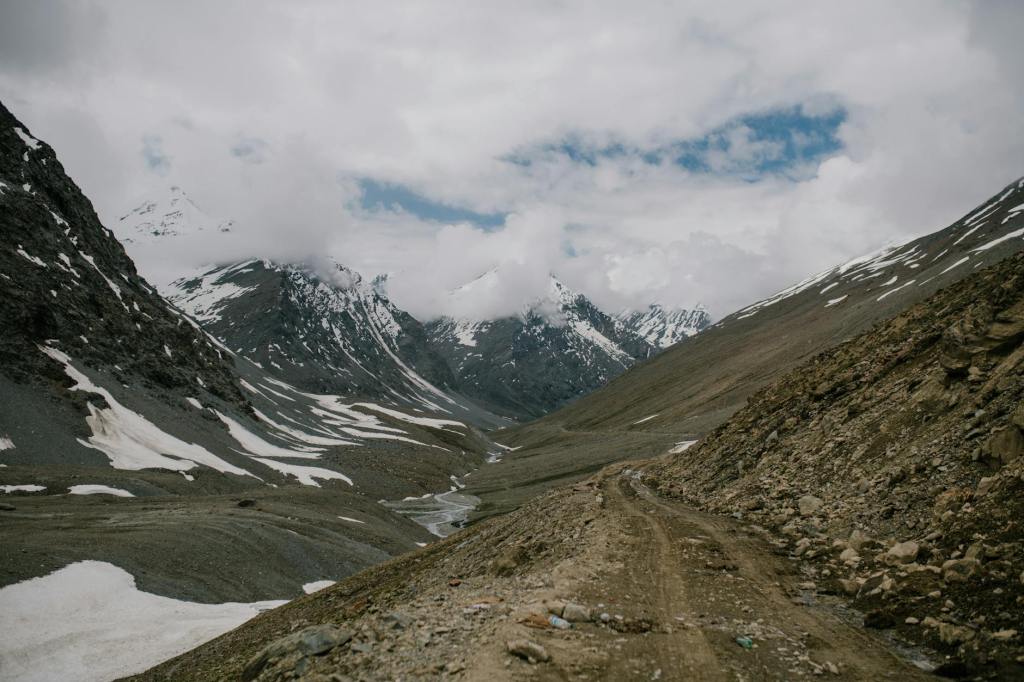
Ecological damage in Ladakh is a significant concern that often goes unnoticed. Sonam Wangchuk’s recent hunger strike has drawn attention to this issue. Ambassador P Stobdan highlighted Leh’s unique development, where the airport was built before the road in 1948, making it a popular tourist destination. Today, Leh attracts hundreds of thousands of tourists annually.
The rapid growth in tourism has led to a surge in hotels, from around 20 in the 1980s to over 700 today, mostly in Leh. This boom has resulted in challenges like excessive waste, noise pollution, and water scarcity. Tourists consume much more water than locals, straining Ladakh’s limited water resources.
Chewang Norphel, known for his artificial glacier technique, has raised concerns about the ecological impact of this tourism growth. The situation is reminiscent of places like Lakshadweep, where tourism restrictions have helped protect natural beauty and strategic interests.
Many countries use high tourism taxes to maintain tourist spots. Hawaii, despite its strategic importance, has introduced a climate impact fee on tourists to protect the environment.
In Ladakh, with half a million tourists annually, sustainable development is crucial. The NITI Aayog emphasizes managing tourism for sustainable growth, given the region’s strategic importance.
Ignoring these ecological challenges could make Ladakh vulnerable to external threats. Therefore, monitoring pollution, implementing taxes, and involving local communities are essential steps to protect this vital region.




 PARYAWARAN
Leave a comment