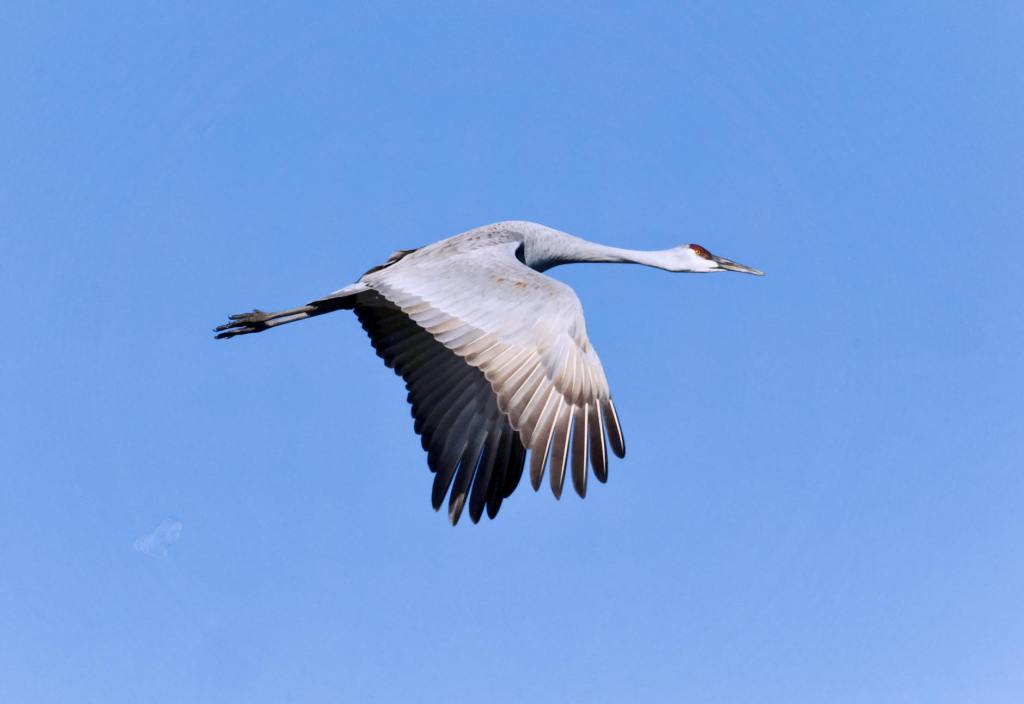
The State of the World’s Migratory Species report, released by the United Nations Convention of Migratory Species of Wild Animals (CMS), delivers a sobering assessment of the perilous situation facing migratory species worldwide. The report, the first of its kind, reveals that approximately 22% of the 1,189 CMS-listed migratory species are at risk of extinction, with an alarming 97% of CMS-listed fish species facing this threat. This crisis extends beyond listed species, with 399 additional migratory species identified as threatened or near threatened with extinction, emphasizing the widespread impact of human activities on global biodiversity.
Migratory species, characterized by their seasonal movements between habitats or regions, play indispensable roles in ecosystem dynamics. They facilitate essential processes such as pollination, seed dispersal, and nutrient cycling, contributing to the overall health and resilience of ecosystems. However, these species face numerous threats stemming from human activities, including habitat degradation, fragmentation, overexploitation, pollution, invasive species, and the overarching influence of climate change.
The report underscores the urgency of addressing unsustainable practices that directly harm migratory species. Unsustainable and illegal hunting, fishing, and trapping pose significant threats to these animals. Bycatch – the unintentional capture of non-target species in fishing gear – also exacts a heavy toll on migratory fish and marine mammals. Furthermore, the loss and degradation of critical habitats disrupt migration routes and breeding grounds, jeopardizing the survival of these species.
Key findings from the report highlight the interconnectedness of human activities and the decline of migratory species. Alarmingly, over half of the Key Biodiversity Areas critical for migratory species lack sufficient protection status, while a majority of monitored sites vital for these species are affected by human activities. These statistics underscore the urgent need for proactive conservation measures to mitigate further population declines and extinctions.
In response to these findings, the report advocates for concrete conservation actions to protect migratory species and their habitats. Efforts should focus on curtailing unsustainable practices, reducing bycatch, and implementing robust measures to safeguard critical sites essential for species survival. This includes identifying, recognizing, and conserving key habitats and migration corridors crucial for maintaining healthy populations of migratory species.
The report aligns with the Kunming-Montreal Global Biodiversity Framework, a landmark international agreement aimed at halting and reversing global biodiversity loss. Central to this framework is the 30×30 goal, which calls for conserving at least 30% of terrestrial, inland water, and coastal and marine areas by 2030. This ambitious target underscores the pressing need for urgent and collective action to safeguard Earth’s biodiversity.
In conclusion, the State of the World’s Migratory Species report serves as a clarion call for immediate and coordinated efforts to conserve migratory species and their habitats. The escalating threats facing these animals demand decisive action to address unsustainable practices and protect critical ecosystems. Collaboration among governments, conservation organizations, scientists, and local communities is imperative to translate the report’s recommendations into tangible conservation actions. By prioritizing the preservation of migratory species, we can safeguard biodiversity, restore ecosystem balance, and secure a sustainable future for all life on Earth.



 PARYAWARAN
Leave a comment