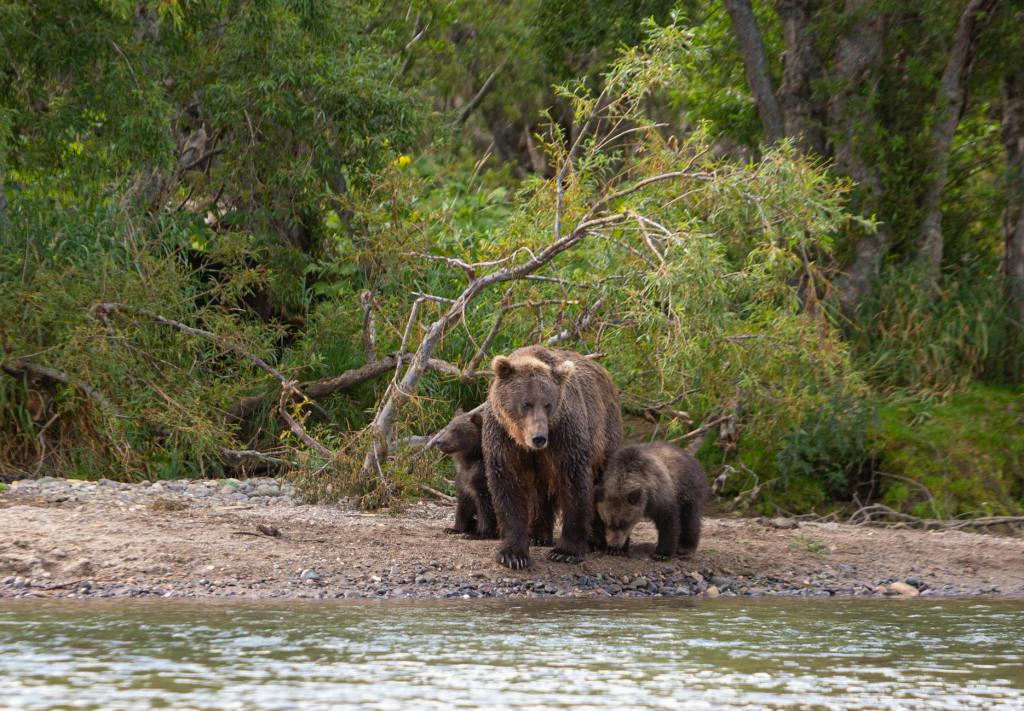
In 2020, wildlife areas in British Columbia experienced a pause in tourism due to COVID-19 lockdowns, offering researchers a rare opportunity to study the impact of human activity on local wildlife populations. During this period, wildlife, including grizzly bears, showed increased activity and utilized open areas more freely in the absence of tourists.
However, with the resumption of tourism in 2021, a noticeable shift in wildlife behavior occurred. Animals became more cautious, seeking refuge in sheltered and less-exposed areas, avoiding typical tourist hotspots. It often took weeks for wildlife activity to return to pre-tourism levels observed during the lockdown period.
Wildlife, such as male grizzlies during peak feeding seasons, tended to avoid heavily visited locations where tourists congregated, opting for quieter areas to forage undisturbed. As natural food sources became scarcer, some animals took risks by venturing closer to tourist sites in search of sustenance.
Studies also observed unexpected behaviors among wildlife, such as using tourist presence as protection against potential threats from other animals.
To minimize negative impacts on wildlife, recommendations included limiting tourist hours, controlling visitor numbers, and implementing seasonal closures during critical wildlife periods. Responsible tourism practices, such as reducing disturbances and properly managing waste, were highlighted to support wildlife conservation while sustaining tourism operations.
Prolonged closures of tourism activities could have economic consequences for local communities reliant on wildlife tourism. Further research is needed to identify specific aspects of tourism that most affect wildlife behavior and to inform effective management strategies.
In conclusion, sustainable wildlife management practices are essential to protect local wildlife populations and support the long-term viability of wildlife tourism, ensuring a balanced and respectful coexistence between humans and wildlife.
 PARYAWARAN
Leave a comment