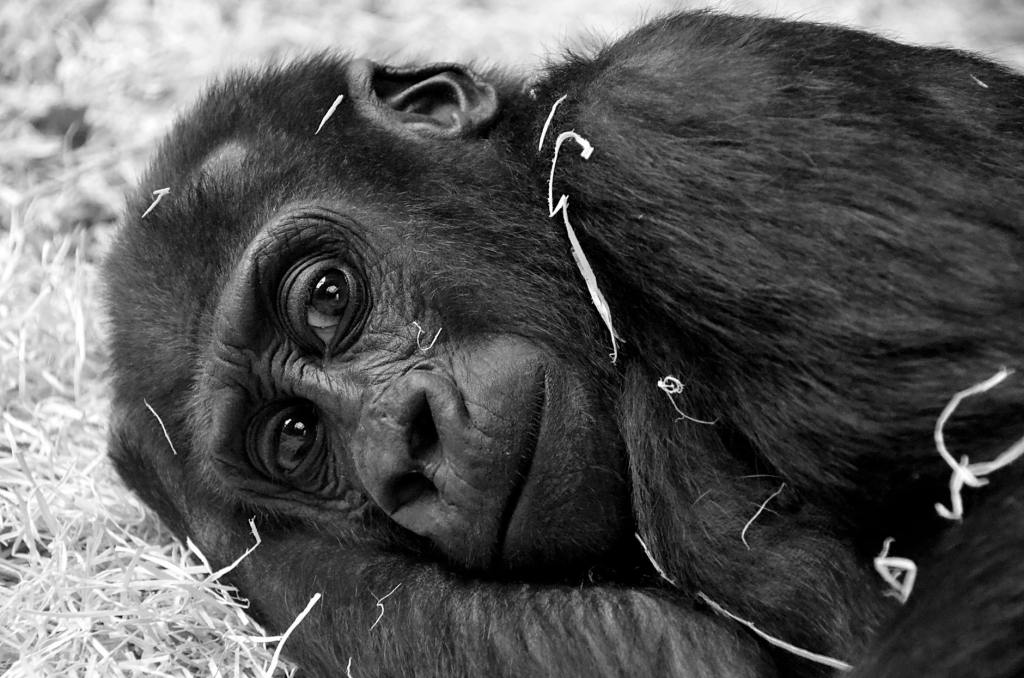
The transmission of human pathogens to great apes, termed reverse zoonoses, poses a significant threat to the survival of these endangered species across Africa. The recent study explores the impact of human diseases on great apes, current conservation efforts, challenges faced, and proposed strategies for mitigating the risk of disease transmission. The consequences of reverse zoonoses are dire for ape populations. Outbreaks of respiratory pathogens, originating from humans, have been responsible for substantial ape mortality rates in regions like Kibale national park in South Africa. The vulnerability of these species is exacerbated by habitat loss and poaching, emphasizing the urgent need for effective disease management strategies.
Great apes, including chimpanzees, gorillas, and bonobos, are highly susceptible to human pathogens due to their genetic similarity to humans. Diseases like human metapneumovirus (HMPV), typically causing mild illnesses in humans, can be lethal for great apes. The proximity of human populations to ape habitats, coupled with ecotourism activities, increases the risk of pathogen transmission.
Conservation efforts often conflict with economic interests, such as ecotourism revenue, which supports local communities and wildlife protection initiatives. Balancing these interests while mitigating disease transmission requires innovative approaches.
Though, conservation organizations have implemented guidelines for great ape tourism, emphasizing visitor hygiene and distancing measures. However, enforcement remains challenging due to practical constraints and financial dependencies on tourism.
Recent studies indicate that human pathogens responsible for ape outbreaks are prevalent among local children. This underscores the importance of addressing public health issues within communities neighboring ape habitats. Mitigating reverse zoonoses requires a multi-faceted approach integrating public health interventions with conservation strategies. By prioritizing community health, strengthening biosecurity measures, and fostering responsible tourism practices, we can safeguard great ape populations from the threat of human-borne diseases.
A case study in Kibale pin points a significant drop in respiratory infections during Covid-19 lockdowns highlighted the impact of human activity on disease transmission to apes. Efforts to promote child health and enhance biosecurity protocols can serve as models for broader conservation initiatives.
Addressing the complex challenge of reverse zoonoses demands sustained commitment from stakeholders across public health, conservation, and tourism sectors. By adopting a holistic approach, we can ensure the long-term survival of Africa’s great apes while promoting sustainable development in ape habitats.
The report underscores the urgent need for proactive measures to protect great apes from the growing threat of human pathogen transmission, emphasizing the interdependence of wildlife conservation and public health in biodiversity conservation efforts.



 PARYAWARAN
Leave a comment