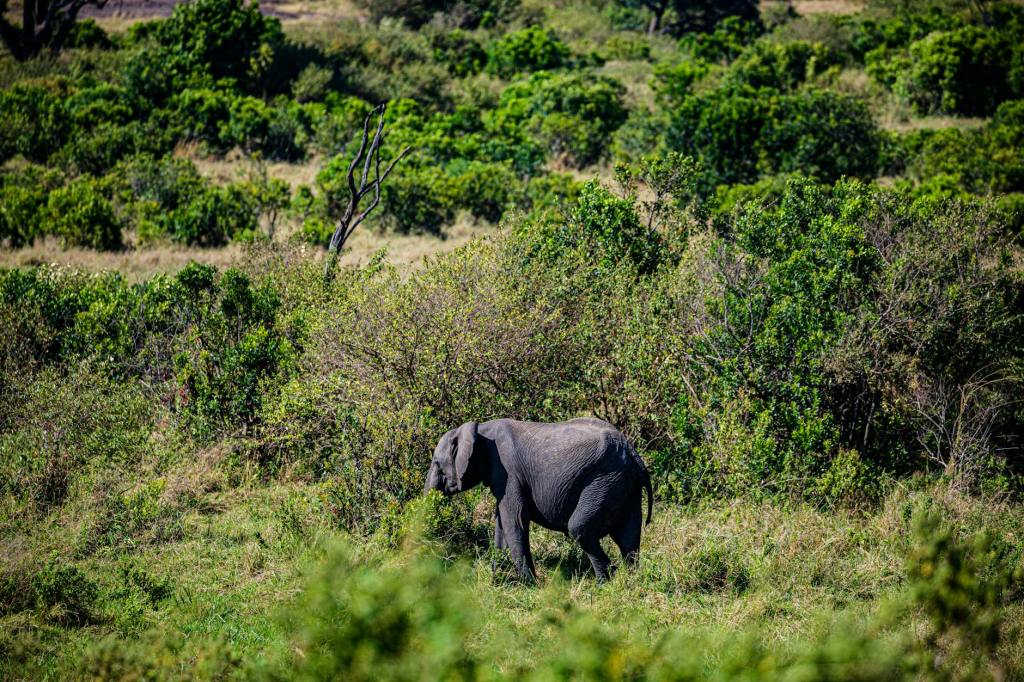
In Chinnakkanal, Munnar, Kerala, the lush forests that once thrived as a habitat for diverse wildlife, including wild elephants, are facing ecological challenges due to the invasion of exotic plant species. A recent study conducted by the Kerala State Forest Protective Staff Organisation (KSFPSO) highlights the urgent need to restore these forests by removing invasive plants like Acacia mearnsii (black wattle) and eucalyptus, which have disrupted the natural ecosystem and limited food sources for wildlife, particularly elephants.
According to the findings presented by KSFPSO the proliferation of exotic plants has significantly altered the landscape of Chinnakkanal. These invasive species have dominated large forest areas, outcompeting native vegetation and leaving behind barren patches devoid of biodiversity. The dense growth of these plants impedes the movement of wildlife, including elephants, and restricts access to essential food and water sources.
The report also highlights the detrimental impact of West Indian Lantana (kongini), another invasive species prevalent in the region, which inhibits the growth of native plants, exacerbating the ecological imbalance and posing challenges for wildlife survival.
In response to these challenges, a ground forest team comprising deputy rangers, watchers, and protection staff recently visited Chinnakkanal to engage with local communities and panchayat officials. The objective was to collaborate on strategies to mitigate human-elephant conflict and restore the natural habitat.
Chinnakkanal panchayat president underscores the proactive role of the local community in addressing the ecological issues. The panchayat has proposed a grass planting initiative at Vettuvanthery to support wild elephants with essential forage. The project, supported by block and district panchayats, aims to pilot grass plantation across three hectares with plans for expansion based on its success.
Transitioning from exotic plant-dominated areas to natural grasslands is crucial for re-establishing diverse vegetation and enhancing wildlife corridors. Grasslands provide essential food and shelter for herbivores like elephants while supporting a balanced ecosystem.
Officials emphasize the significance of restoring native vegetation to facilitate wildlife movement and ensure access to adequate resources. The absence of suitable forage in areas dominated by exotic plants has led to the confinement of numerous wild elephants within the Chinnakkanal landscape.
The presence of wild elephants, including two tuskers and several female elephants with calves, underscores the critical need for effective conservation measures. Experts, including an expert panel appointed by the High Court, advocate reopening the elephant corridor from Anayirankal to Old Devikulam in Munnar to enable the free movement of elephants and reduce human-animal conflict.
Despite concerted efforts by local authorities and conservation organizations, challenges persist in reclaiming forest areas from invasive species and restoring natural habitats. The scale of intervention required, covering nearly 4,000 hectares of forestland infested with exotic plants, necessitates sustained collaboration and resource allocation.
The success of grass plantation initiatives in Chinnakkanal will serve as a model for broader ecological restoration projects in Munnar and beyond. Long-term strategies must integrate community participation, scientific research, and policy interventions to safeguard wildlife and preserve biodiversity.
The initiative led by the KSFPSO and local authorities to remove exotic plants and promote natural grasslands in Chinnakkanal represents a pivotal step towards restoring balance in the ecosystem and ensuring the survival of wild elephants. By prioritizing habitat restoration and community engagement, stakeholders can mitigate human-wildlife conflict and conserve Kerala’s rich biodiversity for future generations.


 PARYAWARAN
Leave a comment