The baobab forests of Madagascar, home to six of the world’s eight baobab species, face significant threats due to deforestation, loss of seed dispersers, and climate change impacts. These iconic trees are not only culturally significant but also economically important for rural communities, particularly women who harvest and sell their fruits. Recognizing the urgent need for conservation, a team of researchers has undertaken comprehensive research and conservation initiatives aimed at saving these ancient giants.
Madagascar’s baobab populations are in peril due to various factors. Slash-and-burn agriculture is responsible for the destruction of thousands of hectares of baobab forests annually. The extinction of key seed dispersers such as giant lemurs and tortoises has disrupted the natural regeneration of baobab trees. Additionally, climate change has exacerbated conditions, leading to irregular weather patterns and increased dryness that negatively impact baobab growth and survival.
A group of researchers specializing in baobabs initiated a project to restore and conserve baobab forests through community engagement and scientific interventions. Extensive studies on seed dispersal mechanisms were conducted, identifying the importance of involving local communities in conservation efforts, establishing sustainable harvesting practices, and replanting baobab seedlings in degraded areas.
As part of the project, nurseries were established in western Madagascar to grow baobab seedlings along with indigenous trees that support the baobab habitat. The goal was not only to restore baobab populations but also to revive the entire ecosystem that facilitates baobab reproduction.
In February 2023, a significant number of baobab and indigenous tree seedlings were transplanted in collaboration with local communities. Despite the dry conditions in the forests, the survival rate of the transplanted seedlings reached an impressive percentage. This success was monitored using advanced technology provided by a company utilizing satellite imagery and AI algorithms to assess forest health and track the progress of the replanting efforts.
Women play crucial roles in the baobab reforestation project. They are actively involved in nursery management, physical planting, and leadership positions within the project. Before the project’s inception, women who primarily collected and sold baobab fruit to support their families were marginalized and lacked influence in conservation decisions.
Recognizing the importance of empowering women, the project initiated a women’s association dedicated to leading conservation actions. This association oversees the maintenance of tree nurseries and the cultivation of indigenous plants as a means of generating income. By involving women in key roles, the project ensures that those directly dependent on baobab resources have a voice in shaping the future of these iconic trees.
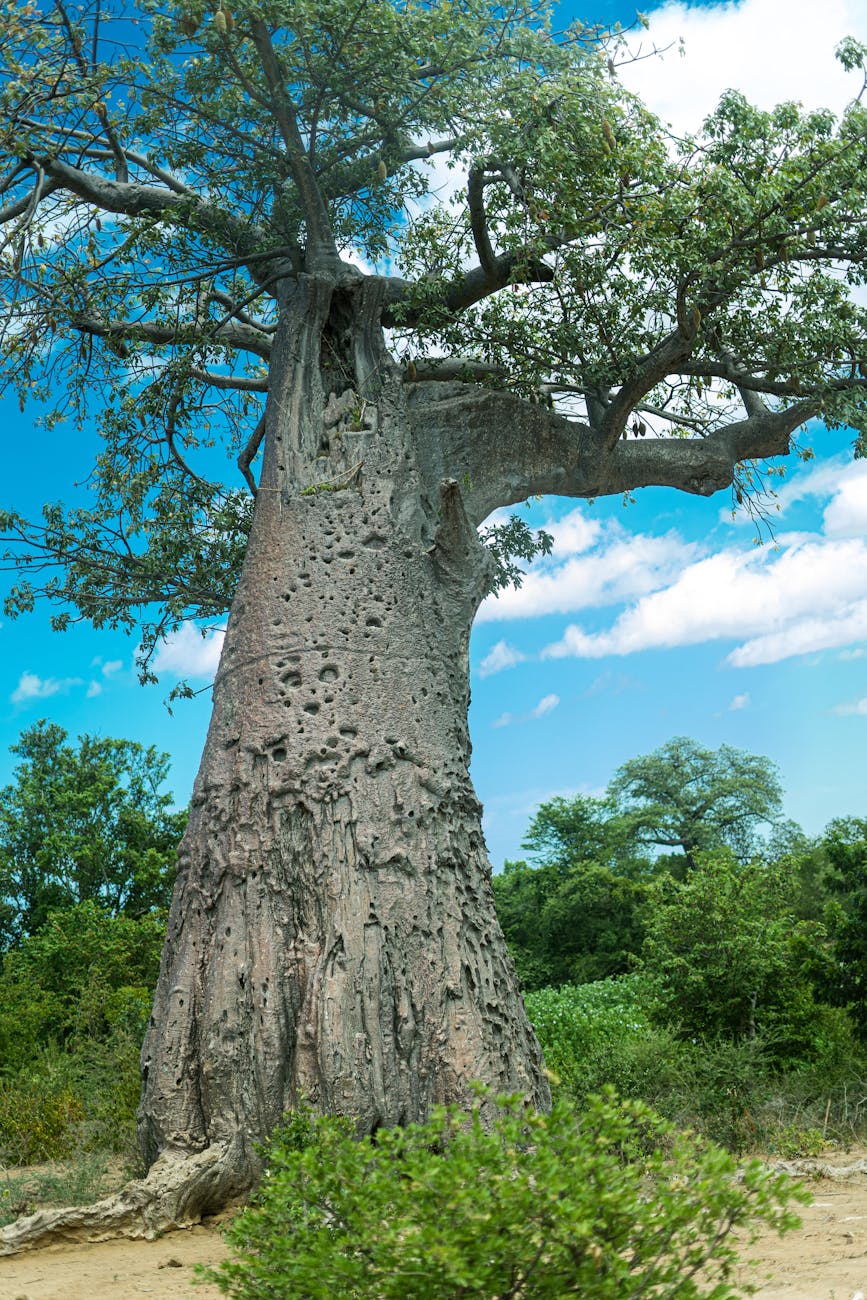
Conservation Efforts for Madagascar’s Baobab Forests
Efforts are vital in safeguarding Madagascar’s baobab forests through research, community engagement, and technology partnerships. Empowering women in conservation promotes sustainability and benefits both nature and society, offering hope for baobab tree survival despite environmental challenges.
2–3 minutes


 PARYAWARAN
Leave a comment