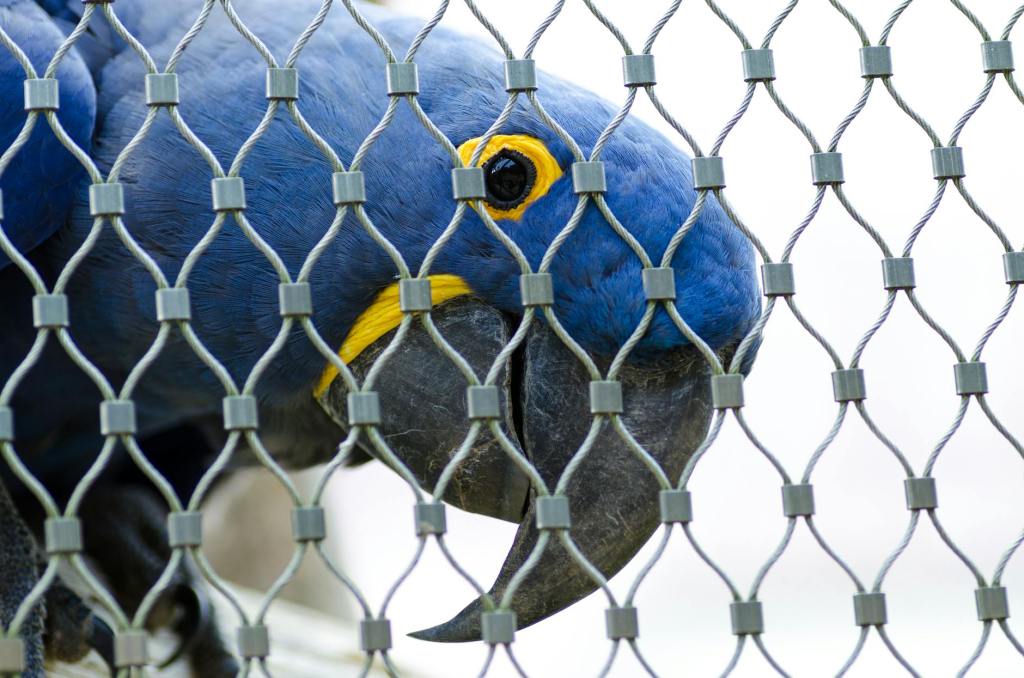
In a sobering report released by the United Nations Office on Drugs and Crime (UNODC), researchers have exposed the staggering scope and devastating impact of wildlife trafficking on biodiversity worldwide. The report reveals that over 4,000 species are currently targeted by wildlife traffickers, leading to irreversible harm to ecosystems and biodiversity.
Wildlife crime, driven by demand for various commodities such as medicine, pets, bushmeat, ornamental plants, and trophies, remains a pervasive global issue. The UNODC’s comprehensive study, based on more than 140,000 wildlife seizures between 2015 and 2021, underscores the severity of the crisis. Alarmingly, 40% of the seized mammals, birds, reptiles, and amphibians were classified as threatened or near-threatened species according to the red list.
The report emphasizes that wildlife trafficking extends its tentacles into more than 80% of countries, with only a fraction of the actual crimes resulting in seizures. Ghada Waly, the executive director of UNODC, lamented the extensive damage inflicted by wildlife crime, warning that it not only imperils nature but also undermines livelihoods, public health, governance, and the planet’s resilience against climate change.
Corals, large reptiles like crocodiles, and elephants were identified as the most frequently trafficked species, with their body parts often used for traditional medicine, ornamental purposes, or exotic pets. Despite the dire consequences, some of the most impacted species receive scant public attention.
The illegal trade, estimated to be worth up to $23 billion annually, also drives corruption, with organized crime groups exploiting weaknesses in enforcement and governance. The report emphasizes that corruption significantly hampers efforts to combat wildlife trafficking, from bribing inspectors to forging permits.
While the number of seizures has risen over the past two decades, there was a notable decline in 2020 and 2021, likely due to the disruption caused by the Covid-19 pandemic and shifts in trafficking methods, such as increased reliance on digital platforms.
Researchers stress that the illegal wildlife trade poses a dire threat to biodiversity, contributing to local and global extinctions. Certain species like spider monkeys and Baird’s tapir have seen their populations plummet by as much as 99.9% due to relentless poaching and trafficking.
The UNODC report advocates for urgent and comprehensive action, calling for enhanced enforcement, better implementation of existing legislation, and increased monitoring and research to combat wildlife crime effectively. The report underscores the need for coordinated global efforts to protect vulnerable species and ecosystems.
Despite international commitments like the UN Sustainable Development Goals, which aim to halt trafficking of protected species by 2030, the report offers a grim assessment, stating that current efforts are insufficient to meet this target.
The study highlights the critical role of corruption in perpetuating wildlife crime, noting that corrupt officials enable the illegal trade by facilitating fraudulent permits and turning a blind eye to illicit activities. The UNODC urges governments and international bodies to prioritize combating corruption to disrupt wildlife trafficking networks effectively.
Furthermore, the report calls attention to the significant financial resources at stake, with more than 100 million plants and animals trafficked annually. This lucrative trade not only threatens wildlife but also fuels transnational organized crime networks, undermining global security and stability.
In response to the report’s findings, experts emphasize the need for urgent action to protect vulnerable species and ecosystems. Enhanced cooperation between governments, law enforcement agencies, conservation organizations, and communities is essential to disrupt wildlife trafficking networks and tackle the underlying drivers of demand.
The UNODC’s report serves as a stark reminder of the urgent need to confront the global crisis of wildlife trafficking. Without decisive action, the world risks losing irreplaceable species and ecosystems, with far-reaching consequences for biodiversity, human well-being, and the health of our planet.



 PARYAWARAN
Leave a comment