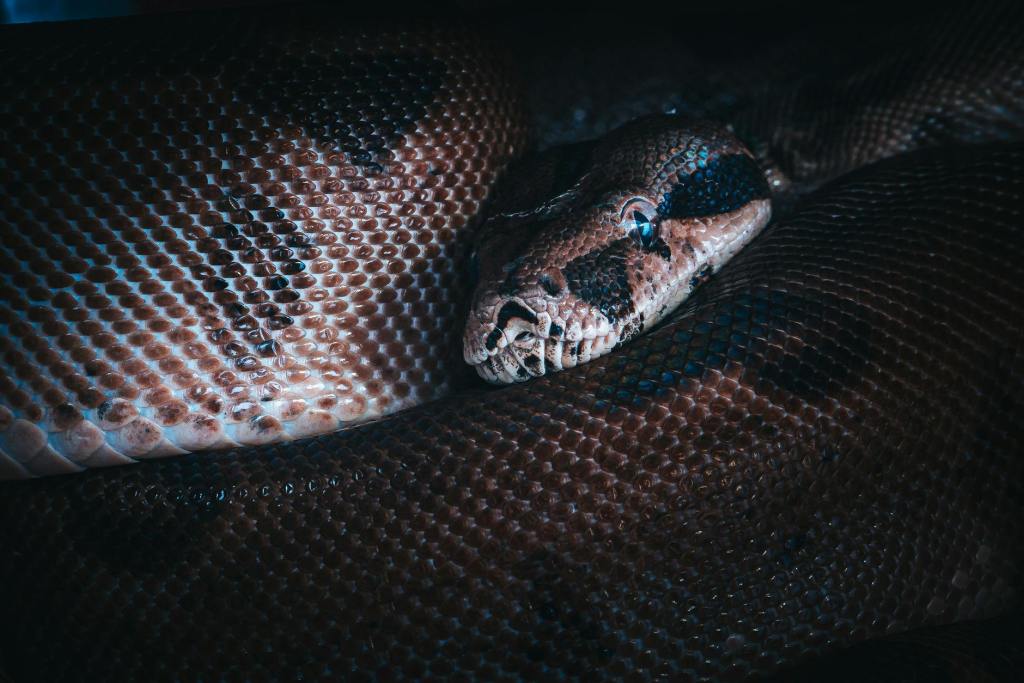
In the heart of Africa, Zimbabwe is facing a mounting crisis as rising temperatures intensify clashes between humans and wildlife. The scorching heatwaves, a hallmark of a changing climate, are driving a surge in dangerous encounters, posing threats to both communities and the natural world.
In recent years, Zimbabwe has witnessed a disturbing trend: as temperatures soar, snakes, typically reclusive, venture into human settlements earlier than usual. This early emergence, attributed to the shortened hibernation period caused by prolonged heatwaves, has led to a spike in snake bites and heightened fears among residents.
Authorities, including wildlife management agencies, point to a direct link between climate change and the uptick in human-wildlife conflicts. The disruption of natural habitats and rhythms forces wildlife, including snakes, to seek refuge in human-populated areas, setting the stage for potentially dangerous encounters.
But the challenge extends beyond serpentine adversaries. Extended fire seasons, fueled by arid conditions exacerbated by climate change, engulf vast swathes of land, displacing wildlife and driving them towards human habitations. As communities grapple with the dual threats of wildfires and encroaching wildlife, the delicate balance between human progress and environmental preservation hangs in the balance.
The legal and ethical complexities of addressing human-wildlife conflicts in Zimbabwe compound the challenge. While the law prohibits the killing of protected species, communities are left vulnerable to the dangers posed by wildlife displaced by climate change. This underscores the urgent need for innovative solutions that reconcile the conservation of biodiversity with the protection of human lives.
Climate change management experts highlight the broader implications of rising temperatures on ecosystems and livelihoods. “As ecosystems change, people and wildlife roam farther in search of food, water, and resources,” they explain, underscoring the far-reaching consequences of climate change on Zimbabwe’s diverse landscapes.
Wildlife conservationists emphasize the importance of proactive measures to mitigate human-wildlife conflicts. Predator-proof enclosures and early warning systems offer promising avenues for minimizing risks, but sustained efforts are essential to ensure the safety of both humans and wildlife.
While initiatives strive to address the multifaceted challenges posed by human-wildlife conflict, the specter of climate change looms large. Without comprehensive strategies to mitigate the impact of climate change on ecosystems, affected communities remain vulnerable to the vagaries of nature.
In the face of mounting evidence and dire warnings from climate researchers, the urgency of addressing climate change-induced human-wildlife conflict cannot be overstated. As temperatures continue to rise unabated, the delicate balance between humans and wildlife in Zimbabwe hangs in the balance. The need for concerted action, both locally and globally, has never been more pressing.
“Already today we face an exponential increase, compared to 30 years ago, in climate and weather-related natural disasters,” one expert laments, echoing the sentiments of countless communities grappling with the ravages of climate change. The time to act is now, lest we consign future generations to a world where the harmonious coexistence of humans and wildlife becomes a distant memory.


 PARYAWARAN
Leave a comment