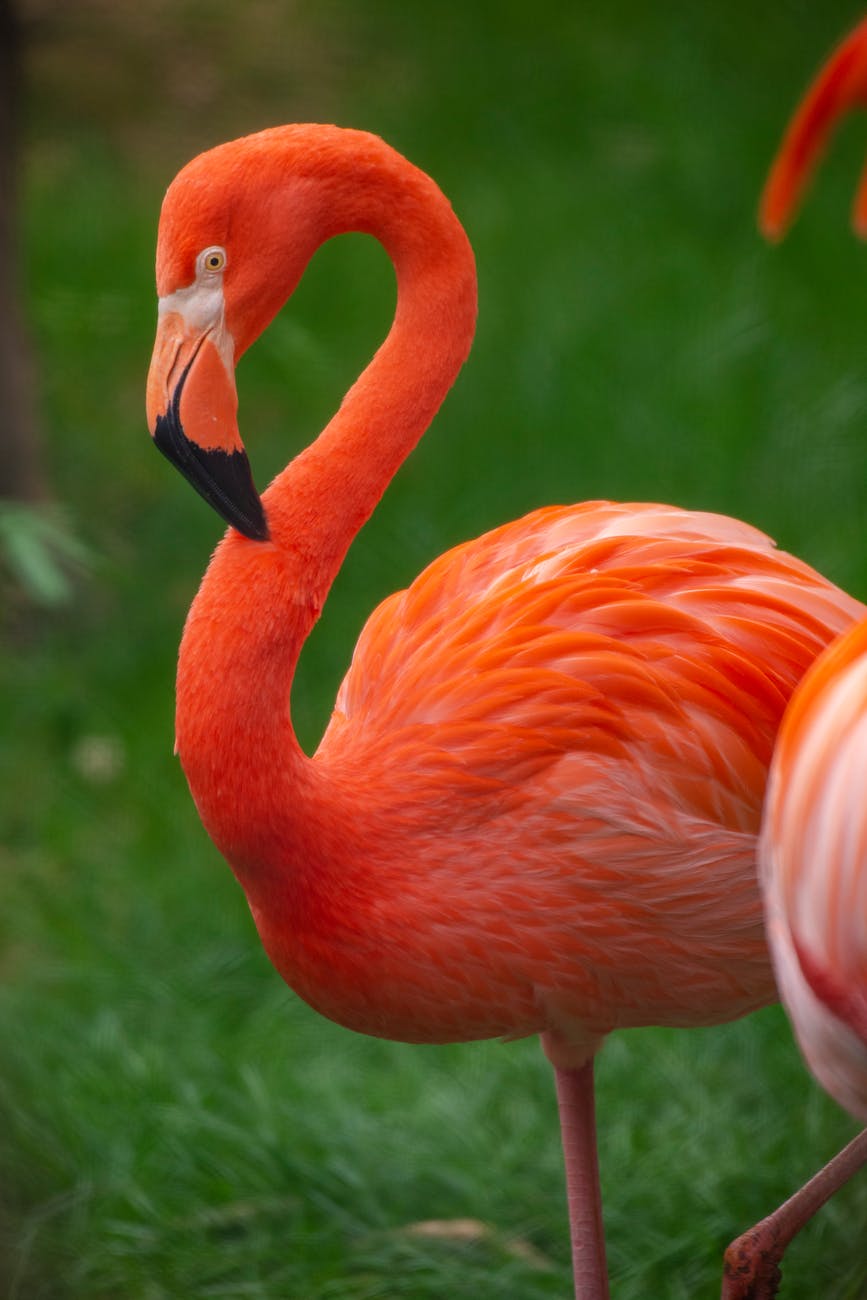
In a tragic turn of events, a devastating collision occurred between an Emirates aircraft and a flock of flamingos in the suburbs of Mumbai’s Ghatkopar. The aftermath revealed a grim scene of destruction, with a reported 39 flamingos found lifeless in various areas. The aircraft, inbound from Dubai and carrying over 300 passengers, reportedly collided with the majestic birds moments before its scheduled landing at Mumbai’s bustling airport.
The impact of the collision was profound, not only resulting in the loss of precious avian life but also causing damage to the aircraft itself. Despite the harrowing encounter, the flight, identified as EK-508, managed to execute a safe landing around 9:15 pm local time, much to the relief of those onboard. However, the return journey to Dubai was abruptly canceled late into the evening, as the plane underwent comprehensive inspection and assessment following the collision.
In the wake of this tragedy, the local Forest Department swiftly responded to distress calls from concerned residents, who had stumbled upon the scattered remains of the flamingos in the Ghatkopar area. The scene they encountered was heartrending, with the carcasses of the birds strewn across the landscape, their once vibrant plumage now marred by the severity of the impact. The gruesome sight bore testimony to the force of the collision, with fragments of wings, claws, and beaks littering the surroundings.
Efforts to ascertain the precise cause of the flamingos’ demise were promptly initiated, with the remains of the birds dispatched for autopsy. Meanwhile, a comprehensive probe was launched by both aviation and wildlife authorities to delve deeper into the sequence of events leading to the collision and to prevent such occurrences in the future.
This unfortunate incident has once again underscored the delicate balance between human activity and wildlife conservation, particularly in regions where natural habitats intersect with urban infrastructure. Mumbai, with its bustling metropolis juxtaposed against pockets of precious biodiversity, serves as a poignant reminder of the need for greater vigilance and proactive measures to protect our natural heritage.
As the investigation unfolds, questions may arise regarding the potential factors contributing to the collision, including the proximity of flight paths to avian migration routes and the presence of wetlands in the vicinity. Such inquiries may prompt discussions on the importance of implementing robust mitigation strategies and ensuring stringent adherence to aviation safety protocols to mitigate the risks posed to both wildlife and human lives.
In the midst of this tragedy, there lies an opportunity for reflection and action. The loss of these magnificent flamingos serves as a poignant reminder of our collective responsibility to coexist harmoniously with the diverse ecosystems that inhabit our planet. It is incumbent upon us to heed this wake-up call and redouble our efforts to safeguard the precious flora and fauna that share our world, lest we bear witness to further tragedies of this nature in the future.



 PARYAWARAN
Leave a comment