
Jammu and Kashmir, renowned for its picturesque landscapes, finds itself gripped in the clutches of an intense heat wave, with temperatures soaring across the region. According to the latest forecasts from the meteorological department, this blistering heat is expected to persist for the next six days, escalating concerns among residents and authorities alike.
A meteorological department official shed light on the prevailing weather conditions, emphasizing a continuation of the scorching heat over the plains of Jammu and Kashmir. From May 23rd to 28th, dry weather is anticipated, with isolated chances of thundershower activity. However, the overarching trend points towards clear skies and minimal precipitation during this period. Moving into the subsequent days, from May 29th to 31st, the weather is forecasted to be partly to generally cloudy, accompanied by light rain and thunder at isolated locations.
The official underscored the need for caution, urging people to mitigate heat exposure and ensure adequate fluid intake, especially vulnerable demographics such as the elderly, infants, and children. Nighttime temperatures are also witnessing an upward trend, further exacerbating the discomfort faced by residents across the region.
In specific locales, temperature records paint a stark picture of the prevailing heat wave. Srinagar, the summer capital of Jammu and Kashmir, recorded a low of 15.0°C, significantly above the seasonal average. Other areas such as Qazigund, Pahalgam, Kokernag, and Kupwara echoed similar patterns, with temperatures soaring above normal levels.
The situation is particularly dire in Srinagar, where the mercury soared to 31.6 degrees Celsius, marking the hottest day of the season thus far. Across various stations in Kashmir, including Qazigund, Pahalgam, and Gulmarg, the heat wave’s impact is palpable, with temperatures surpassing the 30-degree Celsius mark.
Jammu division, too, finds itself in the throes of sweltering heat, with towns like Banihal, Batote, Katra, and Bhaderwah experiencing temperatures above 30 degrees Celsius. Notably, Jammu recorded a scorching low of 29.1°C, significantly surpassing seasonal norms.
The meteorological department’s prognosis paints a grim picture, with forecasts suggesting a further intensification of the heat wave in the coming days. Dr. Mahender Singh, a senior scientist, cautioned that temperatures could breach the 44-degree Celsius mark by May 27th or 28th, exacerbating the already challenging conditions.
Reflecting on historical temperature data, the weatherman highlighted alarming trends, citing instances of record-breaking temperatures over the years. Notably, May 26th, 1984, witnessed an all-time high of 47.4 degrees Celsius in Jammu, underscoring the severity of the current heat wave.
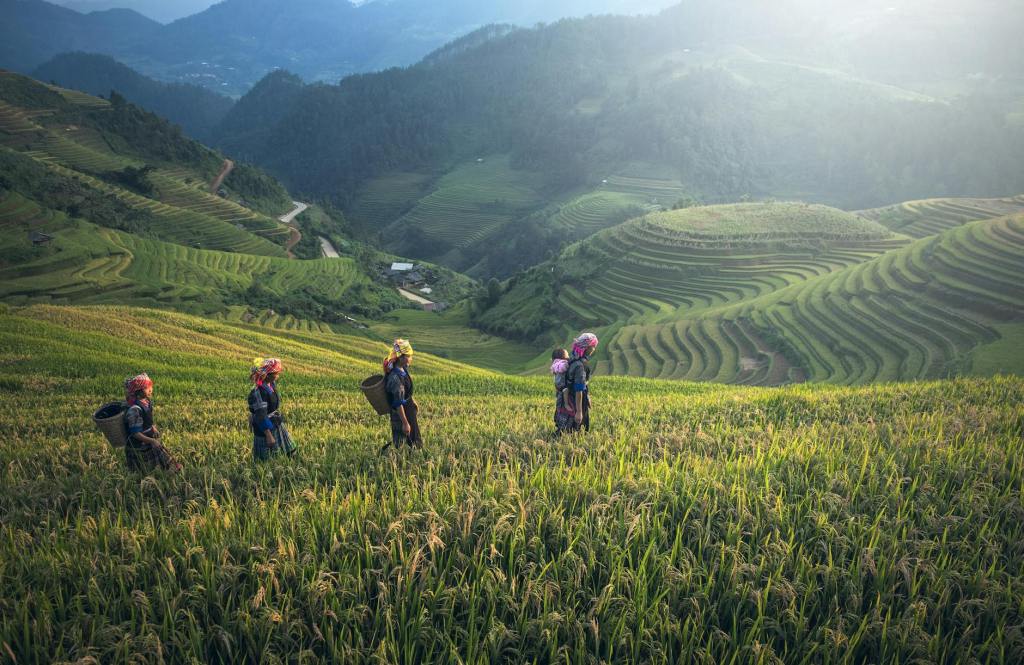
Amidst these challenging conditions, the agricultural sector faces significant challenges. The Agrometeorological division of the meteorological department issued advisories for farmers, urging proactive measures to mitigate the impact of the heat wave on crops and livestock.
For rice farmers, recommendations include nursery sowing of early transplanted rice varieties and soil preparation measures to enhance crop resilience. Similarly, vegetable farmers are advised to adopt irrigation practices tailored to crop requirements and implement pest control measures to safeguard against infestations.
Poultry and livestock farmers are also urged to prioritize animal welfare, ensuring access to clean drinking water and implementing cooling measures to alleviate heat stress. Vaccination protocols and dietary supplements are recommended to bolster animal health and resilience against the adverse effects of extreme heat.
As Jammu and Kashmir grapples with the sweltering heat, the meteorological department’s advisories and proactive measures from agricultural authorities offer a semblance of relief amidst challenging circumstances. However, with temperatures expected to soar further in the coming days, vigilance and preparedness remain paramount to mitigate the impact of the ongoing heat wave on both human and animal populations across the region.
You


 PARYAWARAN
Leave a comment