In a landmark assessment released on the International Day for Biodiversity, the International Union for Conservation of Nature (IUCN) has sounded a global alarm on the precarious state of mangrove ecosystems. The findings, marking the first comprehensive evaluation of mangrove health using the IUCN Red List of Ecosystems, paint a stark picture: more than half of the world’s mangrove ecosystems are at risk of collapse.
According to the assessment, a staggering 50% of mangrove ecosystems analyzed are classified as either Vulnerable, Endangered, or Critically Endangered. Even more alarming, nearly 20% of these vital ecosystems are deemed to be at high risk, signaling an imminent threat of collapse.
The recent global assessment of mangrove ecosystems has unveiled a dire situation for several regions, with some areas teetering on the brink of collapse. Among the most concerning findings is the identification of critically endangered mangrove ecosystems in South India, Sri Lanka, the Maldives, and the North West Atlantic. Additionally, several other regions, including the Agulhas, Central Pacific, East Coral Triangle, east central and southeast Australian shelf, Red Sea, Gulf of Aden, and South China Sea, have been classified as endangered.
These classifications underscore the urgent need for targeted conservation efforts to prevent the irreversible loss of these vital ecosystems. Mangroves, spanning approximately 150,000 square kilometers globally, play a crucial role in coastal protection, carbon storage, and supporting biodiversity. Despite covering only about 15% of the world’s coastlines, mangroves are disproportionately important for coastal communities and marine ecosystems.
The critical status of mangrove ecosystems in South Asia and beyond is a wake-up call for action at both local and global levels. In regions like South India, Sri Lanka, and the Maldives, mangroves are not only hubs of biodiversity but also provide essential services such as coastal protection and fisheries support. Their loss would have devastating consequences for both local livelihoods and global biodiversity.
In the North West Atlantic and other endangered regions, mangroves face similar threats, including deforestation, development, pollution, and the impacts of climate change. Rising sea levels and intensified storms pose particularly acute risks, exacerbating the vulnerability of these already endangered ecosystems.
To address these challenges, concerted efforts are needed to enhance mangrove conservation and restoration initiatives. This includes implementing strict regulations to curb deforestation and pollution, promoting sustainable development practices, and empowering local communities to become stewards of their mangrove habitats.
Furthermore, international collaboration is essential to support the conservation of mangrove ecosystems across borders. Initiatives such as the Mangrove Breakthrough, aimed at securing the future of 150,000 square kilometers of mangroves globally, highlight the importance of collective action in safeguarding these critical habitats.
The findings of the global mangrove assessment serve as a call to action for policymakers, conservationists, and communities worldwide. By prioritizing the protection and restoration of mangrove ecosystems, we can not only preserve biodiversity but also mitigate the impacts of climate change and safeguard the livelihoods of millions of people who depend on these invaluable coastal habitats.
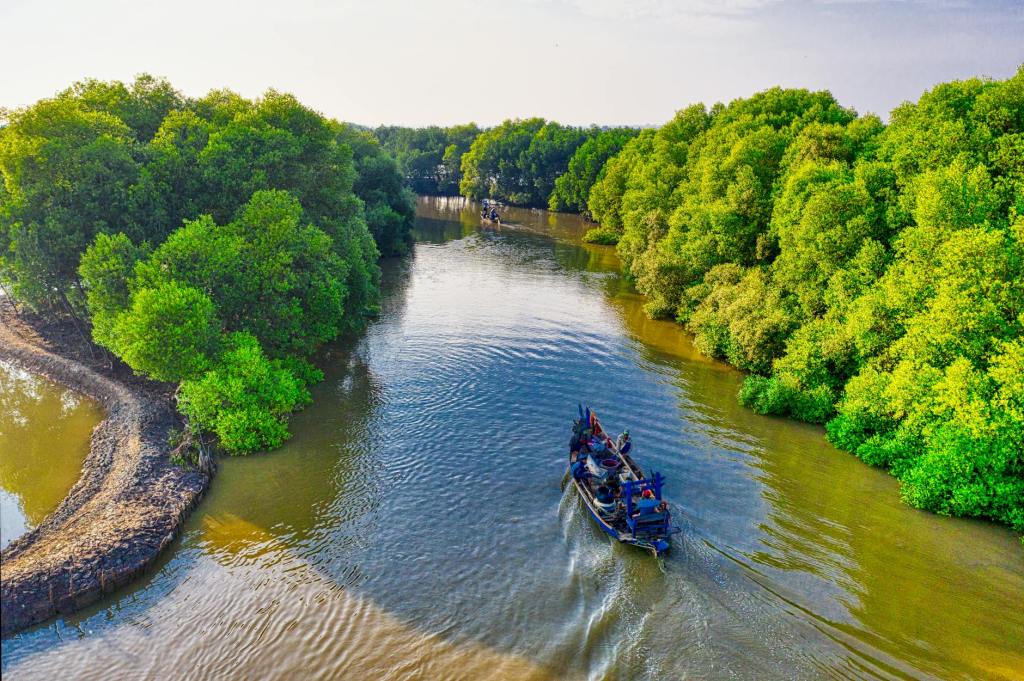
Human Activity and Climate Change Push Over Half of World’s Mangroves to Brink of Collapse
Mangrove ecosystems are vital, sequestering carbon, supporting livelihoods, and shielding communities from storms.
2–3 minutes

 PARYAWARAN
Leave a comment