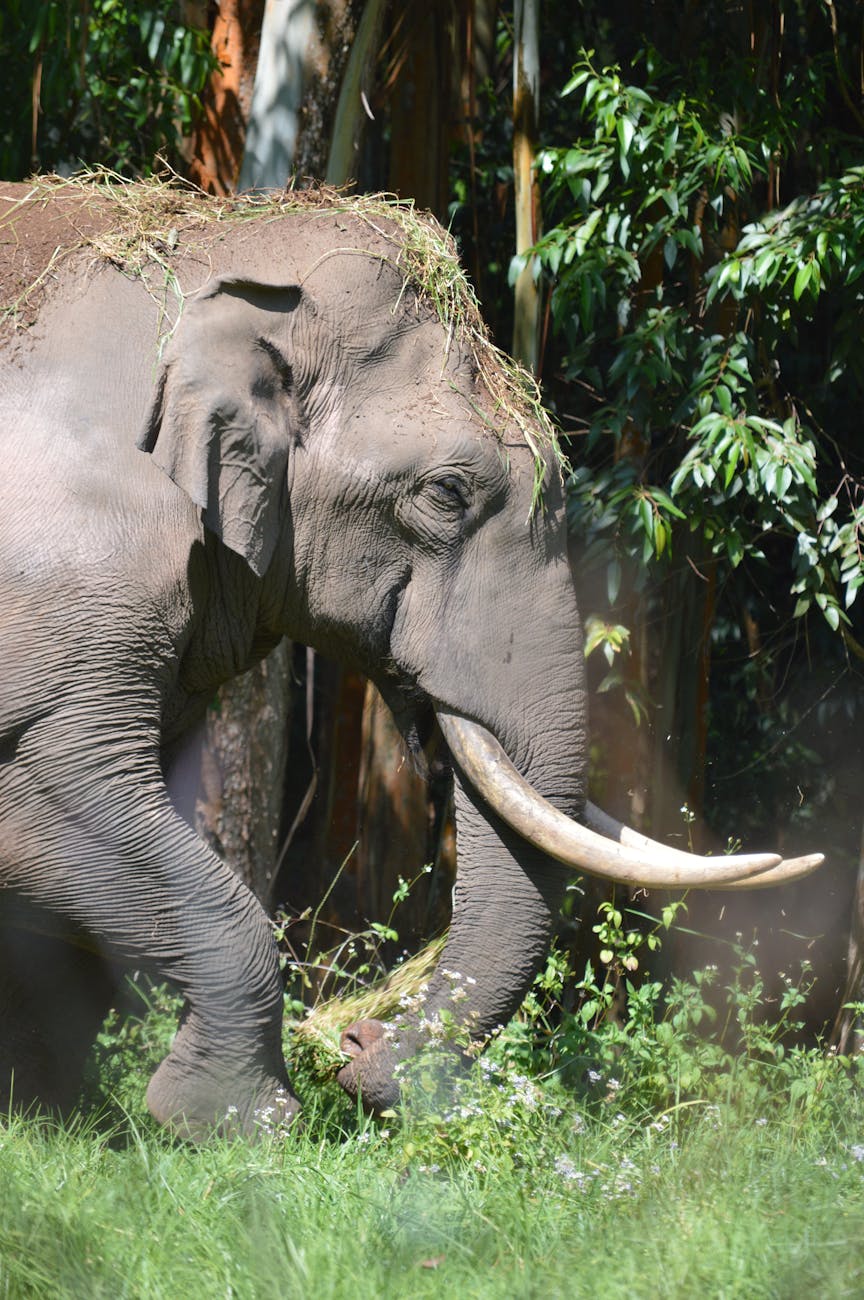
Following an intensive three-day operation, the All Odisha Elephant Census for the year 2024 has concluded, marking a significant milestone in the state’s ongoing efforts to monitor and conserve its elephant population. The comprehensive headcount, conducted from May 22 to May 24, utilized a variety of methodologies, including machan observations, direct sightings, drone footage, and thermal imaging, to provide a comprehensive assessment of elephant numbers and distribution across the region.
The culmination of this ambitious endeavor has been met with sincere appreciation for the dedicated efforts of the census team, whose exemplary coordination ensured the smooth execution of this vital exercise. With the data collection phase now complete, authorities anticipate that the results of the census will be unveiled to the public within the next two weeks, offering valuable insights into the current status of Odisha’s elephant population.
Preliminary findings from the census have revealed compelling patterns regarding the distribution of elephants within the state. Elephants were detected in 46 out of 51 divisions, underscoring their widespread presence across Odisha. Notably, districts such as Malkangiri, Koraput, Puri, Kendrapara, and Jagatsinghpur were identified as exceptions, where elephant sightings were notably absent. However, the remaining 25 districts reported the continued presence of elephants within their territories, highlighting the importance of comprehensive conservation efforts throughout the state.
The significance of the elephant census cannot be overstated, as it serves as a critical tool for informing conservation strategies and policy decisions. Conducted once every two years, these assessments enable the government to gauge the effectiveness of existing protection measures and identify areas requiring additional intervention. The last census, conducted in 2017, recorded a total of 1,976 elephants in the state, representing a marginal increase from previous figures. However, the cancellation of the 2019 census due to the COVID-19 pandemic left a significant gap in data collection, necessitating the urgent need for the 2024 census to provide updated insights into population trends.
In addition to monitoring overall population numbers, the census also plays a crucial role in assessing the impact of various threats on elephant survival. Alarmingly, the state has witnessed a concerning trend of elephant fatalities, with close to 700 elephants lost over the past eight years. Factors such as poaching, poisoning, electrocution, road accidents, and train collisions continue to pose significant risks to elephant populations, highlighting the urgent need for enhanced protection measures and conservation efforts.
Against this backdrop, the Odisha government has reaffirmed its commitment to safeguarding the state’s elephants and their habitats. The deployment of 1,136 machans, alongside other infrastructure provisions, underscores the government’s dedication to facilitating effective data collection during the census process. Moreover, rigorous training programs conducted at all levels have equipped census teams with the necessary skills and expertise to conduct thorough and accurate assessments.
Looking ahead, the data collected during the census will undergo meticulous analysis at various levels, including range, division, and circle, before culminating in a comprehensive assessment at the headquarters. This detailed examination will enable authorities to derive an accurate and reliable estimate of the elephant population, providing a foundation for evidence-based conservation strategies.
The census initiative comes at a critical juncture for elephant conservation in Odisha, with escalating threats necessitating proactive measures to safeguard these iconic creatures. Despite challenges such as cyclones and pandemics, the government’s unwavering commitment to conservation underscores the importance of prioritizing wildlife protection in the face of adversity.




 PARYAWARAN
Leave a comment