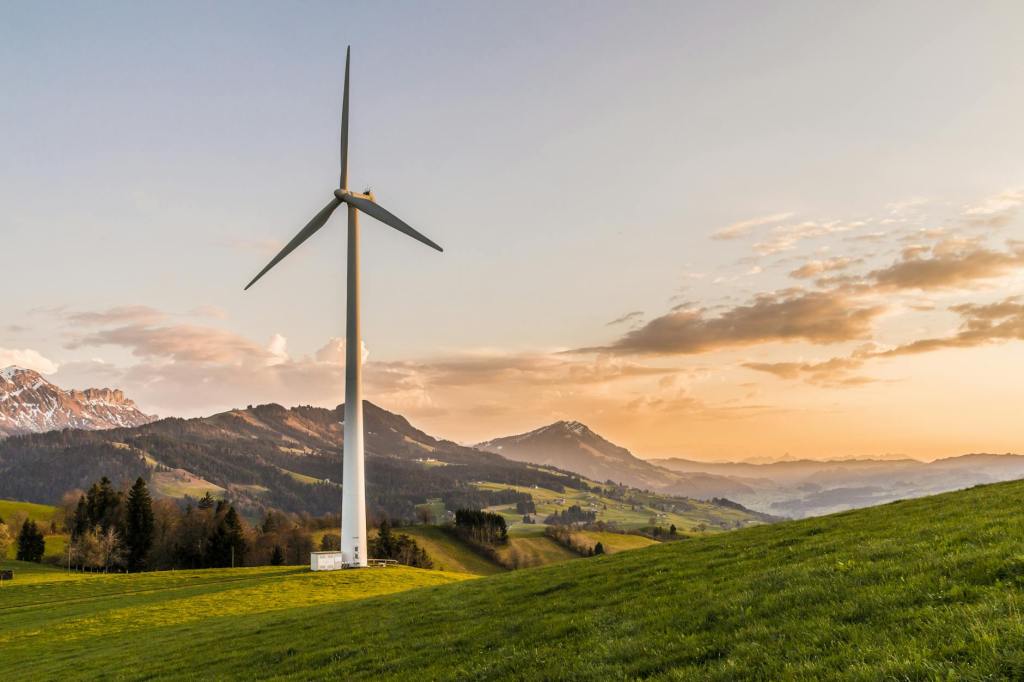
In a decisive move aimed at bolstering renewable energy infrastructure across rural America, the Biden administration has unveiled a $375 million funding initiative under the Inflation Reduction Act. This substantial investment marks a historic commitment to enhancing clean energy access and sustainability in traditionally underserved regions, echoing the ambitious spirit of Franklin D. Roosevelt’s New Deal era efforts.
A cornerstone of this initiative is the allocation of $275 million through the Powering Affordable Clean Energy (PACE) program. Designed to spur clean electrification in rural areas, including states like Alaska, Arizona, Kentucky, and Nebraska, PACE aims to modernize energy systems while reducing carbon footprints. This funding injection comes at a critical time when climate resilience and energy efficiency are paramount concerns nationwide.
Additionally, the U.S. Department of Agriculture (USDA) will channel $100 million in grants and loans via the Rural Energy for America Program (REAP) across 39 states and Puerto Rico. This funding will support a variety of renewable energy projects, ranging from solar installations to energy-efficient upgrades in agricultural operations, thereby enhancing sustainability and economic stability in rural communities.
Noteworthy among the funded projects is a $100 million allocation for battery storage systems in Alaska, addressing the unique energy needs of remote areas prone to harsh weather conditions. Furthermore, an $82,000 grant has been earmarked for an energy-efficient grain dryer in New York, underscoring the diverse applications of renewable energy technologies in agricultural settings.
According to administration officials, this $375 million initiative represents the most substantial federal investment in rural electrification since the New Deal era of the 1930s. By prioritizing rural renewable energy projects, the Biden administration aims not only to combat climate change but also to bolster the economic resilience of rural communities by modernizing energy infrastructure and promoting sustainable development.
Supporters of the initiative argue that investing in rural renewable energy not only mitigates greenhouse gas emissions but also creates jobs and enhances energy security in remote areas often reliant on fossil fuels. Proponents emphasize that transitioning to renewable energy sources aligns with broader efforts to reduce the nation’s carbon footprint and promote environmental sustainability.
Critics, however, have raised concerns about the financial feasibility and logistical challenges of implementing large-scale renewable energy projects in rural America. Some skeptics question the long-term economic viability of these investments, particularly in regions where energy demands are sporadic or seasonal.
Despite these challenges, the Biden administration remains steadfast in its commitment to advancing clean energy solutions across the country. By leveraging federal resources through initiatives like PACE and REAP, policymakers aim to bridge gaps in energy access while fostering innovation in rural energy markets.
The $375 million investment comes on the heels of President Biden’s broader climate agenda, which includes ambitious targets for reducing greenhouse gas emissions and accelerating the transition to a clean energy economy. Advocates argue that such initiatives are essential steps towards achieving net-zero emissions by mid-century, as outlined in the administration’s climate action plan.
In addition to supporting renewable energy projects, the Biden administration has pledged to enhance technical assistance and training programs for rural communities seeking to adopt clean energy solutions. By equipping local stakeholders with the tools and expertise needed to navigate the complexities of renewable energy deployment, policymakers hope to foster inclusive economic growth and environmental stewardship.
“This funding represents a critical opportunity for rural communities to lead in the clean energy revolution,” stated a spokesperson from the USDA. “By investing in renewable energy technologies, we are not only creating jobs but also laying the groundwork for a more sustainable future.”
Looking ahead, stakeholders anticipate that the $375 million investment will catalyze additional private sector investments in rural renewable energy projects, thereby amplifying the impact of federal funding. By leveraging public-private partnerships and innovative financing mechanisms, policymakers aim to unlock new opportunities for economic growth and environmental sustainability in rural America.
As the Biden administration continues to implement its climate and energy agenda, the outcomes of these investments will be closely monitored for their effectiveness in reducing greenhouse gas emissions, enhancing energy resilience, and fostering equitable economic development across rural communities.




 PARYAWARAN
Leave a comment