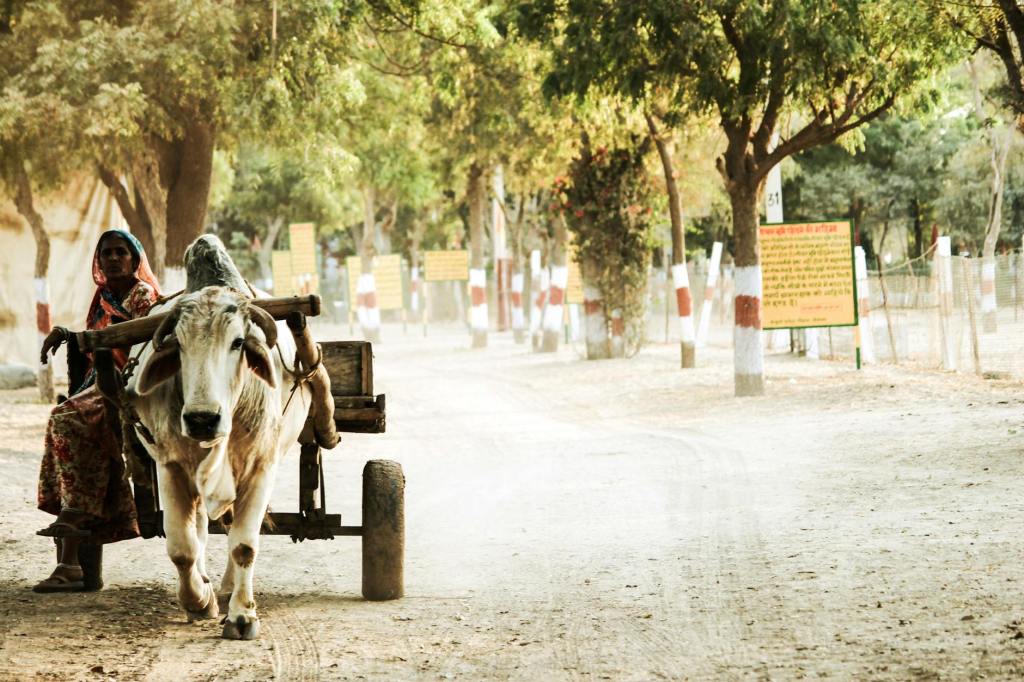
India’s sprawling rural landscape, home to a significant portion of the population and the backbone of its agrarian economy, faces an increasingly precarious future as the impacts of climate change escalate. Prime Minister Narendra Modi’s administration, while lauded for its efforts in promoting renewable energy, particularly solar power, is confronted with the daunting task of reconciling economic growth with environmental sustainability amidst a rapidly changing climate.
The vulnerability of India’s rural population to the impacts of climate change is starkly evident, with erratic weather patterns, prolonged droughts, and extreme heatwaves threatening agricultural livelihoods and exacerbating existing socio-economic disparities. For millions of farmers dependent on rain-fed agriculture, the unpredictability of weather poses a formidable challenge, often resulting in crop failures, food insecurity, and mounting debt burdens.
Prime Minister Modi’s administration has previously championed renewable energy as a key component of India’s energy transition, setting ambitious targets for expanding solar power capacity and reducing carbon emissions. Initiatives such as the International Solar Alliance and the ambitious target of achieving 450 gigawatts of renewable energy capacity by 2030 have garnered international acclaim and positioned India as a global leader in clean energy adoption.
However, despite these commendable efforts, the scale and urgency of the climate crisis demand more robust policies and effective implementation to mitigate the adverse impacts on rural communities and ensure a sustainable future for all. While the promotion of renewable energy is a step in the right direction, the transition away from fossil fuels must be accelerated to meet the growing energy demands of a rapidly urbanizing population and reduce reliance on environmentally destructive practices.
Moreover, the Modi administration must prioritize measures to enhance the resilience of vulnerable communities, particularly those dependent on agriculture, to the impacts of climate change. Investments in climate-smart agricultural practices, water management systems, and disaster preparedness infrastructure are essential to build adaptive capacity and mitigate the risks posed by extreme weather events.
Furthermore, addressing the root causes of rural distress, including land degradation, deforestation, and inequitable access to resources, is crucial to fostering sustainable development and ensuring the well-being of rural populations. The implementation of comprehensive policies that integrate climate adaptation and mitigation strategies with broader development objectives is imperative to address the complex interplay of socio-economic and environmental challenges facing India’s rural communities.
As India grapples with the dual imperatives of economic growth and environmental sustainability, the role of Prime Minister Modi’s administration in shaping the nation’s response to the climate crisis cannot be overstated. While progress has been made in promoting renewable energy, much more needs to be done to safeguard the livelihoods of India’s vast rural population and chart a course towards a more resilient and sustainable future. In this critical moment, bold and decisive action is needed to confront the existential threat posed by climate change and ensure the prosperity and well-being of all Indians, now and for generations to come.
You




 PARYAWARAN
Leave a comment