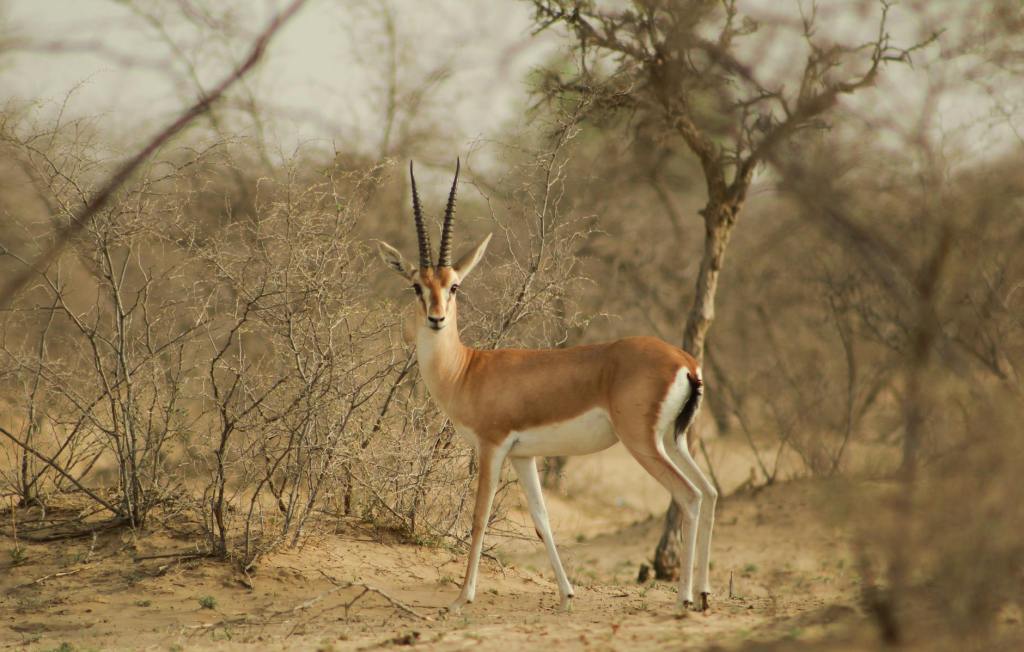
The recent wildlife census at the Desert National Park (DNP) in Jaisalmer and Barmer districts has brought forth promising statistics, indicating a surge in the population of critically endangered species alongside a diverse array of wildlife. Spearheaded by the forest department, the census not only reaffirms the significance of conservation efforts but also highlights nature’s resilience in the face of adversities.
As per the data unveiled by the forest department, one of the standout findings was the notable increase in the number of vultures, including rare species, within the park. The vulture count soared to 167 from 142 in 2022, indicating a positive trend in their population. Among these, 25 Eurasian Griffon vultures were sighted at the Junapatrasar hills in Barmer, a marked contrast from the solitary sighting recorded in the previous census. Furthermore, the sighting of nine Red Headed vultures in Jaisalmer holds particular significance, given the alarming decline in their numbers over the past few decades.
The census also highlighted a rise in the populations of other species, signaling a flourishing ecosystem within the park. The number of chinkaras increased from 1,355 in 2022 to 1,548, while desert cats and desert foxes witnessed an increase from 26 to 44 and 101 to 157, respectively. This upsurge in population underscores the efficacy of conservation efforts and the preservation of natural habitats within the park.
Conducted using the water hole method, the census recorded a total of 6,398 wild animals and birds within the park, compared to 4,541 in 2022. The significant increase in the population of peacocks, with 2,848 sightings compared to 1,914 in the previous census, is particularly noteworthy. Moreover, the numbers of jackals, foxes, neelgai, blackbuck, saras, and sand grouse also displayed a positive trajectory, indicating a thriving ecosystem.
In a bid to further fortify conservation endeavors, the forest department is in the process of declaring 100 hectares of land on Juna hills in Barmer as a protected area.
The success of the wildlife census underscores the importance of collaborative efforts between government agencies, conservationists, and local communities in preserving biodiversity. It serves as a poignant reminder of the urgent need to continue investing in conservation measures and sustainable practices to safeguard our natural heritage for future generations.




 PARYAWARAN
Leave a comment