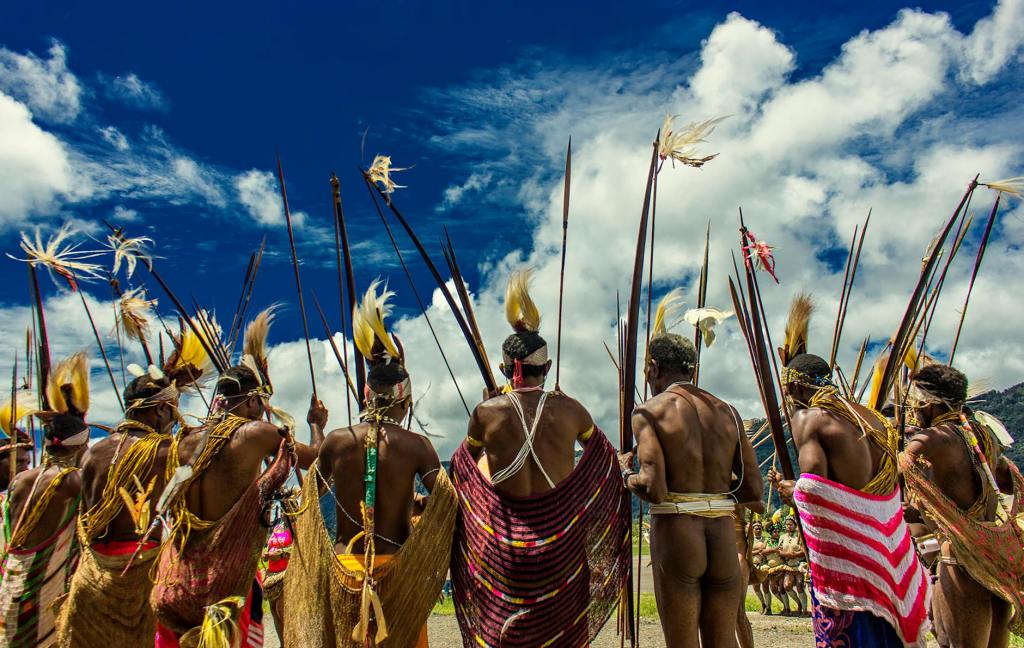
In the face of escalating climate change, a silent but profound casualty emerges: indigenous languages, guardians of ecological wisdom accumulated over centuries. With approximately 7,000 languages spoken globally, over 4,000 belong to indigenous communities, serving as repositories of invaluable environmental knowledge. Yet, as extreme weather events intensify and habitats shift, indigenous peoples find themselves displaced, severing ties to ancestral lands and linguistic heritage.
Recent expeditions underscore the indispensable role of indigenous knowledge in ecological preservation. In Papua New Guinea, collaboration between local communities and scientists led to the rediscovery of the black-naped pheasant pigeon, a species long thought extinct. Similarly, Brazil’s linguistic diversity reveals invaluable insights into its rich biodiversity.
However, the climate crisis threatens to erase these linguistic legacies. Rising sea levels, extreme weather, and ecosystem disruptions drive mass migrations reminiscent of historical colonialism, imperiling indigenous cultures and their languages.
For the Sámi people of the Arctic, climate change reshapes language and traditional practices. As the region warms, new words like “dálkkádatrievdan” (climate change) are added to their lexicon, reflecting the evolving environmental landscape. Yet, while adaptation is crucial, the loss of traditional terminology jeopardizes the transmission of ancestral knowledge to future generations.
In response, initiatives like the UN’s “Decade of Indigenous Languages” aim to preserve linguistic diversity. Indigenous communities worldwide race to document oral histories and compile glossaries of environmental terms. In Alaska, the Gwich’in people craft a lexicon to elucidate climate change’s impact on ecosystems, bridging past and present environmental realities.
Yet, preservation efforts face significant challenges. Exploitation of indigenous knowledge by external entities without proper credit or compensation remains a pervasive threat. Consequently, many communities are cautious about sharing their insights, emphasizing the need for equitable partnerships with Western scientists.
In Tuvalu, a nation at risk of submersion within a century, innovative solutions emerge. Efforts to create a digital replica in the metaverse aim to safeguard cultural heritage from rising seas. Collaborations between indigenous groups and scientists yield promising conservation outcomes, yet equitable participation and acknowledgment of indigenous contributions are paramount.
The loss of indigenous languages entails more than linguistic decline; it signifies the erosion of invaluable ecological knowledge crucial for addressing the contemporary environmental crisis. As climate change accelerates, preserving indigenous languages becomes an urgent imperative, safeguarding not only linguistic diversity but also humanity’s collective ecological wisdom.

 PARYAWARAN
Leave a comment