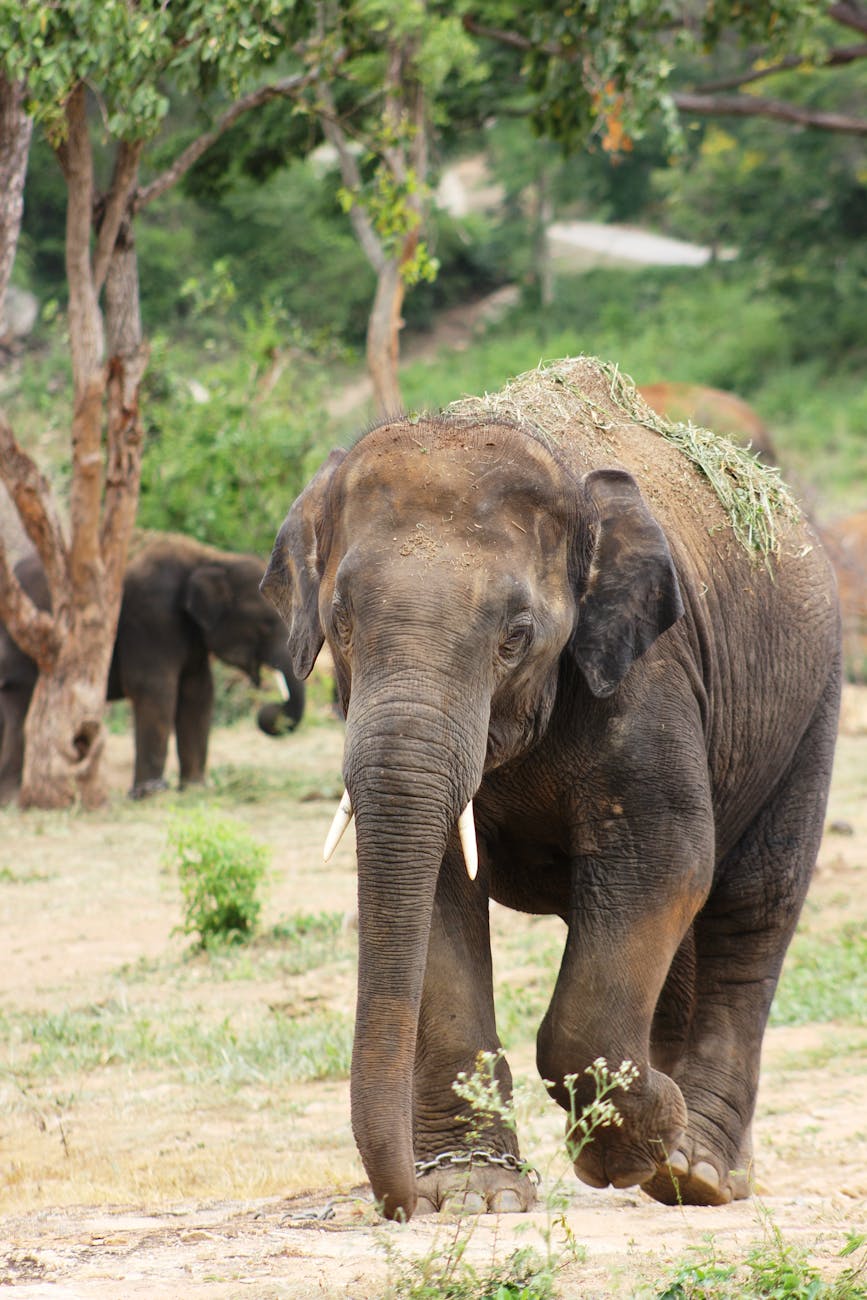
In a significant development addressing the alarming rise in elephant deaths, the Karnataka High Court has taken suo-motu cognizance of a recent newspaper report shedding light on the recurrent incidents of elephant fatalities attributed to electrocution and other unnatural causes within the state. The division bench comprising Chief Justice N V Anjaria and Justice K V Aravind has deemed this issue a matter of grave concern, emphasizing the need for urgent action to safeguard the lives of these majestic creatures.
The catalyst for this judicial intervention was the demise of Ashwathama, a notable elephant whose tragic demise due to electrocution in Mysuru has underscored the apparent negligence on the part of authorities. This incident, coupled with other reported deaths in Chikkamagaluru and Madikeri, has propelled the court into action, prompting it to invoke its suo-motu powers under Article 226 of the Constitution.
In its directive, the court has summoned key authorities, including the Ministry of Environment and Forest, the Karnataka Chief Secretary, and the State Secretary of the Department of Environment and Forest, as respondents. These entities have been tasked with furnishing comprehensive details pertaining to the following crucial aspects:
Safety Measures: The court seeks an account of the steps and measures implemented to ensure the safety and well-being of elephants and other wildlife species across Karnataka.
Preventive Measures: In light of the distressing recurrence of elephant deaths, the authorities are mandated to outline proposed strategies aimed at curbing and preventing such incidents of unnatural demise.
Statutory Framework: The court demands clarity on the statutory machinery activated by the concerned authorities to address issues pertaining to wildlife conservation and protection.
Safety Mechanisms: An elucidation of the mechanisms employed to ensure the safety of wild elephants within sanctuary areas as well as outside their designated habitats is sought by the court.
Accountability: The authorities are required to delineate the protocol for attributing liability to officers in the event of wildlife fatalities, thereby ensuring accountability for lapses leading to such tragedies.
This proactive judicial intervention underscores the judiciary’s commitment to upholding the rights and welfare of wildlife, particularly endangered species like elephants, which hold immense ecological significance. By summoning pertinent authorities and demanding accountability, the Karnataka High Court aims to catalyze tangible action towards safeguarding the lives of these sentient beings and preserving the biodiversity of the region.
The matter, now under the purview of the court, is scheduled for further deliberation on July 2nd. As stakeholders await the outcome of these proceedings, the spotlight remains firmly fixed on the imperative of fostering coexistence between human activities and the conservation of wildlife habitats—a fundamental tenet of sustainable development in the modern era.
In the face of mounting environmental challenges, the judiciary’s proactive stance serves as a beacon of hope, signaling a collective resolve to protect and nurture the rich tapestry of life that thrives within Karnataka’s natural landscapes. Only through concerted efforts and unwavering commitment can the state aspire to fulfill its obligation to safeguard its ecological heritage for generations to come.




 PARYAWARAN
Leave a comment