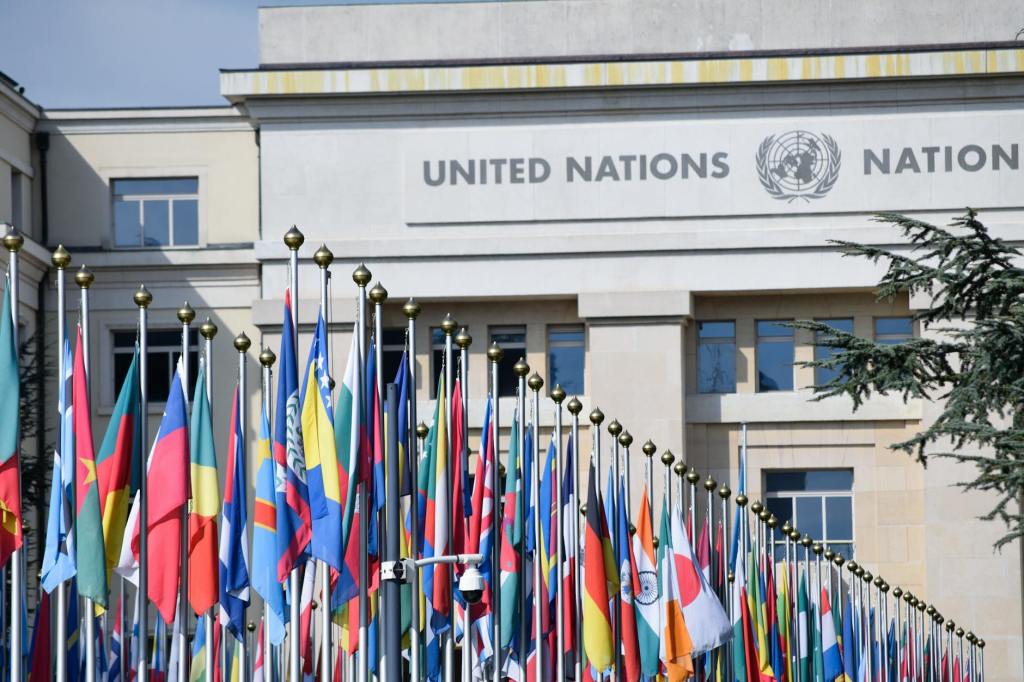
In 2015, the United Nations introduced the Sustainable Development Goals (SDGs), a comprehensive framework comprising 17 interconnected goals and 169 targets aimed at addressing global challenges across economic prosperity, social well-being, and environmental protection. These goals represent a monumental effort to foster sustainable development globally, guided by the principle of leaving no one behind.
Interconnected Goals for a Balanced Future
Each SDG addresses a crucial facet of human development. For instance, Goals like ending poverty (Goal 1) and hunger (Goal 2) are not just about meeting basic needs but also about fostering economic opportunities and ensuring food security. Similarly, ensuring access to quality education (Goal 4) not only empowers individuals but also drives innovation and economic growth, contributing to reducing inequalities (Goal 10) and promoting inclusive societies (Goal 16).
The interconnected nature of the goals underscores the holistic approach needed to achieve sustainable development. Progress in one area often supports advancements in others, illustrating the synergy required to create a balanced and resilient future.
A Call for Global Partnership
Central to the success of the SDGs is the principle of global partnership and cooperation. Recognizing that no single country or entity can tackle these complex challenges alone, the SDGs emphasize inclusive partnerships between governments, civil society, businesses, and international organizations. These partnerships are crucial for mobilizing resources, sharing knowledge, and leveraging expertise to implement effective solutions.
Developed nations play a pivotal role by providing financial aid, technology transfer, and capacity building to support developing countries in achieving the SDGs. Meanwhile, emerging economies and developing nations contribute by adopting sustainable practices, fostering innovation, and addressing their unique development challenges in alignment with the SDGs.
Integrating Economic, Social, and Environmental Dimensions
Achieving sustainable development requires a balanced approach that integrates economic growth, social inclusion, and environmental stewardship. The SDGs harmonize these dimensions to ensure that development efforts are not only equitable and resilient but also environmentally sustainable over the long term.
For instance, promoting sustainable consumption and production patterns (Goal 12) helps mitigate environmental degradation while supporting economic growth. Meanwhile, efforts to conserve marine and terrestrial ecosystems (Goals 14 and 15) and combat climate change (Goal 13) are essential for safeguarding biodiversity and securing a stable climate for future generations.
Towards 2030 and Beyond
As the world approaches the target year of 2030 set for achieving the SDGs, significant progress has been made in some areas. However, the COVID-19 pandemic has exposed and exacerbated existing inequalities and vulnerabilities, underscoring the urgency for accelerated global action.
Achieving the SDGs demands political will, innovative approaches, and sustained investments in people, planet, and prosperity. It requires accountability, transparency, and meaningful engagement of all stakeholders, especially marginalized and vulnerable groups whose voices must be prioritized and needs addressed.
The SDGs represent a universal call to action, urging collective efforts towards a sustainable, inclusive, and resilient future. By committing to transformative change and harnessing the power of global cooperation, we can build a world where prosperity, equality, and environmental sustainability thrive for generations to come. Achieving this vision requires unwavering dedication and collaboration across borders and sectors, ensuring that no one is left behind in our shared pursuit of a better world.




 PARYAWARAN
Leave a comment