
Hunting wildlife with traps is a persistent issue globally, often driven by illegal poaching activities targeting almost all wildlife, especially for bush meat.
Traps and snares are commonly used because they are relatively inexpensive and can be deployed over large areas with minimal effort. These devices are designed to ensnare animals, causing them to suffer injuries or die from strangulation or starvation. In addition to traditional traps, there is also a disturbing trend of using live electric wires set by villagers in rural areas to deter wildlife from encroaching on human settlements. However, these wires often lead to unintended deaths of both wildlife and humans, highlighting the severe consequences of such indiscriminate methods.
Efforts to combat hunting wildlife with traps have shown some success in the Telangana State of India. In the past seven months, forest officials across different regions of the Telangana state have confiscated 3,810 traps and snares designed for poaching and killing wildlife, along with 4,872 kg of related materials. This action follows the launch of the ‘Catch the trap’ initiative on December 1, 2023, aimed at curbing illegal wildlife activities.
The initiative has shown promising results, with only three reported cases of animal electrocution since its inception. This marks a significant reduction compared to previous years: 18 cases in 2021, 15 cases in 2022, and 21 cases in 2023.
Recently, the seized materials underwent inspection and were subsequently transported to Mahavir Harina Vanasthali National Park for documentation. The move aims to prevent the reuse or recycling of confiscated items, ensuring they do not pose further risks to wildlife.
The issue of villagers in rural areas setting up live electric wires to deter wild animals has also drawn attention due to its lethal consequences. Incidents involving such wires have resulted in both wildlife and human fatalities. For example, in January 2023, a villager in Rajanna Sircilla district tragically lost his life after coming into contact with a live wire intended for trapping wildlife.
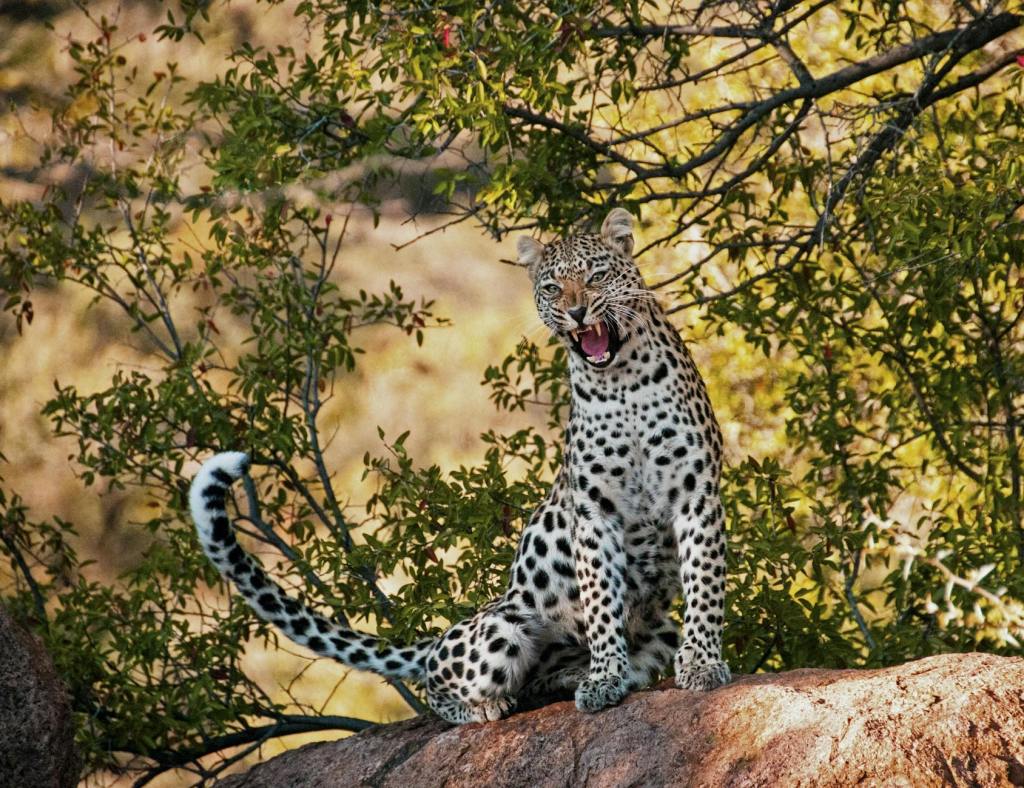
From April 1, 2023, to March 31, 2024, reports indicate the deaths of two tigers, three leopards, two sloth bears, two Indian bison, and 143 other herbivores and mammals due to natural causes, accidents, or illegal hunting.
The impact of hunting wildlife with traps extends beyond immediate animal casualties. It disrupts ecological balances by depleting populations of key species, affecting biodiversity, and threatening the survival of endangered animals. For example, the deaths of apex predators like tigers and leopards can have cascading effects on entire ecosystems, leading to imbalances in prey populations and vegetation dynamics.



 PARYAWARAN
Leave a comment