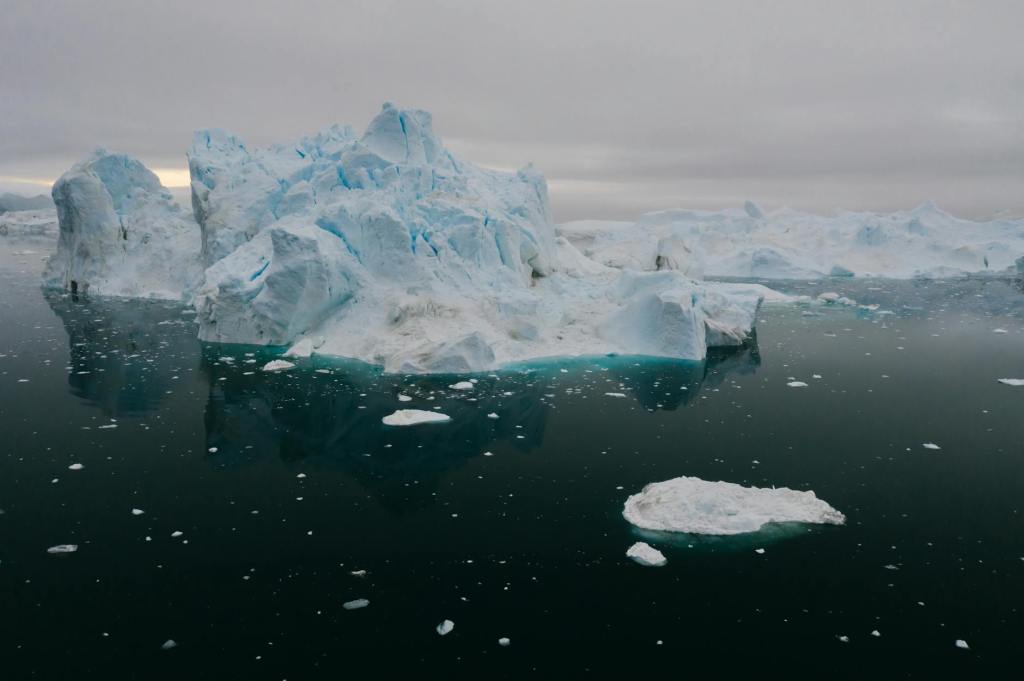
An abandoned Australian research station in Antarctica has become a focal point of environmental concern, with reports indicating significant pollution risks to the delicate Antarctic ecosystem. The station, located approximately 3,000 kilometers from Australia’s coast, has raised alarms due to its deteriorating infrastructure and hazardous waste deposits.
Originally established by the United States in 1957 and later transferred to Australian management, the station ceased operations in 1969. Since then, the site has been largely neglected, leaving behind a legacy of environmental hazards that threaten local wildlife and marine life.
Antarctica, often revered as one of the last pristine wildernesses on Earth, is home to unique species and fragile ecosystems highly vulnerable to human-induced pollution. The accumulation of contaminants from the station poses a severe threat to the Antarctic food web, potentially affecting krill, seals, whales, and other marine organisms crucial to the region’s biodiversity.
Scientists and environmentalists have long warned about the risks associated with abandoned research stations in Antarctica. The freezing temperatures that preserve much of the waste during colder seasons give rise to concerns that warming temperatures could trigger sudden releases of pollutants into the environment.
A recent inspection conducted by a French team highlighted alarming findings, underscoring the urgent need for remedial action. The inspection report, disclosed following the Antarctic Treaty Consultative Meeting in late May, described a scene of neglect and environmental peril. Among the primary concerns are rusted fuel drums, asbestos-laden structures, and various forms of waste including batteries and animal remains scattered across the 33-hectare site.
Of particular concern are reports of oil slicks observed in the vicinity, signaling potential contamination of nearby marine ecosystems. The inspection team noted sightings of oil slicks and drifting drums at sea, indicating that pollutants from the station are already impacting coastal waters and beyond.
In response to growing concerns, efforts have been initiated to assess the extent of contamination and formulate a comprehensive cleanup strategy. Resources, including the deployment of drones and ground-penetrating radar, have been allocated to survey and map out the buried waste and potential pollutant hotspots at the station.
Efforts have garnered cautious praise from international observers, including those who conducted recent inspections. However, experts emphasize the complexity of cleanup operations in such a remote and harsh environment. They stress the importance of meticulous planning and adherence to strict environmental standards to prevent inadvertently exacerbating the pollution problem during remediation efforts, emphasizing the importance of careful planning and strict adherence to environmental standards to prevent any inadvertent exacerbation of the pollution issue during the cleanup process.
The environmental challenges posed by the abandoned station underscore broader issues facing Antarctica as a continent dedicated to peaceful scientific research and environmental protection under the Antarctic Treaty System. The treaty, which designates Antarctica as a natural reserve devoted to peace and science, obligates signatory nations to protect the region’s fragile ecosystem and mitigate human impacts.
Moving forward, the international community, including Antarctic Treaty signatories and environmental organizations, will closely monitor cleanup efforts at the station. The success of these efforts will not only determine the fate of a contaminated site but also set a precedent for future environmental stewardship in Antarctica.
The international community’s commitment to preserving Antarctica’s unique biodiversity and ecological balance hinges on swift and decisive action to remediate the environmental legacy left behind by human activities in this remote and vulnerable region.




 PARYAWARAN
Leave a comment