In a major crackdown on illegal wildlife trade, authorities in Surin district of Thailand, successfully conducted a sting operation that resulted in the arrest of two suspects and the confiscation of two tiger cubs and nearly 100 kilograms of elephant tusks. The operation, coordinated by law enforcement agencies and local police, targeted suspects involved in the illicit trade of protected animals.
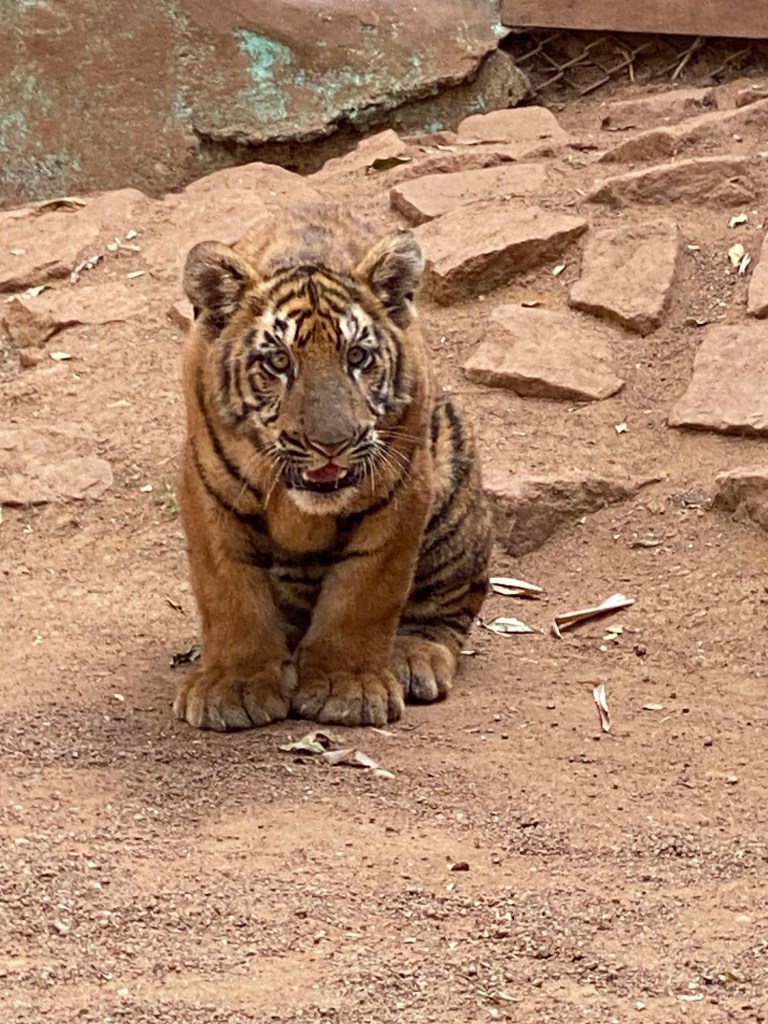
Acting on gathered intelligence and evidence, authorities moved to purchase the tiger cubs for 350,000 baht. The cubs, a male and a female, were found confined together in poor conditions, showing signs of dehydration and suffering from diarrhea. Further investigation revealed that the cubs had been acquired from a tiger farm located in Chon Buri for 200,000 baht. It was suspected that the farm had links to cross-border trafficking, with indications that its primary market was in Cambodia.
The seized tiger cubs were promptly transferred to a wildlife rehabilitation center for specialized care and treatment.
In addition to the tiger cubs, the sting operation also resulted in the seizure of a significant quantity of elephant tusks. The suspects were found in possession of four Asian elephant tusks weighing a total of 48 kilograms, along with 26 pieces of African elephant ivory totaling 49.8 kilograms, and 19 ivory products. The combined value of these items was estimated to exceed 3 million baht.
The suspects now face serious charges related to the possession and trafficking of protected animal products without proper authorization. These charges underscore the legal consequences associated with wildlife trafficking and the commitment of authorities to combat this illegal activity.
The operation highlights the collaborative efforts of multiple law enforcement agencies and local authorities in addressing wildlife crime. It also emphasizes the importance of international cooperation to combat the transnational nature of wildlife trafficking networks.
Wildlife trafficking remains a significant global issue driven by demand for exotic pets, traditional medicines, and luxury goods made from endangered species. Despite efforts to combat trafficking, criminals continue to exploit legal loopholes and weak enforcement in various regions.
Thailand, known for its rich biodiversity and strategic location, has intensified efforts to combat wildlife crime through stricter penalties for offenders, increased surveillance at border checkpoints, and partnerships with international organizations.
While the recent operation in Surin represents a successful intervention in the illegal wildlife trade, it also underscores the ongoing challenges in protecting endangered species. Continued vigilance, public awareness campaigns, community involvement in conservation efforts, and sustainable alternatives to illegal wildlife products are crucial in combating wildlife trafficking.




 PARYAWARAN
Leave a comment