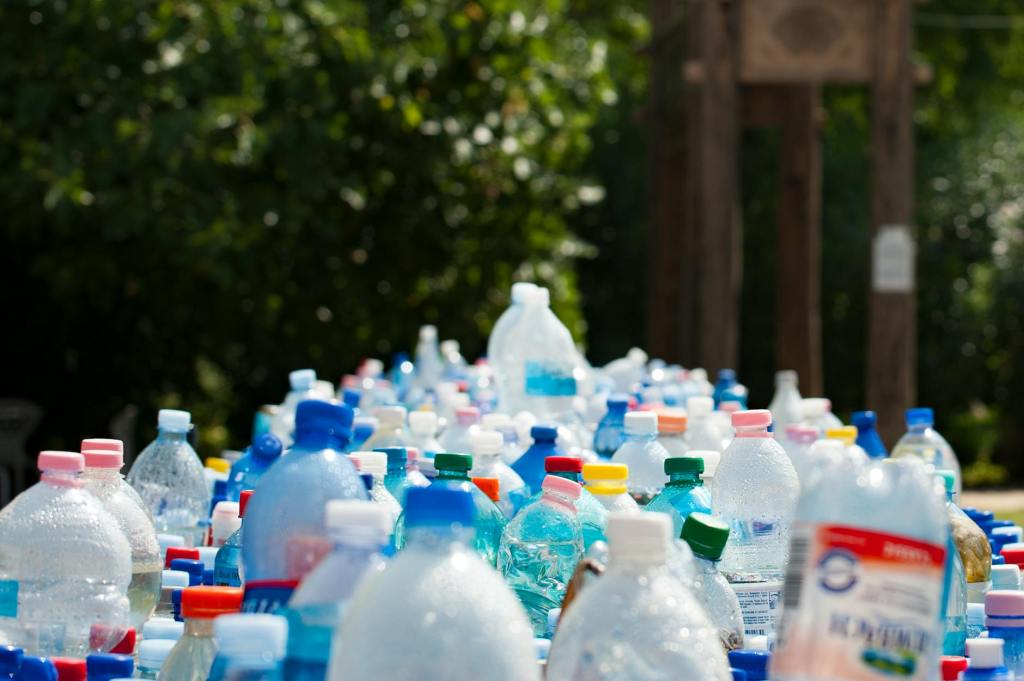
In the lead-up to the highly anticipated 2024 Paris Olympic Games, over 100 athletes have joined forces to advocate for a reduction in plastic waste generated by major sporting events. In a collective effort aimed at global beverage giants Coca-Cola and PepsiCo, athletes have penned a compelling letter to the CEOs of these companies, urging them to eliminate single-use plastic bottles and embrace sustainable packaging alternatives.
The initiative, spearheaded by Olympic medalists from various countries and backed by nine international sports organizations, marks a significant push towards environmental stewardship within the realm of competitive sports. The athletes’ plea underscores a growing consensus among sports professionals that urgent action is needed to combat the pervasive issue of plastic pollution, which poses severe threats to both wildlife and human health.
In their letter to Coca-Cola and PepsiCo executives, athletes emphasized the upcoming Paris Games as a pivotal moment to lead by example and initiate widespread change in packaging practices. The letter, crafted with the intent to galvanize a ‘sea change’ in public perception and corporate responsibility, challenges these beverage giants to prioritize reusable products over the prevalent use of disposable plastic bottles.
The detrimental effects of single-use plastics on the environment have been well-documented, prompting global efforts to curb their production and consumption. With plastic waste being a major contributor to pollution in oceans and landfills worldwide, the athletes’ advocacy highlights the imperative for sustainable practices at large-scale events such as the Olympics, where massive quantities of plastic bottles are traditionally distributed.
Notably, Coca-Cola has been identified as the world’s foremost plastic polluter by environmental watchdog Break Free from Plastics, underscoring the urgency for the company to adopt more environmentally friendly packaging strategies. Despite commitments to sustainability, reports indicate that a substantial portion—approximately 40%—of beverages served at the upcoming Paris Games may still be packaged in single-use plastic bottles, a discrepancy that has drawn criticism from environmental advocates and now from athletes themselves.
The 2024 Paris Olympics had initially been touted as a beacon of sustainability, with Mayor Anne Hidalgo announcing a ban on single-use plastics as part of the city’s broader environmental agenda. However, recent revelations suggest that a significant proportion of beverages consumed during the event will still rely on plastic packaging, highlighting the challenges and complexities involved in implementing comprehensive sustainability measures on such a grand scale.
The athletes’ impassioned plea not only calls upon Coca-Cola and PepsiCo to reassess their environmental impact but also serves as a rallying cry for greater accountability and innovation in packaging practices across industries. By leveraging the global platform of the Olympics, these sports professionals aim to inspire broader societal shifts towards reusable and recyclable materials, thereby setting a precedent for future international sporting events and beyond.
As stakeholders in both the athletic and corporate spheres converge on the issue of plastic waste, the path forward necessitates collaborative efforts and unwavering commitment to sustainable development goals. The intersection of sports, business, and environmental advocacy presents a unique opportunity to effect tangible change, encouraging corporations to align their operations with principles of environmental stewardship and social responsibility.
The collective action taken by over 100 athletes ahead of the 2024 Paris Olympics underscores a pivotal moment in the fight against plastic pollution. Their advocacy not only challenges industry leaders to adopt more sustainable practices but also amplifies the voices of athletes as influential agents of change on the global stage. As the world looks towards Paris in 2024, the spotlight will undoubtedly be on how major corporations like Coca-Cola and PepsiCo respond to this call for environmental responsibility, shaping the legacy of these Games and setting a precedent for future sustainability efforts in sports and beyond.




 PARYAWARAN
Leave a comment