
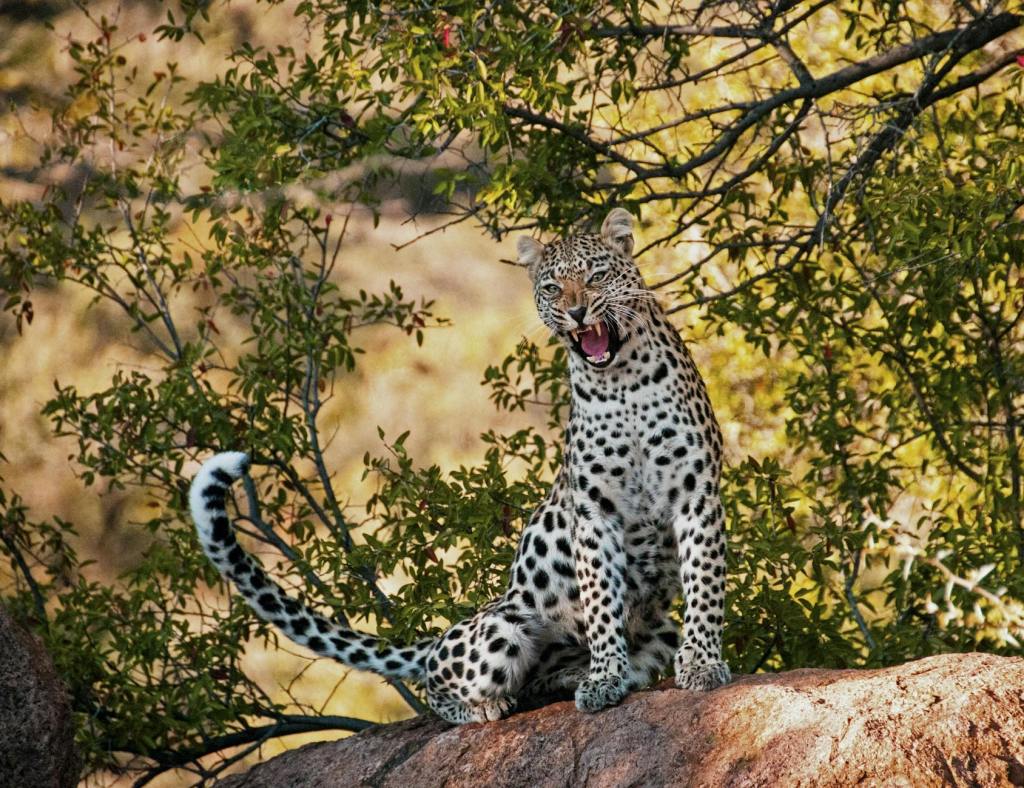
In a sobering assessment of the Indian leopard’s conservation status, the International Union for Conservation of Nature (IUCN) has raised alarms over a significant population decline of 24.5% over the last three generations. The latest findings, detailed in the IUCN’s Red List, highlight the urgent need for enhanced conservation efforts to protect this iconic big cat species.
Declining Numbers and Persistent Threats
According to the IUCN report, the Indian leopard (Panthera pardus fusca) has been categorized as “Near Threatened” under Criterion A2cd. This classification reflects a suspected decline primarily due to habitat loss, poaching for the illegal wildlife trade, and human-wildlife conflict. The assessment notes that despite some regions showing positive population trends, overall trends indicate a troubling decrease in leopard numbers across India.
Report emphasized that the data on population size and trends of the Indian Leopard remains inadequate. While efforts to expand the known range have yielded some positive outcomes, these gains are overshadowed by ongoing threats such as poaching and habitat fragmentation.
Poaching remains a severe issue, with reports indicating that approximately four leopards per week have fallen victim to illegal wildlife trade over the past decade. The demand for leopard skins and bones continues to drive this illicit trade, both domestically and internationally.
Moreover, conflict with humans, exacerbated by shrinking natural habitats and declining prey, poses additional challenges. Continuous reductions in wild prey species further stress leopard populations, particularly in non-forested areas and regions outside of India’s designated tiger landscapes.
Global Perspectives on Leopard Conservation
Beyond India, leopard populations worldwide are also under pressure. The IUCN’s broader assessment reveals significant declines exceeding 30% across various subspecies in regions spanning the Middle East, East and Southeast Asia, and parts of Africa. Habitat fragmentation due to urban expansion and agricultural development, coupled with rampant poaching and prey depletion, have collectively contributed to these declines.
“The leopard has vanished completely from North Africa,” the report noted, highlighting the drastic consequences of habitat loss and unsustainable human activities on wildlife populations. Conservation efforts in regions like the Caucasus and parts of Asia have shown some success, attributed to improved survey methods and the establishment of protected areas.
In areas like the Russian Far East and North East China, concerted efforts to create extensive national parks with robust protection measures have led to notable population increases.
Subspecies Assessment and Conservation Strategies
The IUCN’s assessment categorizes several leopard subspecies under varying levels of threat. The Indochinese leopard (Panthera pardus delacouri), Arabian leopard (Panthera pardus nimr), and North China leopard (Panthera pardus orientalis) are deemed Critically Endangered, reflecting severe population declines and imminent extinction risks.
Subspecies like the Persian leopard (Panthera pardus tulliana) and Javan leopard (Panthera pardus melas) are listed as Endangered, highlighting critical conservation priorities in their respective habitats. In contrast, the African leopard (Panthera pardus pardus) and Sri Lankan leopard (Panthera pardus kotiya) are categorized as Vulnerable, facing ongoing threats but with some populations showing resilience in protected areas.
Conservation Challenges and Strategies
Conservationists emphasize the importance of integrated approaches to mitigate threats facing leopards globally. Key strategies include expanding protected areas, enhancing anti-poaching measures, and promoting sustainable land use practices that minimize human-wildlife conflict. Engaging local communities in conservation efforts and fostering awareness about the ecological role of leopards are also critical components of effective conservation strategies.
What is important now is understanding the complex dynamics of leopard ecology and their interactions within ecosystems is paramount. Efforts to conserve leopards must be holistic, addressing both immediate threats and long-term sustainability.
Future Prospects and Collaborative Efforts
Despite the challenges, conservationists remain cautiously optimistic about the future of leopards. Collaborative initiatives involving governments, NGOs, and local communities have shown promise in reversing population declines and restoring habitats. The establishment of transboundary conservation corridors and regional agreements for wildlife protection are essential steps toward securing viable leopard populations across their range.
Thus, while the challenges are daunting, concerted efforts driven by scientific rigor and collaborative partnerships offer hope for the continued survival of leopards and the ecosystems they inhabit. By prioritizing conservation actions and mobilizing global support, humanity can secure a sustainable future where leopards thrive alongside human communities in harmony with nature.



 PARYAWARAN
Leave a comment