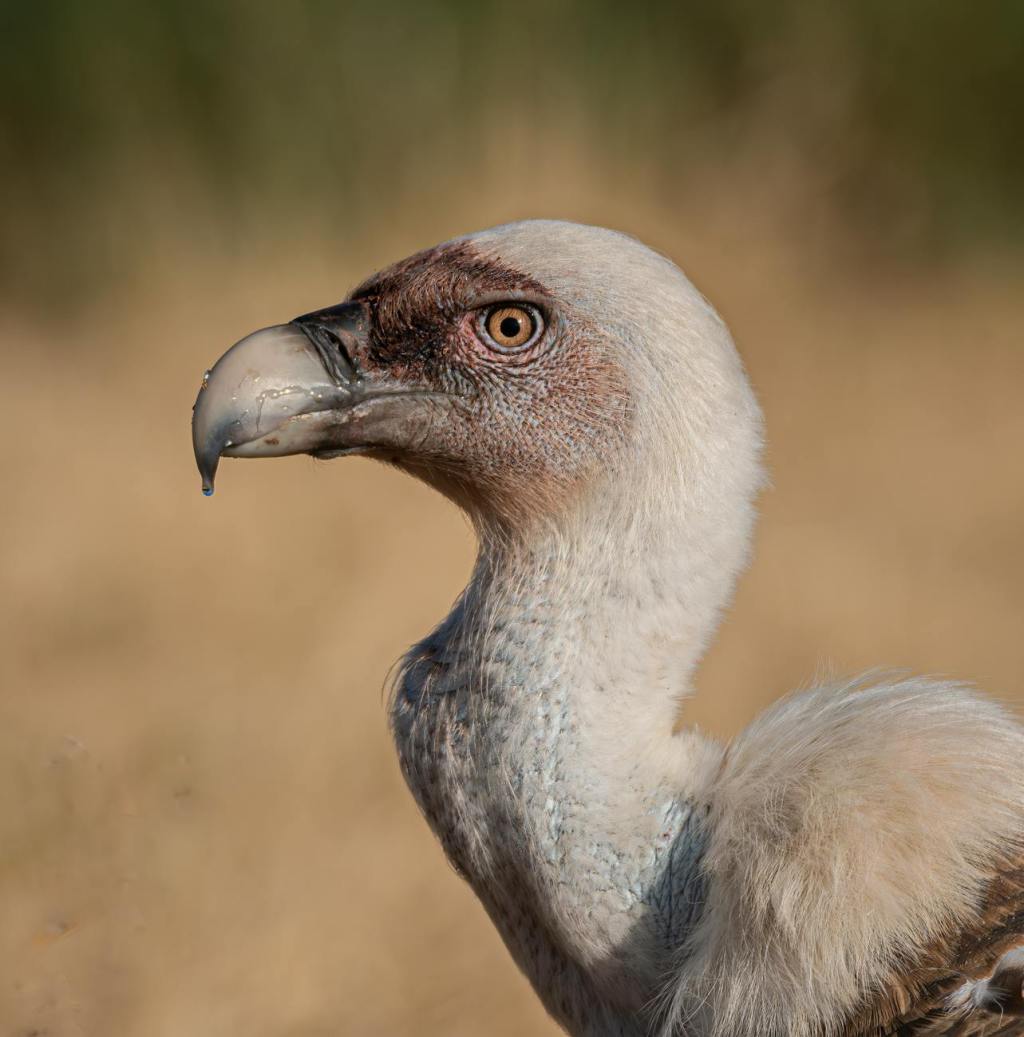
In a sobering reminder of the intricate balance of ecosystems, a recent study has revealed that the dramatic decline of vulture populations in India has been directly linked to approximately 500,000 human deaths over a five-year period. The research, published in the American Economic Association journal, highlights the unintended consequences of the loss of these scavenging birds.
Historically, vultures were a common sight across India, playing a crucial role in the environment by consuming livestock carcasses. However, by the mid-1990s, the population of these birds plummeted dramatically due to the widespread use of diclofenac, a non-steroidal anti-inflammatory drug used to treat sick cattle. Diclofenac, while effective for livestock, proved fatal to vultures that ingested it through contaminated carcasses, leading to kidney failure and death.
Despite a 2006 ban on the veterinary use of diclofenac, the damage to vulture populations has been severe and long-lasting. Current estimates indicate that three major vulture species in India—the white-rumped vulture, Indian vulture, and red-headed vulture—have experienced declines of 98%, 95%, and 91% respectively. The Egyptian vulture and the migratory griffon vulture have also seen significant reductions, though not as extreme.
The study conducted by Eyal Frank, an assistant professor at the University of Chicago’s Harris School of Public Policy, and Anant Sudarshan, an associate professor at the University of Warwick, assessed the impact of this vulture decline on human health. By comparing data from districts with historically high vulture populations to those with low or no vultures, they found a striking increase in human death rates of over 4% in areas formerly dominated by vultures.
This increase in mortality was linked to the proliferation of disease and bacteria that vultures had previously helped to control. With the vultures gone, the carcasses of deceased livestock began to accumulate, leading to a rise in stray dog populations that spread rabies. Although there was a rise in rabies vaccine sales during this period, it was insufficient to counteract the effects of the increased pathogen load.
Additionally, the absence of vultures contributed to poor disposal methods and water contamination, with fecal bacteria levels in drinking water more than doubling. The economic impact of these additional deaths was estimated at over $69 billion annually in mortality damages.
The 2019 livestock census recorded more than 500 million animals in India, the highest number globally. With vultures previously playing a key role in managing livestock carcasses, their decline has led to significant ecological and public health challenges.
While there are some signs of recovery—such as the release of 20 captive-bred vultures in West Bengal and a recent survey showing over 300 vultures in southern India—experts caution that continued threats from veterinary drugs, habitat disruption, and competition from feral dogs persist. The ongoing decline of vulture populations underscores the need for more comprehensive conservation efforts and regulations to protect these vital scavengers and the broader ecosystem.
The stark lesson from India’s vulture crisis highlights the interconnectedness of species within ecosystems and the far-reaching impacts that the loss of a single species can have on human health and economic stability.




 PARYAWARAN
Leave a comment