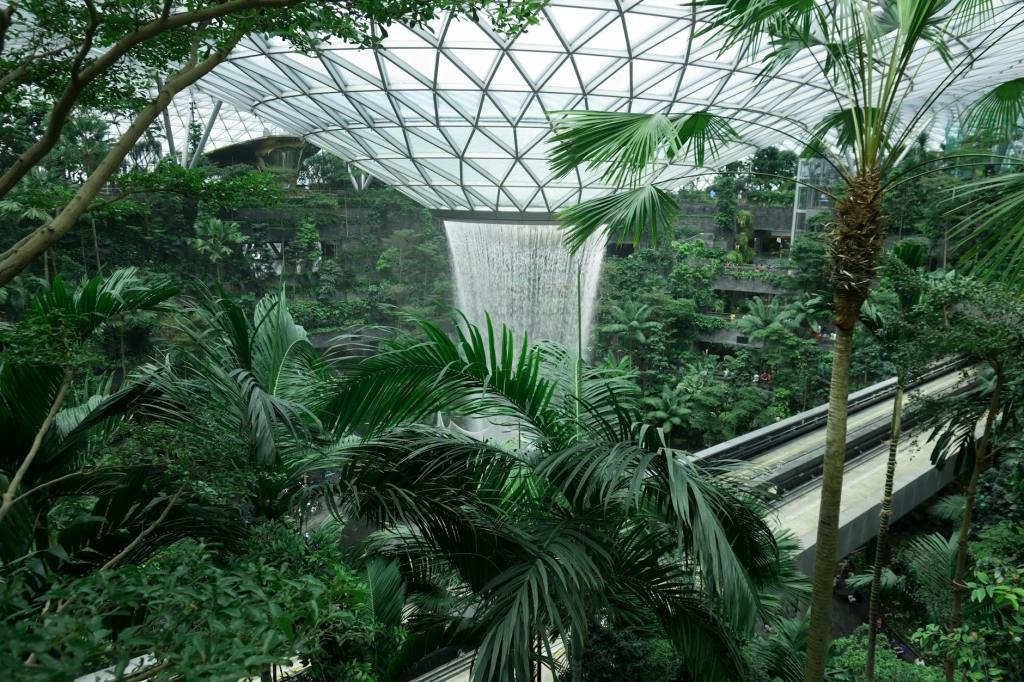
In an era marked by escalating temperatures and increasing heat stress, urban areas around the world are taking significant steps to mitigate these extreme conditions by embracing nature-based solutions. With cities heating up at twice the rate of the planet’s average, the need for innovative cooling strategies has never been more urgent. Greening urban environments—through the expansion of green spaces, parks, and other nature-based interventions—is emerging as a crucial strategy in reducing heat stress and improving overall public health.
Heat stress, which can severely impair bodily functions and disrupt the body’s ability to regulate its temperature, is becoming an increasingly dangerous issue. According to experts, heat stress is currently the most deadly form of extreme weather. The situation is exacerbated by global warming, which is expected to place an additional 175 million people at risk of heat-related health problems. Cities, with their dense infrastructure and human activity, are particularly vulnerable, facing temperature rises that significantly outpace those observed in rural areas.
Urban heat islands (UHIs) are a major factor contributing to this phenomenon. These are areas within cities that experience higher temperatures than their rural surroundings, primarily due to human activities and modifications to the landscape. The proliferation of concrete, asphalt, and buildings—coupled with reduced vegetation—results in heat retention and reduced cooling effects. Consequently, urban residents are exposed to more extreme heat, which can exacerbate conditions like heat stress, cardiovascular problems, and respiratory issues.
Recognizing the urgent need to address these challenges, city planners and policymakers around the globe are increasingly turning to green infrastructure as a solution. Integrating more vegetation into urban areas—through the development of parks, green roofs, and tree-lined streets—can play a significant role in mitigating heat stress and enhancing overall city resilience.
One effective approach is the creation and expansion of urban green spaces. Parks and green areas not only offer recreational benefits but also serve as natural cooling systems. Plants and trees provide shade and release moisture into the air through a process known as transpiration, which helps to lower surrounding temperatures. For example, a study conducted in the United States found that areas with abundant tree cover can be up to 5°F cooler than those with limited vegetation. By increasing the number of parks and green zones, cities can effectively reduce the impact of heat islands and offer residents a respite from extreme temperatures.
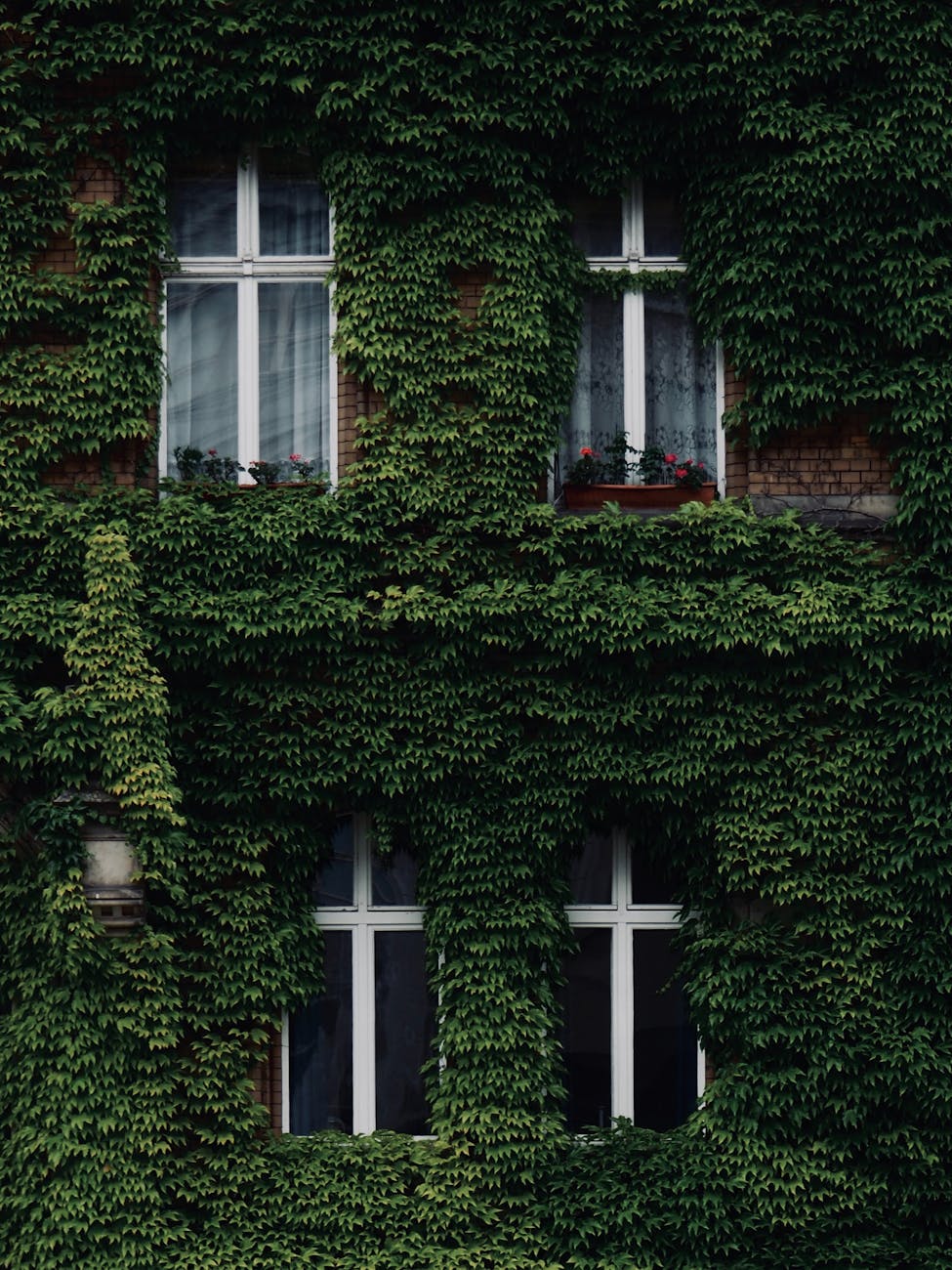
Green roofs and walls are another innovative solution gaining traction. These features involve the installation of vegetation on building rooftops and vertical surfaces, which can help to insulate buildings, reduce energy consumption, and lower surface temperatures. In addition to their cooling benefits, green roofs and walls can enhance urban biodiversity, improve air quality, and manage stormwater runoff. Cities such as New York, London, and Tokyo have implemented successful green roof programs that demonstrate the multifaceted benefits of this approach.
The integration of green corridors—continuous strips of green space that connect different parts of the city—also plays a vital role in mitigating urban heat. These corridors can improve air flow, reduce the heat island effect, and create pathways for wildlife. By linking parks and natural areas, green corridors facilitate not only environmental benefits but also encourage physical activity and enhance the quality of life for urban residents.
Furthermore, community engagement and involvement in greening initiatives are crucial for their success. Cities are increasingly recognizing the importance of incorporating local perspectives and fostering public participation in the planning and maintenance of green spaces. Involving residents in the design and stewardship of urban greenery ensures that these spaces meet the needs of diverse communities and fosters a sense of ownership and pride.
Several cities around the world are already reaping the benefits of these green strategies. In Singapore, for instance, the city-state has embraced an extensive urban greening program that includes a network of parks, green roofs, and vertical gardens. These initiatives have not only improved the urban climate but also contributed to Singapore’s reputation as one of the greenest cities globally.
Similarly, in Melbourne, Australia, the city has implemented a “Urban Forest Strategy” aimed at increasing canopy cover to combat the UHI effect. This initiative includes planting trees, creating green roofs, and enhancing parklands to provide a cooling effect and improve overall urban resilience.
Lastly, greening cities presents a promising solution to the growing challenge of heat stress and urban heat islands. By expanding green spaces, implementing green roofs and walls, and developing green corridors, urban areas can significantly mitigate the effects of rising temperatures. These nature-based strategies not only enhance environmental sustainability but also improve public health and quality of life for city residents. As global temperatures continue to rise, the integration of nature into urban planning will be increasingly critical in creating resilient and livable cities for the future.


 PARYAWARAN
Leave a comment