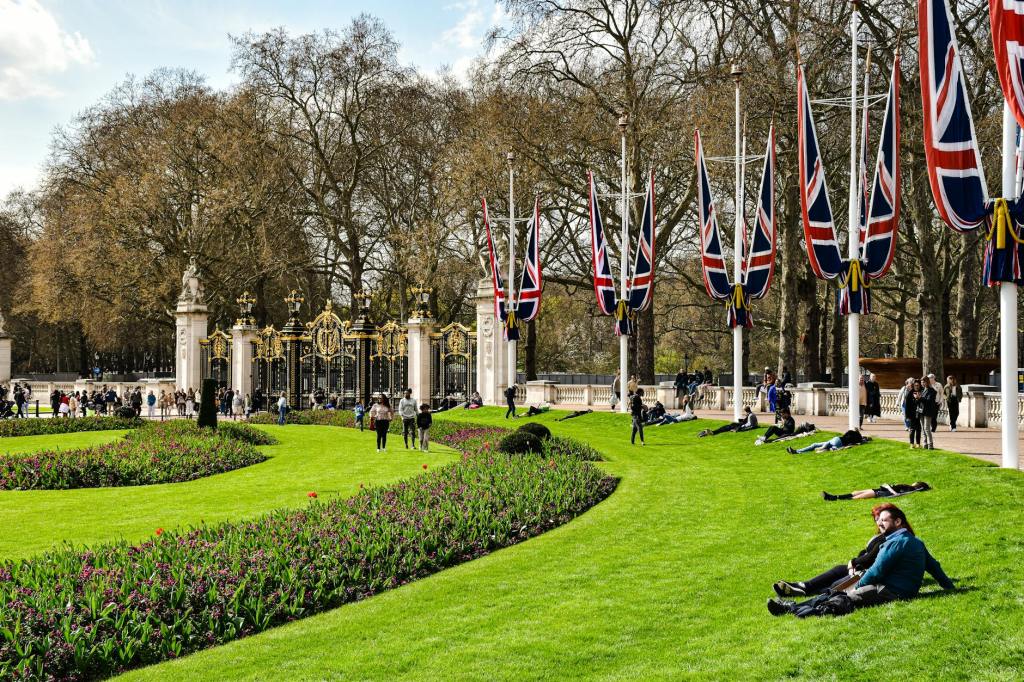
Kew Gardens, the celebrated botanical sanctuary in London, is confronting a critical challenge as new research reveals that climate change could lead to the loss of over half of its tree species by the year 2090. This alarming projection comes on the heels of a significant drought in 2022, which saw the loss of 400 trees and underscored the garden’s vulnerability to changing climate conditions.*
The study, conducted by a team of climate scientists and botanists, highlights the severe impacts that global warming and shifting weather patterns are having on Kew Gardens. As London’s climate is expected to gradually mirror that of Barcelona’s by 2050—characterized by hotter and drier conditions—many of the garden’s existing tree species may struggle to survive in the increasingly challenging environment.
Kew Gardens, renowned for its extensive and diverse collection of plant species from around the world, has long been a beacon of botanical research and conservation. Its sprawling grounds house thousands of trees, many of which are rare or endangered in their native habitats. The anticipated climate shifts present a profound threat not only to the garden’s plant collection but also to the broader ecological balance it supports.
In response to this crisis, Kew Gardens is implementing a comprehensive succession plan aimed at enhancing the resilience of its arboreal collection. The strategy involves the strategic replacement of at-risk tree species with those that are better adapted to hotter and drier conditions. This includes sourcing and planting drought-tolerant species from regions that are experiencing similar climate shifts.
Richard Barley, Director of Gardens at Kew, articulated the garden’s proactive approach: “By focusing on resilience and adaptability, we hope to show it is possible to mitigate the severe impacts of climate change in both urban spaces and gardens such as Kew.” Barley’s statement underscores the garden’s commitment to demonstrating practical solutions for conservation in the face of environmental change.
The implications of the potential loss of these trees extend far beyond the immediate aesthetic and operational concerns of Kew Gardens. Trees play a critical role in maintaining biodiversity, regulating air quality, and supporting various forms of wildlife. The disappearance of over half of the garden’s tree species could disrupt these ecological functions and have cascading effects on the environment. Moreover, the loss of such a significant portion of Kew’s collection could diminish its role as a global center for botanical research and conservation.
The broader impact of climate change on urban green spaces like Kew Gardens serves as a stark reminder of the urgent need for comprehensive climate action. As cities around the world face similar challenges, the strategies employed by Kew Gardens may offer valuable insights into how other urban spaces can adapt to changing climate conditions.
The ongoing work at Kew Gardens not only reflects the garden’s dedication to preserving its historical and scientific legacy but also highlights the critical intersection of climate science and conservation efforts. The garden’s efforts to adapt and thrive amidst these challenges will be closely watched by the global community as a model for resilience and sustainability in the face of an increasingly uncertain future.



 PARYAWARAN
Leave a comment