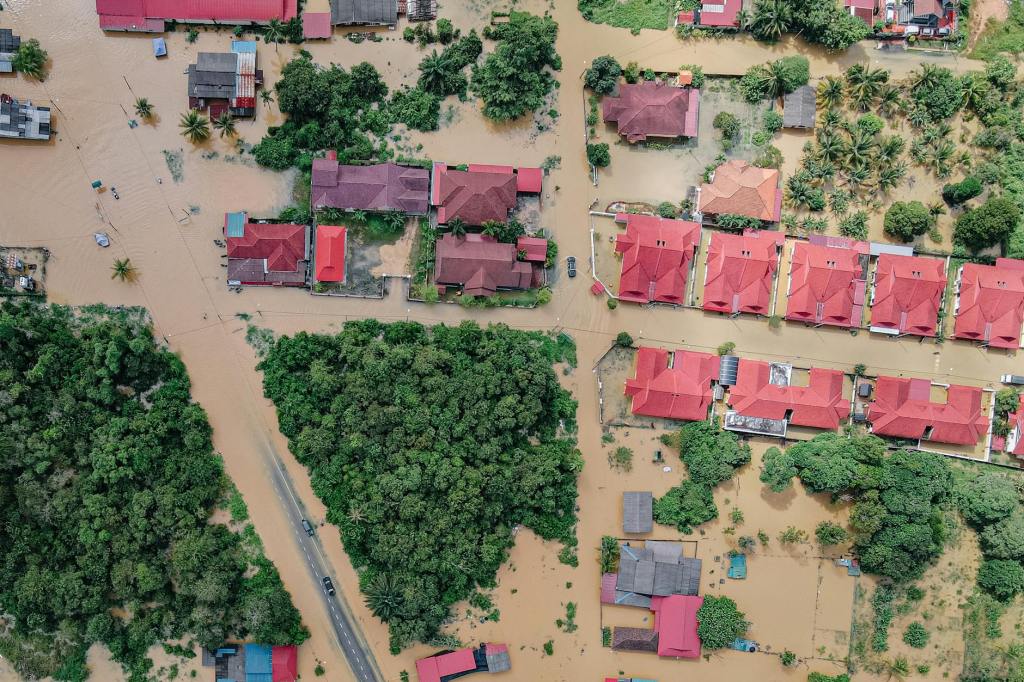
A catastrophic event has struck Wayanad district, plunging the region into mourning as more than 150 lives have been lost in landslides triggered by unprecedented heavy rains. The disaster has left hundreds feared trapped under debris, complicating ongoing rescue operations amidst harsh weather conditions that threaten further landslides and impede relief efforts.
The landslides, prompted by rainfall exceeding 372 mm in 24 hours, have devastated several areas including Mundakkai, Chooralmala, Attamala, and Noolpuzha. Once renowned for their verdant beauty, these landscapes now lie in ruin, with homes destroyed, roads rendered impassable, and communities isolated from essential services.
This tragic incident in Wayanad is the latest in a series of natural calamities that have beset Kerala in recent years, from floods to landslides. The recurrence of such disasters has sparked profound concerns regarding the influence of climate change and human activities in exacerbating the region’s vulnerability.
Environmental Factors Amplifying Vulnerability
Wayanad’s distinctive topography, characterized by steep slopes and loose topsoil on rocks, makes the area highly susceptible to landslides. Approximately half of Kerala’s terrain features slopes steeper than 20 degrees, intensifying the risk of soil erosion and catastrophic landslides during heavy rainfall.
“The escalation in rainfall intensity indicates an increased likelihood of landslides in the mid to highland slopes of the Western Ghats in eastern Kerala,” as stated in a report by the Kerala State Planning Board. When intense rains saturate the soil, it compromises stability and triggers landslides with devastating consequences, as seen recently in Wayanad.
Impact of Human Activities
While natural factors play a significant role, human activities have exacerbated Kerala’s susceptibility to disasters. The region’s designation as an ecological hotspot has spurred tourism development, leading to extensive construction of hotels, restaurants, and infrastructure in environmentally fragile areas.
“The unchecked expansion of commercial activities in vulnerable zones has substantially contributed to the tragedy,” noted environmental experts. Encroachment into ecologically sensitive areas has disrupted natural drainage systems and further weakened hillsides, heightening the risks posed by heavy rainfall events.
Historical Context of Natural Disasters in Kerala
Over the past decade, Kerala has witnessed a troubling trend of escalating natural disasters, with landslides and floods claiming numerous lives annually. According to data presented to the Lok Sabha by the Ministry of Earth Sciences, Kerala recorded the highest number of major landslides in India from 2015 to 2022, totaling 2,239 out of 3,782 incidents nationwide.
In 2018, devastating floods ravaged the state, claiming over 400 lives and causing widespread destruction. Subsequent years have seen recurring instances of landslides and floods, including tragic events in Kottayam and Idukki districts in 2021, and numerous rain-related fatalities in 2022 according to reports from the India Meteorological Department.
The Legacy of the Madhav Gadgil Committee Report
A pivotal moment in Kerala’s environmental history was marked by the release of the Madhav Gadgil Committee Report, which recommended designating 64% of the Western Ghats as ecologically sensitive zones (ESZs). The report underscored the necessity for stringent conservation measures to protect Kerala’s fragile ecosystems from irreversible damage.
Despite clear warnings and recommendations, the report faced resistance from affected states, including Kerala, citing concerns over economic impacts and livelihoods. The state’s hesitancy to implement crucial recommendations aimed at curbing detrimental activities such as sand mining, quarrying, and large-scale infrastructure projects has perpetuated environmental degradation.
Thirteen years have elapsed since the report’s submission, yet little action has been taken to safeguard Kerala’s natural heritage, the failure to enforce ecological safeguards has left Kerala’s hillsides increasingly vulnerable to disasters like the present landslides in Wayanad.
The landslides in Wayanad have starkly illustrated the devastating consequences of neglecting environmental sustainability in pursuit of economic growth. As Kerala mourns its losses and grapples with the aftermath of this tragic event, the need for substantive changes in environmental policy and practice is glaringly evident.




 PARYAWARAN
Leave a comment