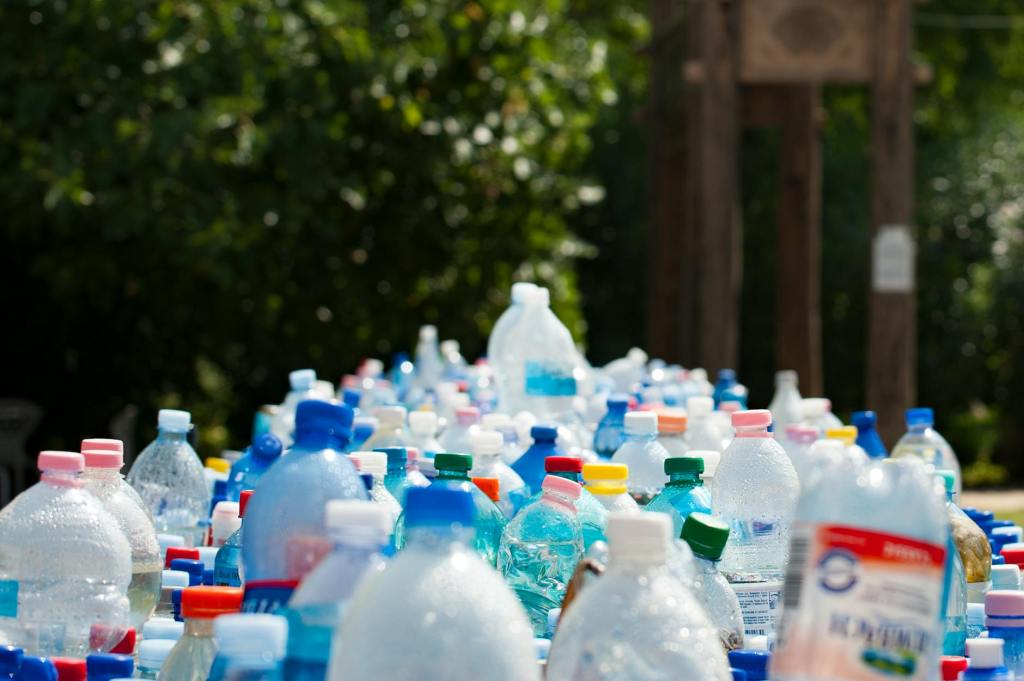
A new Greenpeace study has uncovered a disturbing prevalence of microplastics in wildlife across Hong Kong’s countryside, shedding light on a pervasive environmental issue that transcends urban boundaries. The study, released on Monday, reveals that microplastic particles were found in 85% of wildlife fecal samples collected from various natural habitats in Hong Kong. This finding underscores the extensive reach of plastic pollution and its detrimental effects on wildlife, even in relatively remote and undeveloped areas.
The report comes as international discussions on plastic pollution are set to intensify. In November, global leaders will convene in South Korea to negotiate a potentially landmark treaty aimed at addressing the global plastic crisis. The Greenpeace report serves as a stark reminder of the urgency needed to combat plastic pollution, which has become a critical issue for both environmental and human health.
The Extent of the Microplastics Crisis
Microplastics, tiny plastic particles less than five millimeters in diameter, have emerged as a pervasive contaminant in various environments worldwide. The Greenpeace study highlights that these particles have infiltrated some of the most remote and pristine areas of Hong Kong, which are home to a range of wildlife species including buffalo, wild boars, wild cattle, macaques, and porcupines. The research team, comprising experts from Greenpeace and local universities in Hong Kong and Taiwan, collected 100 fecal samples from seven different locations in 2022. The results were startling: 85% of these samples contained microplastics.
This widespread contamination of microplastics points to the fact that plastic pollution is not confined to urban areas or coastal environments. Even in the countryside, where human activity is less prevalent, wildlife is ingesting microplastics. The implications of these findings are significant, as they reveal that plastic pollution is a more pervasive and insidious problem than previously understood.
Sources and Types of Microplastics
The Greenpeace report identifies polyethylene and polypropylene as the most common types of microplastics found in the wildlife samples. These plastics are commonly used in single-use packaging, takeaway containers, and disposable utensils. The presence of these materials in the countryside highlights the far-reaching impact of plastic waste. Despite efforts to manage plastic waste in urban areas, such as Hong Kong’s recent ban on polystyrene utensils in restaurants, the issue of plastic pollution remains a pervasive problem.
During a visit to the Pui O River on Lantau Island, researchers observed buffalo bathing in a stream near plastic waste scattered along the riverbanks. This observation underscores the reality that even seemingly remote areas are not immune to the effects of plastic pollution.
Impact on Wildlife and Ecosystems
The ingestion of microplastics by wildlife can have several detrimental effects. Microplastics can cause physical harm to animals, including digestive blockages and injuries. Additionally, these particles can carry harmful chemicals and pollutants, which may accumulate in the food chain and affect various species. The presence of microplastics in wildlife highlights a broader ecological issue, as contaminants can move up the food chain, potentially affecting predators and, ultimately, humans.
The Greenpeace study reinforces the need for a comprehensive understanding of how microplastics impact ecosystems and wildlife. Research is still ongoing to determine the specific effects of microplastics on animal health and behavior. However, the evidence already suggests that plastic pollution is a significant threat to biodiversity and ecosystem health.
Human Health Concerns
The implications of microplastics for human health are also a growing concern. Recent studies have detected microplastics in various human tissues, including breast milk. While the full impact of microplastics on human health is not yet fully understood, the potential risks are alarming. The presence of microplastics in the environment and food supply raises questions about long-term health effects and the need for further research.
Calls for Action
The Greenpeace study highlights the need for urgent action to address the global plastic pollution crisis. Christelle Not, a researcher from the University of Hong Kong, emphasized the importance of the findings, stating, “The findings of this study are important, proving that wild animals can ingest microplastics in the countryside, where it is away from urban areas and human activities. As an increasing number of studies find microplastics in various natural environments, wildlife, and even human bodies, plastic pollution has become a global issue that urgently needs to be addressed.” She called for the establishment of “a strong global plastic treaty” to help meet reduction targets and mitigate the impact of plastic pollution.
Despite Hong Kong’s efforts to address plastic waste through regulations and bans, such as the April 2023 ban on polystyrene utensils in restaurants, Greenpeace notes that a comprehensive ban covering a wider range of plastic materials used by businesses is still lacking a clear timetable. The organization urges policymakers to implement more robust measures to reduce plastic waste and prevent further environmental contamination.
Global Efforts and Future Outlook
The Greenpeace report aligns with broader global efforts to tackle plastic pollution. International negotiations on a global plastic treaty are set to address the multifaceted nature of the plastic crisis. The treaty aims to establish comprehensive strategies for reducing plastic production, improving waste management, and curbing plastic pollution at its source.
As the world grapples with the challenges of plastic pollution, the Greenpeace study provides a sobering reminder of the scale and urgency of the issue. The widespread presence of microplastics in wildlife across Hong Kong’s countryside underscores the need for coordinated global action and robust policies to address plastic pollution. The upcoming talks in South Korea will be a critical opportunity for governments to commit to meaningful actions that can protect wildlife, ecosystems, and human health from the far-reaching impacts of plastic pollution.
Conclusion
The Greenpeace study serves as a wake-up call, illustrating the pervasive and damaging effects of microplastic pollution on wildlife and ecosystems. As international leaders prepare to negotiate a global plastic treaty, the findings highlight the urgent need for comprehensive and effective measures to address plastic pollution. By understanding the extent of the problem and taking decisive action, it is possible to mitigate the impacts of plastic pollution and safeguard the environment for future generations.



 PARYAWARAN
Leave a comment