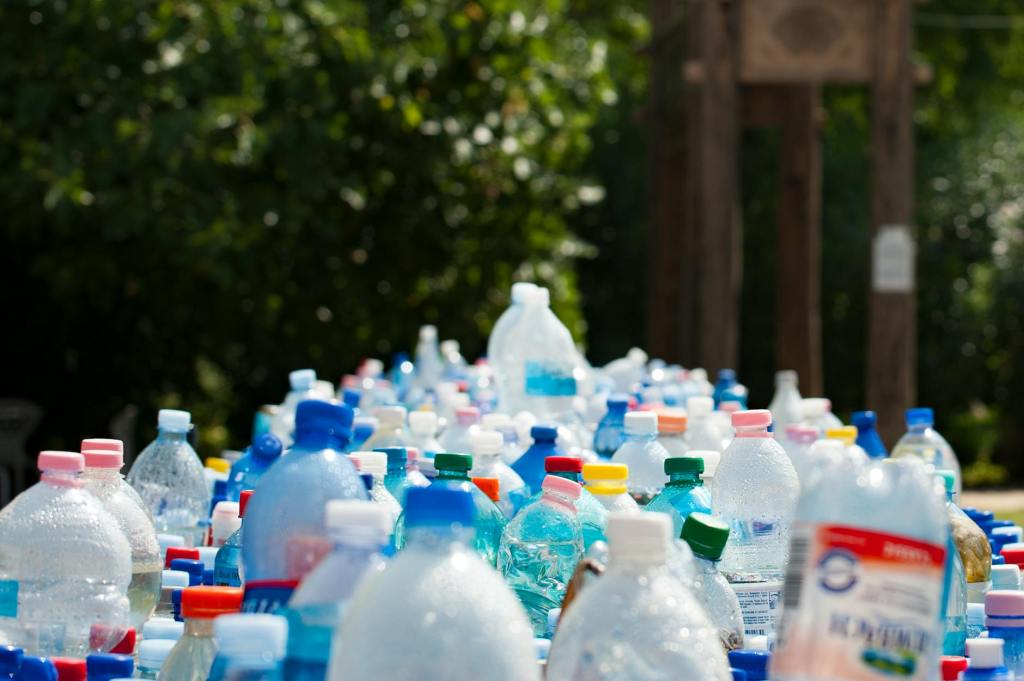
In a groundbreaking study utilizing advanced machine learning techniques, researchers have unveiled the most comprehensive global picture of plastic pollution to date. This new model, which evaluates pollution across over 50,000 towns, cities, and rural areas worldwide, highlights India as the most significant source of plastic pollution. The findings underscore a pressing environmental issue and reveal crucial insights into the sources of plastic waste and its impact on global ecosystems.
The Extent of Plastic Pollution
Plastic pollution has become an omnipresent problem, affecting environments from the deepest ocean trenches to the highest mountain peaks. Despite widespread observations, these snapshots only offer fragmented views of the issue. The latest model developed by researchers delves deeper, seeking to understand how plastic escapes controlled waste management systems and ends up in natural environments, where it becomes exceedingly difficult to manage.
The research identified that of the 52 million tonnes of plastic waste entering the environment annually—equivalent to the weight of approximately 8.7 million African grey elephants—uncollected waste is the predominant contributor. This accounts for about 68% of all plastic pollution by weight, translating to approximately 36 million tonnes each year.
Key Findings and Regional Insights
The study reveals stark contrasts between developed and developing countries in terms of plastic pollution sources. In developed nations, littering stands out as the largest emission source, despite having sophisticated waste management systems. Conversely, in developing countries, the failure to collect waste is the principal cause of plastic pollution.
India, in particular, emerges as a significant concern. The country is identified as the largest emitter of plastic pollution, contributing 9.3 million tonnes annually, which constitutes a fifth of the global total. This figure is more than twice the combined emissions of the next two largest polluters, Nigeria and Indonesia.
Understanding the Causes
The research attributes India’s status as a top plastic polluter to a combination of factors. Despite having a substantial waste generation rate, with an estimated 0.54 kilograms of waste per person per day (significantly higher than official estimates), only 81% of the waste is collected. The remaining waste either ends up being burned, buried, or scattered, exacerbating pollution levels.
A critical component of this issue is the open burning of waste, which contributes to 57% of global plastic pollution by weight. This practice, often employed as a quick fix to manage waste, results in hazardous emissions that harm both the environment and public health. Open burning is prevalent in areas with limited waste management infrastructure, where it is mistakenly perceived as a solution to reduce waste accumulation.
The Role of Waste Collection and Management
The study highlights a crucial misconception in addressing plastic pollution. Contrary to the belief that individual irresponsibility is the primary cause, the real issue lies in inadequate waste collection systems. Approximately 1.2 billion people around the world lack access to proper waste collection services, leaving them with few alternatives other than burning, burying, or dispersing their waste.
This lack of infrastructure is particularly pronounced in developing countries, where resources are limited, and waste management systems are often underdeveloped. The new model demonstrates that improving waste collection and management could significantly mitigate plastic pollution. By expanding waste collection services, particularly in areas with high pollution rates, governments can make a substantial impact on reducing environmental contamination.
Policy Implications and Future Directions
The study’s findings offer valuable insights for policymakers aiming to combat plastic pollution. The detailed understanding of how waste is managed and emitted globally allows for more targeted and effective interventions. Countries struggling with high levels of plastic pollution, often due to insufficient resources, can now focus their efforts on the most critical areas.
The results also support the development of action plans aligned with the goals of the global plastics treaty—an international agreement currently being negotiated to address plastic pollution on a global scale. By using the model’s insights, governments can better allocate their limited resources and implement strategies that address the root causes of plastic pollution.
Broader Implications for Waste Management
Addressing plastic pollution requires a comprehensive approach that goes beyond merely reducing plastic consumption. Plastics are part of a complex mix of materials in waste, and their management cannot be isolated from other waste types. For example, food waste and other biodegradable materials contribute significantly to climate emissions when disposed of in landfills.
Reducing plastic use is crucial, but it must be accompanied by strategies for reusing materials and finding viable alternatives. While opportunities to replace plastics may be limited, managing plastic waste more effectively remains a pressing priority. Extending waste collection services and improving waste management infrastructure could have a dramatic impact on reducing plastic pollution and benefiting billions of people worldwide.
Conclusion
The new global model presents a sobering yet informative perspective on plastic pollution, identifying India as a major hotspot and highlighting the critical role of waste management in addressing the issue. By focusing on improving waste collection and management systems, particularly in regions with high pollution levels, there is a significant opportunity to reduce plastic pollution and its harmful effects on the environment and human health. The study’s findings provide a valuable framework for policymakers and environmental advocates working towards a more sustainable and cleaner future.




 PARYAWARAN
Leave a comment