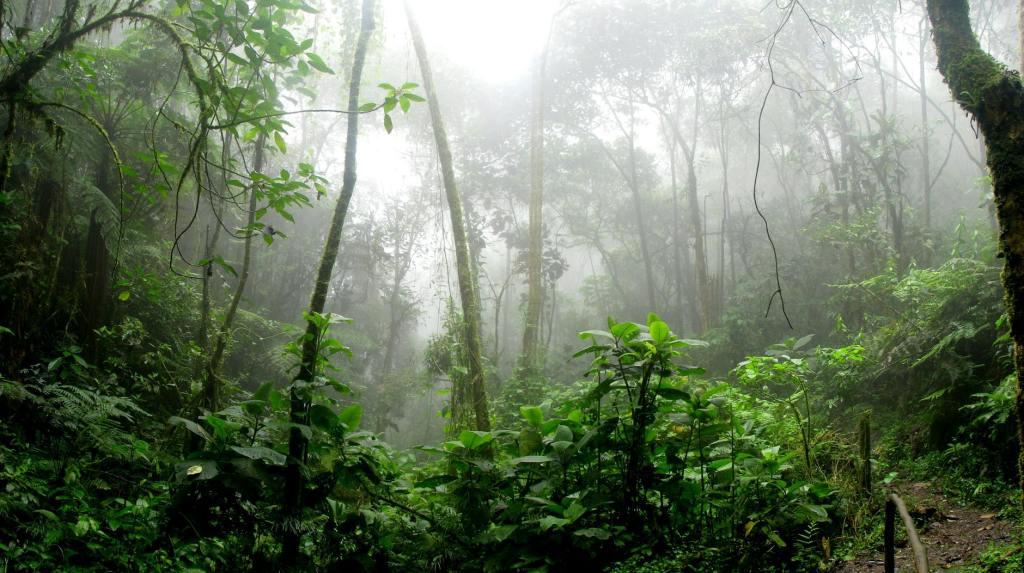
In a significant legal development aimed at combating illegal deforestation in the Amazon, a Brazilian judge has levied substantial fines against two beef slaughterhouses and three ranchers for their roles in contributing to environmental destruction. This ruling underscores the ongoing legal efforts to address the impact of cattle farming on the vital ecosystem of the Amazon rainforest.
Case Overview
Judge Inês Moreira da Costa has ordered Distriboi and Frigon, two prominent beef slaughterhouses, along with three ranchers, to pay a total of $764,000. This penalty is levied as compensation for their involvement in the illegal deforestation of land within the Jaci-Parana reserve, a protected area in the state of Rondonia. The hefty fine includes $453,000 designated specifically for the reforestation of 232 hectares of land that was illegally converted into pasture.
The legal action represents a key milestone in Brazil’s broader efforts to combat environmental degradation driven by the beef industry. This case forms part of a series of lawsuits aimed at companies linked to the illegal cattle trade in the Amazon, an initiative critical for the preservation of one of the world’s most crucial ecological regions.
Details of the Case
The judicial proceedings revealed that Distriboi and Frigon had been purchasing cattle from areas where deforestation had taken place unlawfully. The beef produced from these cattle was then processed and sold, thus benefiting from the illegal activities associated with deforestation. Judge da Costa’s ruling highlights the direct responsibility of these companies in perpetuating illegal deforestation practices through their supply chain.
“When a slaughterhouse, whether by negligence or intent, buys and resells products from invaded and illegally deforested reserves, it is clear that it is directly benefiting from these illegal activities,” Judge da Costa stated, emphasizing the need for accountability within the industry.
Impact on the Amazon
The Amazon rainforest plays a critical role in regulating the global climate by absorbing carbon dioxide and producing oxygen. The extensive deforestation driven by cattle ranching and other agricultural activities poses a significant threat to this essential ecosystem. The conversion of forested land into pasture for cattle not only leads to the loss of biodiversity but also exacerbates climate change by releasing stored carbon into the atmosphere.
The legal actions against companies involved in illegal deforestation are crucial for halting these destructive practices. By holding firms accountable, Brazilian authorities aim to deter further illegal activities and promote more sustainable practices within the beef industry.
Broader Implications
This case is not isolated but part of a larger trend of legal actions targeting the beef industry’s environmental impact. Brazilian authorities and environmental groups have been increasingly focused on addressing the links between deforestation and cattle farming. This includes both direct actions against companies found to be engaging in or benefiting from illegal deforestation and broader policy measures aimed at improving the traceability of cattle supply chains.
The Brazilian government has also been under pressure from both domestic and international communities to strengthen its environmental protections and enforcement mechanisms. The high-profile nature of this case and the significant penalties imposed may serve as a deterrent to other companies considering or involved in similar illegal activities.
Challenges and Future Outlook
While the ruling represents a significant step forward, challenges remain in fully addressing the scope of illegal deforestation in the Amazon. Enforcement of environmental laws can be complex and resource-intensive, often requiring coordinated efforts between various levels of government and non-governmental organizations.
Additionally, there is ongoing debate about the effectiveness of legal actions alone in curbing deforestation. Many experts argue that while legal measures are essential, they must be part of a broader strategy that includes economic incentives for sustainable practices, support for indigenous land rights, and improved land use planning.
Global Context
The Amazon rainforest’s health is of global concern, as its preservation is crucial for maintaining global biodiversity and climate stability. International bodies and organizations have been increasingly vocal about the need for robust actions to protect the rainforest. The involvement of global consumer markets in influencing local practices also highlights the interconnected nature of environmental issues and the importance of international cooperation in addressing them.
The legal action taken against Distriboi, Frigon, and the implicated ranchers reflects a growing recognition of the need for global and local efforts to protect vital ecosystems. As countries like Brazil grapple with balancing economic development and environmental conservation, the outcomes of these legal cases could influence policies and practices far beyond their borders.
The recent ruling by Judge Inês Moreira da Costa against Distriboi, Frigon, and three ranchers marks a significant development in the fight against illegal deforestation in the Amazon. By imposing substantial fines and mandating reforestation efforts, the court has sent a strong message about the responsibility of companies involved in the beef industry to avoid contributing to environmental harm.
The implications of this case extend beyond Brazil, highlighting the importance of international vigilance and cooperation in protecting the Amazon rainforest. As legal actions continue and the global community intensifies its focus on environmental conservation, the hope is that such measures will contribute to a more sustainable future for one of the planet’s most vital ecosystems.




 PARYAWARAN
Leave a comment