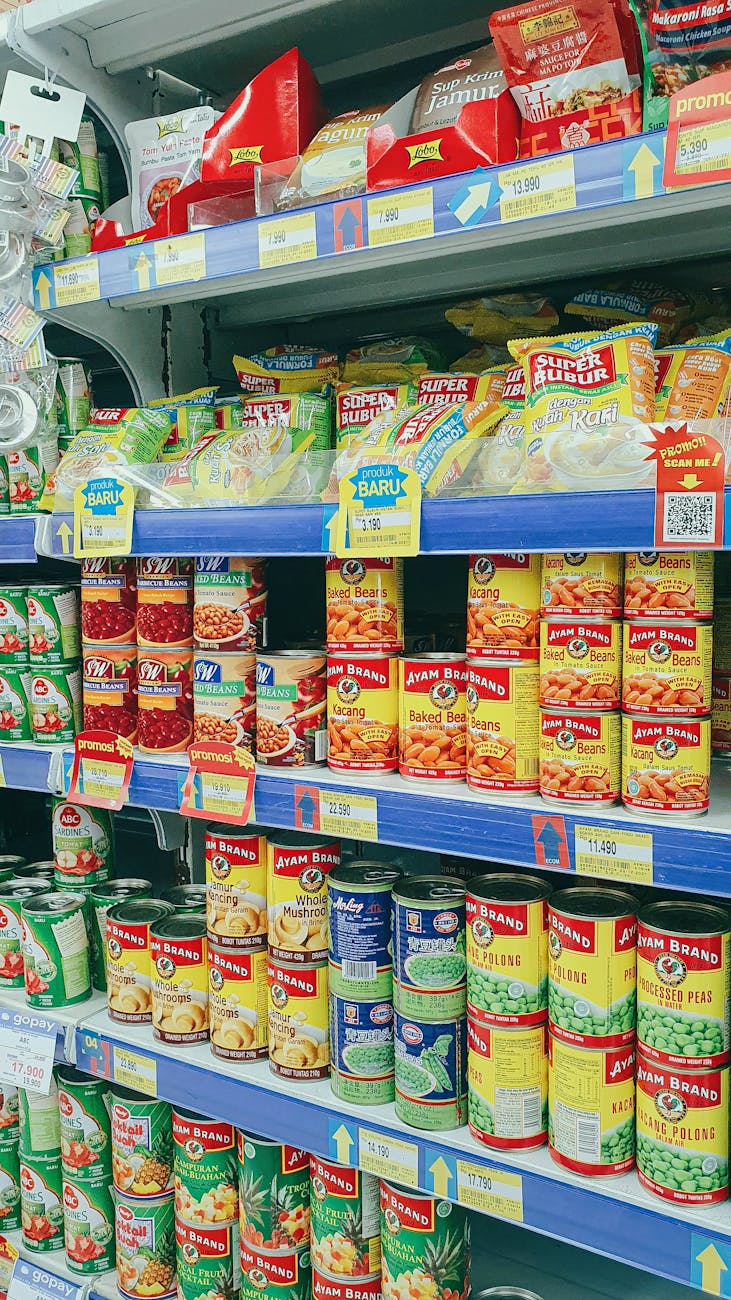
A groundbreaking study has uncovered a staggering number of chemicals from food packaging in human samples, sparking concerns about potential health risks. Researchers identified 3,601 chemicals from various packaging materials, including blood, hair, and breast milk. Among these chemicals are known endocrine disruptors and carcinogens, such as PFAS and phthalates, which have long been linked to hormone disruption and cancer. Although the study did not directly establish connections between these chemicals and specific illnesses, its findings highlight significant issues surrounding food safety and packaging practices.
Key Findings from the Study
The research, which analyzed samples from numerous individuals, revealed the widespread presence of chemicals commonly used in food packaging. High temperatures and fatty or acidic foods were identified as key factors that increase the leaching of these chemicals from plastic and paper packaging into the food we consume. PFAS (per- and polyfluoroalkyl substances) and phthalates, in particular, were prevalent in the samples studied. These substances are notorious for their potential to disrupt hormone systems and contribute to cancer risk.
PFAS, often referred to as “forever chemicals,” are used in a range of products for their water- and grease-resistant properties. They have been linked to various health issues, including immune system suppression and liver damage. Phthalates, used to make plastics more flexible, have also been associated with reproductive and developmental problems.
The Implications for Public Health
While the study does not directly link these chemicals to specific health conditions, it serves as a critical starting point for future research. The presence of such a high number of chemicals in human samples underscores the urgent need to investigate the potential health impacts of long-term exposure to these substances. As these chemicals are absorbed into the body through food, there is growing concern about their cumulative effects over time.
Dr. Jane Mitchell, a lead researcher on the study, emphasizes the need for more in-depth research. “Our findings provide a roadmap for future studies to explore the health implications of these chemicals. While we haven’t established direct links to illnesses yet, the prevalence of these substances in human bodies is concerning.”
Rethinking Food Packaging
The study’s revelations have sparked a broader conversation about food packaging and its impact on health. Many consumers are now questioning the safety of everyday food contact materials and considering ways to minimize their exposure to potentially harmful chemicals.
One immediate step individuals can take is to be more mindful of the types of food packaging they use. For instance, opting for glass or stainless-steel containers instead of plastic can reduce exposure to chemicals like phthalates. Similarly, choosing fresh or minimally processed foods can help avoid packaging materials that may leach chemicals into food.
Manufacturers and policymakers also have a role to play in addressing these concerns. There is an increasing call for stricter regulations and improved transparency regarding the chemicals used in food packaging. Advocacy groups are pushing for comprehensive testing and labeling requirements to help consumers make informed choices about the products they buy.
Industry Response and Future Directions
In response to the study, several food packaging companies have pledged to review their materials and practices. Some are exploring alternative packaging options that are less likely to leach harmful chemicals. Additionally, there is growing interest in developing biodegradable and non-toxic materials that can offer safer options for consumers.
Regulatory agencies are also being urged to reassess the safety standards for food packaging materials. Current regulations may not fully account for the potential long-term health effects of exposure to certain chemicals. As research continues, there may be a push for updated guidelines that better protect public health.
Dr. Emily Harris, a food safety expert, notes that “the study highlights an important issue that needs to be addressed at both the individual and systemic levels. We need to ensure that our food packaging is safe and that consumers are not inadvertently exposing themselves to harmful substances.”
Looking Ahead
As the research community delves deeper into the health implications of food packaging chemicals, it is crucial for individuals to stay informed and take proactive steps to reduce their exposure. The findings from this study serve as a reminder of the intricate relationship between our environment, the products we use, and our health.
While it will take time to fully understand the impact of these chemicals, the study underscores the importance of ongoing research and vigilance. In the meantime, being mindful of food packaging choices and advocating for safer practices can contribute to better health outcomes and a more informed public.
As this issue continues to evolve, consumers, manufacturers, and policymakers must work together to ensure that our food is not only delicious but also safe from harmful contaminants.




 PARYAWARAN
Leave a comment