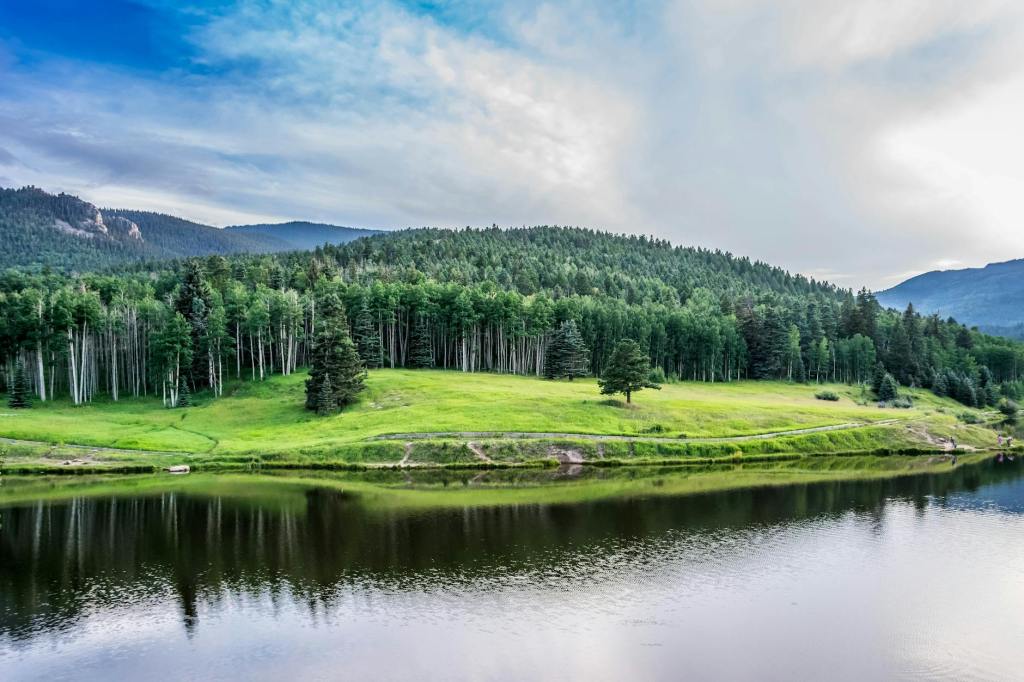
In an unprecedented move, ranchers, cyclists, and environmentalists have formed a powerful alliance known as the Thompson Divide Coalition to protect nearly 250,000 acres of Colorado’s pristine wilderness from oil and gas drilling. This coalition’s efforts culminated in a significant 20-year pause on new drilling leases, a decision that reflects a growing recognition of the need for collaboration across diverse interests in the realm of environmental conservation.
The Thompson Divide, located in the heart of Colorado’s Rocky Mountains, is a cherished landscape known for its stunning natural beauty and rich biodiversity. The coalition’s formation came in response to mounting concerns over the environmental impact of potential drilling activities in the area. This unexpected partnership brings together a variety of stakeholders, including local ranchers who rely on the land for grazing, cyclists who cherish its recreational opportunities, and conservationists dedicated to protecting the environment.
One of the key factors enabling this coalition to challenge existing drilling leases was the identification of legal vulnerabilities, particularly surrounding environmental review processes. The coalition’s ability to leverage these vulnerabilities allowed them to effectively advocate for the protection of the Thompson Divide, highlighting the significance of thorough environmental assessments in decision-making.
The Biden administration has responded positively to the coalition’s efforts, issuing a 20-year moratorium on new oil and gas drilling in the Thompson Divide. This pause grants Congress time to explore permanent protections for the area, signaling a shift in policy that prioritizes environmental integrity and public land conservation. The decision is seen as a substantial victory for the coalition, showcasing the influence of collaborative action in shaping environmental policy.
Key voices within the coalition have expressed optimism about the future of the Thompson Divide. “This campaign has done an extraordinary amount of good to right-size the value of public lands, the value of environmental values like historic cultural values on public lands that weren’t getting adequate consideration in the old paradigm,” said one coalition member, underscoring the importance of recognizing the multifaceted significance of these lands.
The alliance between ranchers and environmentalists illustrates a broader trend of cooperation among diverse groups in the fight against climate change and environmental degradation. By joining forces, these stakeholders are not only protecting their shared interests but also setting a precedent for how various sectors can work together to address pressing environmental challenges.
The coalition’s success in the Thompson Divide is also emblematic of a growing awareness about the need to balance economic interests with ecological preservation. As more communities recognize the long-term benefits of protecting natural landscapes, there is hope that similar coalitions will emerge in other regions facing environmental threats.
Public lands are crucial for maintaining ecosystems, preserving biodiversity, and combating climate change. The Thompson Divide Coalition’s efforts highlight the importance of safeguarding these areas from the potential harms of oil and gas development. Their work not only preserves the natural environment but also ensures that future generations can enjoy the recreational and cultural values these lands provide.
As the coalition continues to push for permanent protections, the outcome of their efforts will likely influence environmental policy at a national level. Their story serves as a reminder that when diverse groups come together with a shared vision, they can enact meaningful change and protect the landscapes that are vital to our planet’s health and resilience.
The success of the Thompson Divide Coalition is a testament to the power of unity in the face of environmental challenges. As they advocate for the preservation of this iconic Colorado landscape, they inspire other communities to explore the potential of collaborative efforts in the fight for a sustainable future.




 PARYAWARAN
Leave a comment