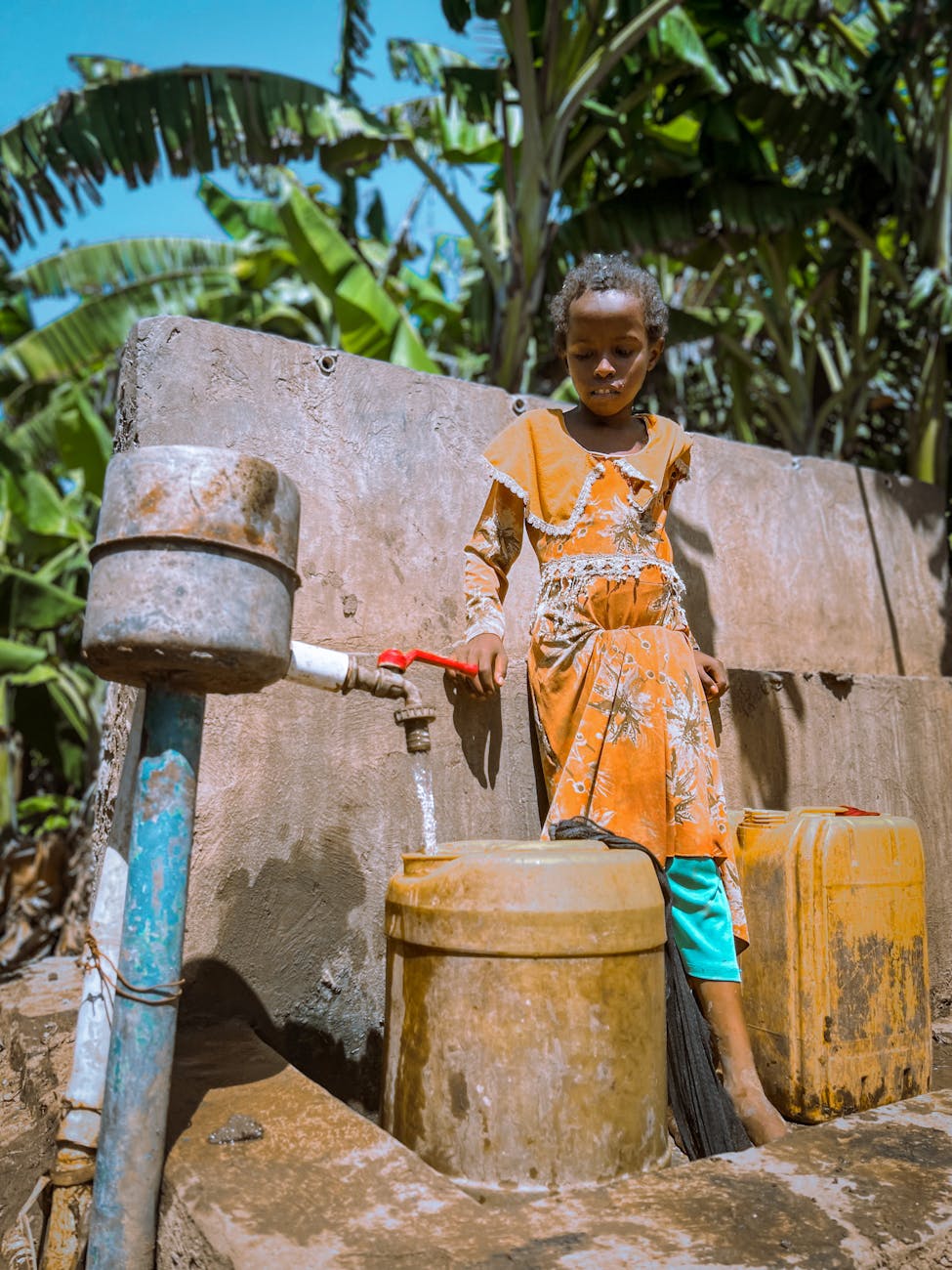
Somalia is grappling with a worsening climate crisis that compounds its ongoing struggles with poverty and conflict. The impacts of climate change are evident, as intensified droughts and floods lead to severe resource scarcity, fueling local tensions and violence. Approximately 4 million people are currently displaced, many living in makeshift camps with limited access to essential aid.
The link between climate change and conflict is particularly pronounced in Somalia. As resources dwindle due to environmental stresses, disputes over land and water escalate, deepening the cycle of instability. The humanitarian situation is critical, with calls for increased international support to address immediate needs and promote long-term resilience.
In response to these challenges, the Somali government is investing in renewable energy sources such as solar and wind power, aiming to reduce reliance on traditional energy and stimulate economic growth. Local communities are also taking initiative, implementing drought-resistant farming techniques and water conservation projects to adapt to changing conditions.
Despite these efforts, experts emphasize that global assistance is essential for meaningful progress. International funding is crucial not only for immediate relief but also for building infrastructure and capacity that can withstand future climate shocks.
Grassroots movements are gaining traction, with communities advocating for sustainable practices and policies. By collaborating and sharing resources, these groups demonstrate the potential for collective action to foster resilience.
While Somalia’s path forward is fraught with challenges, the spirit of its people offers hope for a sustainable future. With strategic investments and robust international support, there is potential for Somalia to emerge from its climate crisis stronger and more unified, ready to face whatever lies ahead.



 PARYAWARAN
Leave a comment