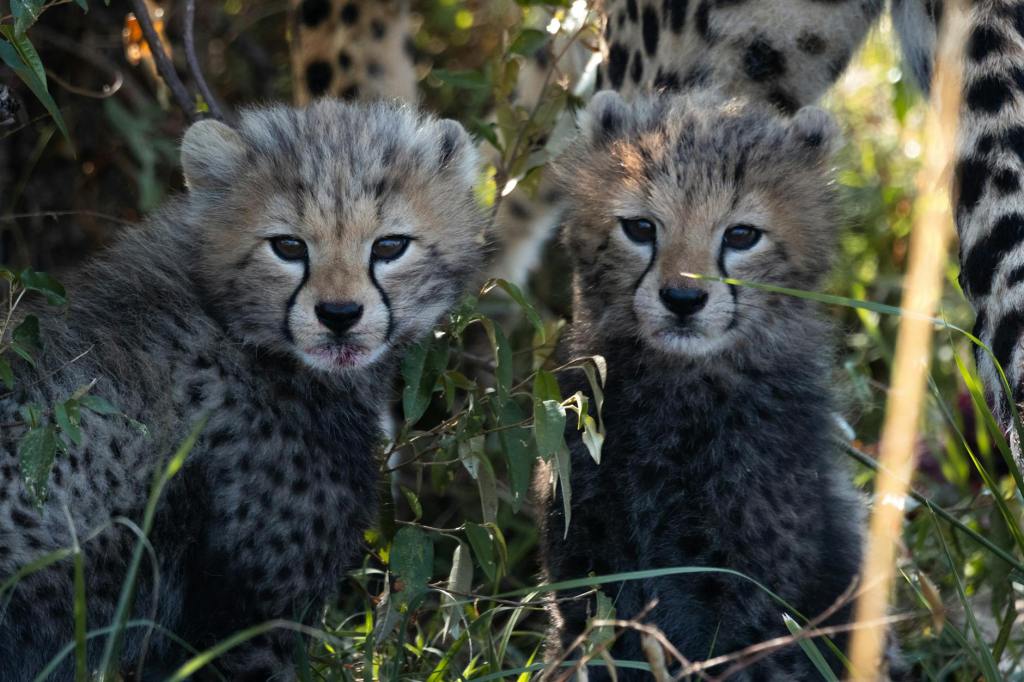
In a remarkable conservation milestone, four cheetah cubs have been born in Saudi Arabia, rekindling hopes for the species after its local extinction approximately 40 years ago. This event not only marks a significant achievement for wildlife conservation in the region but also reflects a growing commitment to restoring the natural heritage of the Arabian Peninsula.
The journey towards this achievement began with the discovery of ancient cheetah remains in northern Saudi Arabia. Archaeological findings revealed mummified cheetahs, dated between 120 and 4,000 years old, highlighting that a subspecies once thrived in these landscapes. This historical context has fueled the determination of researchers and conservationists to revive the cheetah population and restore it to its former habitat.
In response to the urgent need for conservation, the National Center for Wildlife (NCW) initiated a breeding program specifically designed for cheetahs. By employing advanced breeding techniques and focusing on genetic diversity, researchers have worked diligently to cultivate a healthy population of cheetahs. The successful birth of the four cubs is a pivotal step in this ambitious project, showcasing the effectiveness of captive breeding as a tool for conservation and laying the groundwork for future reintroduction efforts.
The initiative is closely aligned with the National Cheetah Conservation Strategy, which aims to restore ecosystems and enhance biodiversity throughout the region. Recognizing the vital role that apex predators like cheetahs play in maintaining ecological balance, the strategy underscores the importance of preserving native wildlife. Conservationists understand that the reintroduction of species can lead to profound ecological benefits, including the recovery of flora and fauna that have suffered due to habitat loss and degradation.
The Saudi Arabian project draws inspiration from successful reintroduction efforts around the world, particularly in Europe and North America. These initiatives have demonstrated how carefully managed rewilding can restore ecosystems and boost biodiversity. Valuable lessons from these cases, including habitat preparation, animal behavior, and community involvement, are being applied to ensure the successful reintegration of cheetahs into their natural habitats.
The birth of the cheetah cubs represents more than just a scientific success; it is a beacon of hope for conservationists and local communities alike. The excitement surrounding their arrival has sparked increased interest in wildlife conservation among residents, emphasizing the importance of education and awareness in fostering a sense of stewardship for the environment. Community engagement is crucial for the long-term success of the conservation strategy, as local support can help mitigate potential conflicts between humans and wildlife.
As plans for the eventual release of the cubs into the wild are developed, careful consideration will be given to ecological factors. Researchers will assess potential habitats to ensure they can support a viable cheetah population, taking into account prey availability, landscape connectivity, and human-wildlife interactions. Engaging local stakeholders in these discussions will be vital, fostering understanding and support for the reintroduction efforts.
The significance of this achievement cannot be overstated. It marks a hopeful chapter in the ongoing struggle to conserve endangered species and restore lost biodiversity. The resurgence of the cheetah in Saudi Arabia stands as a testament to the potential of dedicated conservation efforts, inspiring similar initiatives worldwide.
As the world watches, the story of these cubs serves as a powerful reminder of what can be accomplished when science, community, and conservation converge. The focus now shifts to nurturing these young cheetahs and preparing them for a life in the wild, where they can reclaim their place in the delicate balance of the ecosystem. With each passing day, the hope for a vibrant and sustainable future for cheetahs in Saudi Arabia grows stronger, showcasing the remarkable achievements possible through commitment and vision in wildlife conservation.




 PARYAWARAN
Leave a comment