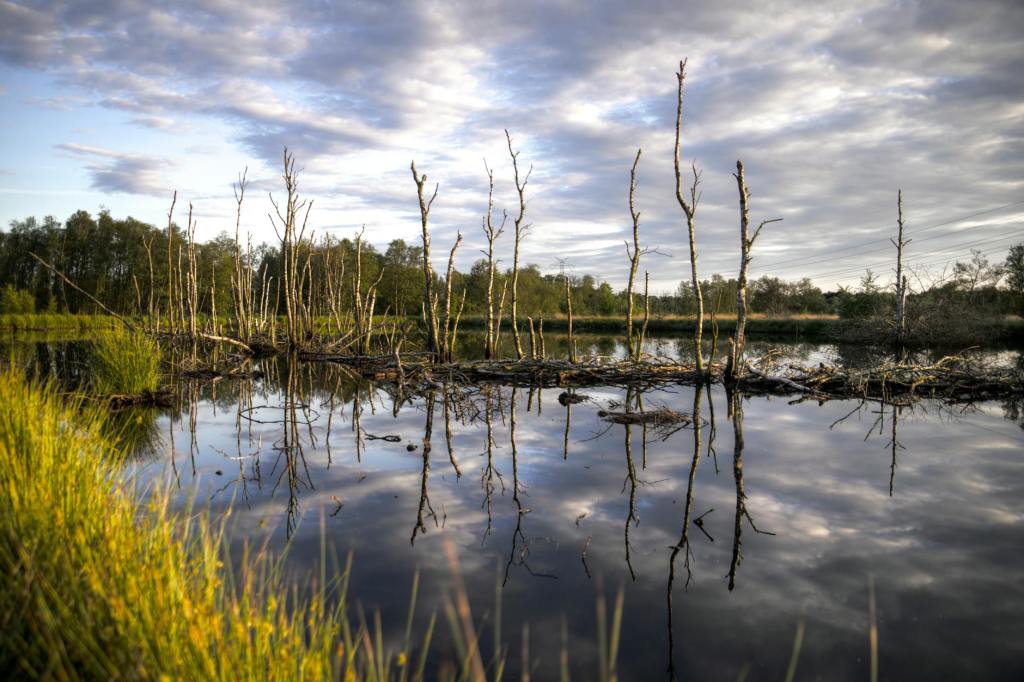
In recent years, the wetlands of Colombo, Sri Lanka’s bustling capital, have undergone a remarkable transformation from neglected and polluted areas to vital ecosystems essential for flood management and biodiversity. Once characterized by floating garbage and environmental degradation, these wetlands are now receiving much-needed attention through concerted efforts from both community members and government initiatives.
Historically, the wetlands surrounding Colombo were overlooked, their ecological significance largely ignored. However, with a growing awareness of their importance, local communities have banded together to restore these ecosystems. Initiatives like the formation of the Thalangama Wetland Watch exemplify the commitment of residents to reclaim their natural surroundings. Volunteers regularly organize clean-up drives, collecting sorted waste that is later sent for recycling by municipal authorities. Schoolchildren actively participate in these efforts, even kayaking through the waterways to remove invasive species like water hyacinth, further highlighting the community’s engagement in preserving their local environment.
Colombo’s wetlands play a critical role in managing the city’s flooding, as the city is situated within a river basin and is naturally prone to flood events. Research indicates that approximately 40% of floodwaters are absorbed by these wetland areas, which serve as natural buffers against water overflow. Beyond flood mitigation, wetlands also contribute significantly to carbon absorption, air purification, and temperature regulation. As climate change drives rising temperatures and erratic rainfall patterns, the importance of these wetlands for the city’s climate resilience becomes increasingly evident.
The history of neglect and pollution in these wetlands reached a turning point following catastrophic flooding in 2010 that affected nearly 700,000 residents and even submerged the country’s parliament building. This disaster prompted a reevaluation of government policies regarding urban planning and environmental conservation. In 2016, the government introduced the Metro Colombo Wetland Management Strategy, a comprehensive plan that incorporates wetlands into urban planning processes, prevents further loss of these critical areas, and fosters community involvement in conservation efforts.
Thanks to these initiatives, Colombo is now home to four designated wetland parks and numerous recreational spaces interconnected by wetland corridors. This strategic development not only enhances the city’s green spaces but also underscores the significance of wetlands as integral components of urban ecosystems.
Despite these advancements, challenges remain. Urban development continues to pose a significant threat to the wetlands, which have already lost considerable land area since 2009. The rapid expansion of Colombo’s urban population following the end of the civil war led to extensive construction, draining wetlands to make way for housing, commercial enterprises, and infrastructure projects. A 2024 study revealed that Colombo has lost approximately 2.12 square kilometers (0.8 square miles) of wetland area, a troubling trend that exacerbates the city’s vulnerability to flooding.
The same study highlighted the stark contrast between wetlands and built-up areas in terms of flood absorption capabilities. Wetlands were found to absorb an impressive 62.1 millimeters more floodwater compared to developed areas. This data underscores the critical role that wetlands play in mitigating flood risks, emphasizing the urgent need for ongoing restoration and protection efforts.
In recent years, there has been a positive shift in attitudes towards the wetlands, with residents increasingly recognizing their value to the city. The community’s collective action reflects a growing understanding that healthy wetlands are essential for reducing flooding risks, improving air quality, and preserving local biodiversity. Nonetheless, this newfound awareness must translate into sustained efforts to combat the pressures of urbanization and environmental degradation.
To maintain the progress achieved so far, continued collaboration between the government, local communities, and environmental organizations is essential. Enhanced education and awareness campaigns can further empower residents to take part in wetland conservation, ensuring that these vital ecosystems receive the attention they deserve.
As Colombo navigates the complexities of urban growth and climate change, the restoration of its wetlands stands out as a crucial element of its sustainability strategy. The city’s commitment to safeguarding these areas not only enhances its resilience to natural disasters but also enriches the lives of its residents by promoting biodiversity and improving overall quality of life.
In conclusion, the transformation of Colombo’s wetlands from waste dumps to thriving ecosystems is a testament to the power of community engagement and government policy. While challenges persist, the collaborative efforts underway offer a hopeful vision for the future, highlighting the importance of preserving natural resources in the face of urban development and climate change. Without continued action, however, the risks of increased flooding, pollution, and biodiversity loss loom large, threatening both the environment and the well-being of the city’s residents. The future of Colombo’s wetlands ultimately depends on the commitment of all stakeholders to protect and restore these invaluable natural assets.




 PARYAWARAN
Leave a comment