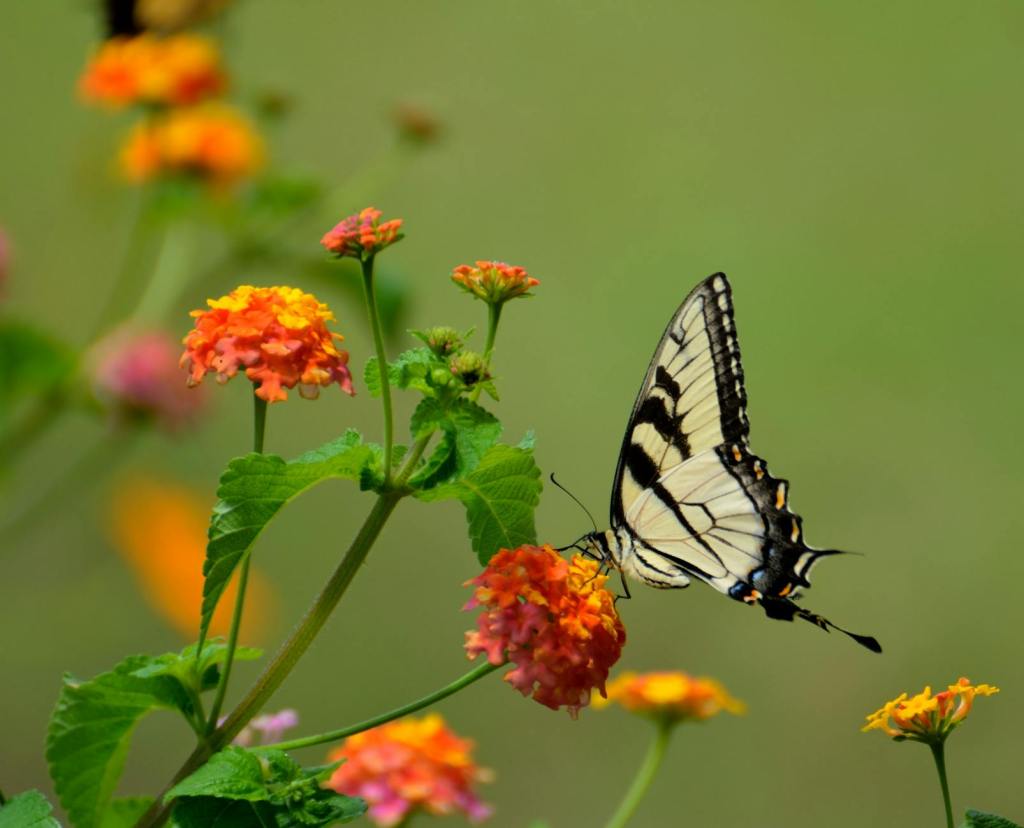
A recent report has revealed a staggering nearly 50% decline in UK butterfly populations in 2024, raising alarms about the fragility of the country’s ecosystems. This drastic reduction is attributed to habitat loss and the increased use of pesticides, which threaten not only butterfly populations but also the wider ecological balance essential for food security and climate resilience.
The alarming data serves as a critical indicator of the broader issues plaguing natural systems in the UK. As butterfly populations continue to plummet, it becomes increasingly clear that the health of these pollinators reflects the overall state of the environment. Butterflies play a vital role in pollination, which is crucial for many crops and wild plants. Their decline signals potential challenges for agricultural productivity and biodiversity, prompting calls for immediate action.
Experts highlight the importance of restoring and preserving natural habitats to maintain biodiversity. Without these essential ecosystems, the food production systems that depend on them are at risk. The ongoing challenges posed by climate change only exacerbate these issues, making the need for effective strategies more pressing than ever.
In light of the findings, there is an emerging consensus that urban planning and development can play a significant role in wildlife recovery. Recent discussions around housebuilding initiatives present opportunities to create “wild belts”—areas that support local wildlife and provide corridors for species to thrive amidst urbanization. Such measures can enhance biodiversity in urban settings, offering a refuge for butterflies and other species that are struggling due to habitat fragmentation.
Furthermore, the modernization of national parks is advocated as a means to focus on biodiversity conservation while strengthening urban connections. This dual approach aims to not only protect existing natural areas but also ensure that these environments are accessible and beneficial to surrounding communities. By integrating biodiversity goals into development and conservation efforts, there is potential to create sustainable ecosystems that benefit both wildlife and human populations.
The data on butterfly populations is seen as a “warning from nature,” reflecting the extent to which human activities have compromised the resilience of natural systems. As ecosystems become increasingly unstable, the repercussions can extend beyond environmental degradation, impacting food systems and the economy. The interdependence between healthy ecosystems and human well-being underscores the urgency of addressing these declines.
While the statistics may seem dire, they also serve as a rallying point for conservation efforts. Increased awareness of the plight of butterflies and other pollinators can lead to greater public engagement and support for environmental initiatives. Communities are encouraged to participate in local conservation projects, habitat restoration, and sustainable practices that can contribute to reversing these trends.
The call to action is clear: without immediate and concerted efforts to restore habitats, reduce pesticide use, and promote biodiversity, the decline of butterfly populations will continue, posing significant risks to ecosystem stability and food security. The situation presents an opportunity for individuals, organizations, and policymakers to collaborate on solutions that protect and enhance natural habitats, ultimately benefiting both wildlife and human communities.
The decline of butterfly populations in the UK is not just a matter of concern for environmentalists; it is a critical indicator of the health of the entire ecosystem. As the UK faces ongoing environmental challenges, the lessons learned from the plight of butterflies may serve as a guide for more sustainable practices and policies aimed at preserving biodiversity. The path forward requires a united effort to nurture the delicate balance of nature, ensuring that ecosystems remain resilient in the face of change.



 PARYAWARAN
Leave a comment