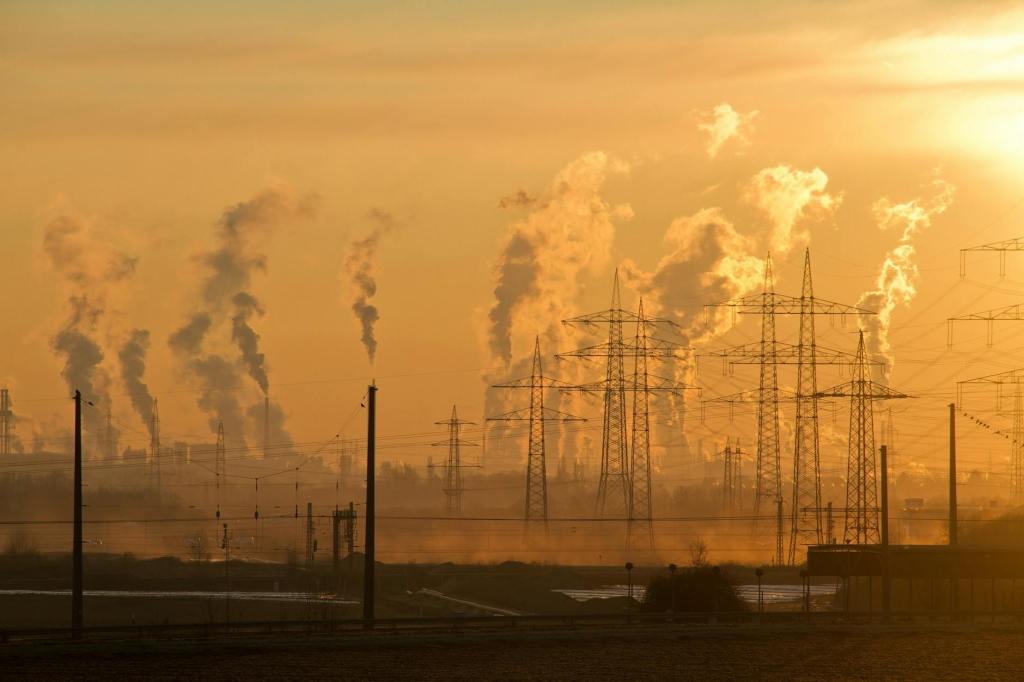
In a significant milestone for environmental progress, Britain has officially shut down its last coal-fired power station, Ratcliffe-on-Soar, concluding over 200 years of coal dependency that has shaped the nation’s industrial landscape. This landmark event not only highlights the country’s commitment to reducing carbon emissions but also serves as a testament to the rapid transitions occurring within the global energy sector.
Ratcliffe-on-Soar, located in Nottinghamshire, has been operational for 57 years, contributing to the country’s electricity supply for generations. The power station’s closure symbolizes a broader shift in Britain’s energy policy, prioritizing cleaner and more sustainable sources of power. As the first nation in the G-7 group of industrialized countries to eliminate coal power, Britain is setting a precedent for others to follow.
The transition away from coal has been a gradual process, driven by a combination of governmental policies, advancements in renewable energy technologies, and a growing public awareness of climate change issues. Over the past decade, Britain has invested heavily in renewable energy sources such as wind, solar, and hydroelectric power. These efforts have significantly reduced the nation’s reliance on fossil fuels, which have historically played a pivotal role in its economy.
Former workers of the Ratcliffe-on-Soar power station expressed a mix of pride and nostalgia as the facility closed its doors. Many reflected on their years of service and the importance of coal in powering the nation during pivotal moments in history. “It’s hard to say goodbye to a place that has been part of my life for so long,” said John Smith, a former employee. “But I understand the importance of moving away from coal for the sake of the environment and future generations.”
Despite the emotional weight of this transition, the closure is emblematic of a growing awareness of the need for sustainable energy solutions. The British government has set ambitious targets to reach net-zero carbon emissions by 2050, with the coal phase-out being a key component of this strategy. As coal-fired power plants around the world face increasing scrutiny, Britain’s decision reflects a global shift toward cleaner energy alternatives.
The closure of Ratcliffe-on-Soar is part of a broader trend across Europe, where many countries are reassessing their energy portfolios in light of climate commitments and the urgent need to mitigate global warming. Nations such as Germany and Spain are also moving to reduce their reliance on coal, with plans to phase out coal-fired power generation within the next few years.
Analysts suggest that Britain’s coal phase-out could serve as a blueprint for other economies, especially those heavily reliant on fossil fuels. The transition not only emphasizes the need for policy changes and investment in renewable energy but also underscores the importance of worker retraining and support for communities affected by the closure of coal facilities.
As the nation moves forward, there is optimism about the potential for new jobs in the renewable energy sector. The government is promoting initiatives to retrain former coal workers in solar, wind, and other clean energy technologies, aiming to facilitate a just transition for those who have depended on coal-related jobs.
The closure of the Ratcliffe-on-Soar power station is more than just the end of coal power in Britain; it represents a significant step towards a cleaner, more sustainable future. The energy transition is a complex journey, but the lessons learned from Britain’s experience can inspire and guide other countries as they navigate similar paths.
As the lights dimmed one last time at Ratcliffe-on-Soar, the echoes of a bygone era lingered, accompanied by a collective hope for a greener, more sustainable tomorrow. Britain’s decisive move away from coal stands as a beacon of change, signaling that a new era of energy production is not only possible but essential for the health of the planet.




 PARYAWARAN
Leave a comment