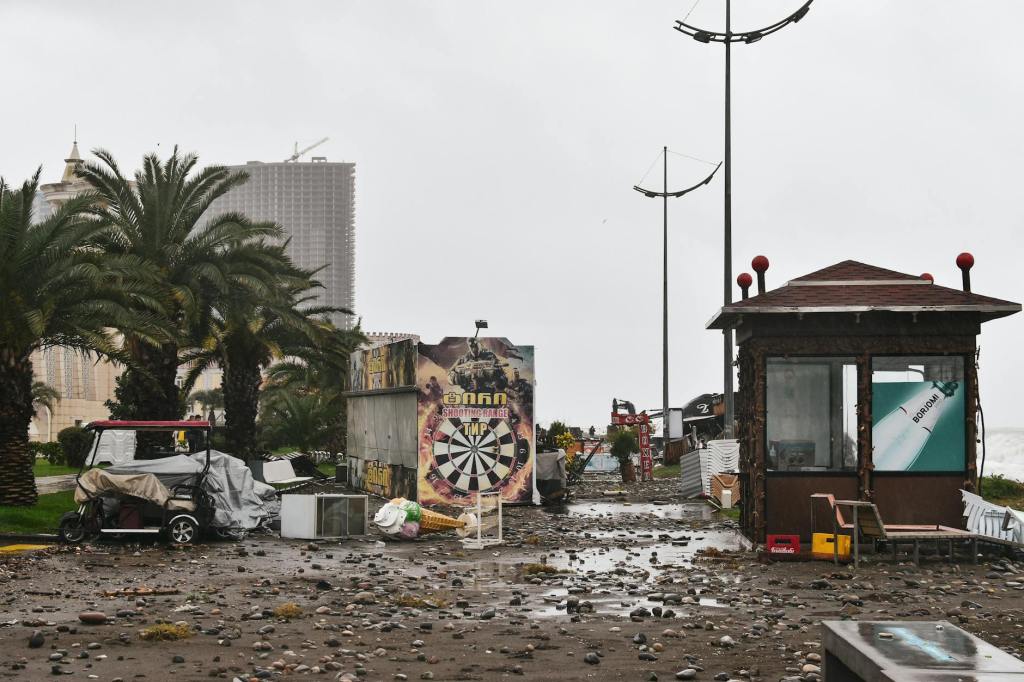
Asheville, North Carolina, a city once lauded for its climate resilience, now finds itself grappling with the aftermath of Hurricane Helene, which has wreaked unprecedented havoc on the region. The storm, fueled by record-breaking heat and atmospheric changes linked to climate change, has led to catastrophic flooding, destruction of infrastructure, and a tragic loss of life, leaving Asheville in a state of emergency.
The storm has claimed over 100 lives across five states, with nearly a third of those fatalities occurring in the Asheville area. The flooding, described by local officials as the worst in recent history, has inundated neighborhoods, damaged homes, and disrupted essential services. Roads have been rendered impassable, isolating communities and complicating rescue and recovery efforts.
For years, Asheville was marketed as a climate haven, attracting newcomers with its natural beauty and perceived safety from extreme weather events. However, Hurricane Helene has shattered this illusion, prompting residents and experts alike to question the viability of such so-called “climate refuge” cities. As climate change intensifies, the parameters of safety are shifting, and areas once deemed secure may no longer be immune to catastrophic weather events.
“This storm has the fingerprints of climate change all over it,” stated Dr. Emily Jenkins, a climate scientist at the University of North Carolina. She explained that the combination of warmer ocean waters and atmospheric instability has created a perfect storm for extreme weather, resulting in the severity of Hurricane Helene. “What we are witnessing is a harbinger of the new normal,” she added.
As the waters recede, the true scale of the damage is becoming apparent. Homes that once stood resilient against storms are now uninhabitable, and local businesses face an uncertain future as they assess the losses. The recovery process is expected to be lengthy and complicated, with estimates suggesting it could take years for the city to rebuild. The challenge of balancing immediate recovery efforts with long-term climate adaptation strategies looms large.
City officials are now faced with critical decisions about how to move forward. Questions arise about infrastructure investment, community resilience, and whether to rebuild in flood-prone areas.
Asheville’s plight serves as a cautionary tale for other cities that consider themselves safe havens from the impacts of climate change. The devastation wrought by Hurricane Helene underscores the unpredictable nature of climate-related disasters and challenges the concept of permanence in urban planning.
Hurricane Helene Devastates Asheville, Once a Climate Refuge
Asheville, North Carolina, a city once lauded for its climate resilience, now finds itself grappling with the aftermath of Hurricane Helene, which has wreaked unprecedented havoc on the region. The storm, fueled by record-breaking heat and atmospheric changes linked to climate change, has led to catastrophic flooding, destruction of infrastructure, and a tragic loss of life, leaving Asheville in a state of emergency.
The storm has claimed over 100 lives across five states, with nearly a third of those fatalities occurring in the Asheville area. The flooding, described by local officials as the worst in recent history, has inundated neighborhoods, damaged homes, and disrupted essential services. Roads have been rendered impassable, isolating communities and complicating rescue and recovery efforts. The local government has issued urgent calls for assistance, emphasizing the need for immediate support as they begin to assess the extensive damage.
For years, Asheville was marketed as a climate haven, attracting newcomers with its natural beauty and perceived safety from extreme weather events. However, Hurricane Helene has shattered this illusion, prompting residents and experts alike to question the viability of such so-called “climate refuge” cities. As climate change intensifies, the parameters of safety are shifting, and areas once deemed secure may no longer be immune to catastrophic weather events.
“This storm has the fingerprints of climate change all over it,” stated Dr. Emily Jenkins, a climate scientist at the University of North Carolina. She explained that the combination of warmer ocean waters and atmospheric instability has created a perfect storm for extreme weather, resulting in the severity of Hurricane Helene. “What we are witnessing is a harbinger of the new normal,” she added.
As the waters recede, the true scale of the damage is becoming apparent. Homes that once stood resilient against storms are now uninhabitable, and local businesses face an uncertain future as they assess the losses. The recovery process is expected to be lengthy and complicated, with estimates suggesting it could take years for the city to rebuild. The challenge of balancing immediate recovery efforts with long-term climate adaptation strategies looms large.
City officials are now faced with critical decisions about how to move forward. Questions arise about infrastructure investment, community resilience, and whether to rebuild in flood-prone areas. “We must learn from this disaster,” said Mayor Sarah Thompson. “We need to rethink our approach to urban planning and ensure that we are prepared for the realities of climate change moving forward.”
Asheville’s plight serves as a cautionary tale for other cities that consider themselves safe havens from the impacts of climate change. The devastation wrought by Hurricane Helene underscores the unpredictable nature of climate-related disasters and challenges the concept of permanence in urban planning.
The storm has catalyzed a collective reckoning about climate vulnerability, forcing both the city and its inhabitants to confront an uncertain future shaped by increasingly extreme weather patterns. The road to recovery will require not only resilience but also a fundamental rethinking of how communities adapt to a warming world.




 PARYAWARAN
Leave a comment