As the impacts of climate change intensify, a significant gap remains in the funding promised by wealthy nations to assist developing countries grappling with climate-induced disasters. The UN’s loss-and-damage fund, established in 2023, aimed to provide crucial support for vulnerable nations, but progress has been disappointingly slow.
To date, the fund has raised only $680 million, a stark contrast to the estimated $580 billion needed annually by 2030 to address the escalating damages caused by climate change. The disparity highlights the urgent need for wealthier nations to follow through on their commitments, particularly as COP29 approaches, where broader climate finance issues are set to dominate discussions.
Developing countries have long been at the forefront of climate-related challenges, often facing severe consequences despite contributing minimally to global emissions. From devastating floods to prolonged droughts, these nations are forced to bear a disproportionate burden, underscoring the ethical imperative for wealthier countries to provide adequate support.
Critics argue that the slow pace of funding undermines the very purpose of the loss-and-damage fund, which was created to facilitate recovery and adaptation for those most affected by climate change. The current level of funding not only falls short of the urgent financial requirements but also raises concerns about the long-term sustainability of recovery efforts in the hardest-hit areas.
The upcoming discussions at COP29 will likely explore broader climate finance issues, potentially overshadowing the specific needs of the loss-and-damage fund. As negotiations unfold, many fear that without a renewed commitment from wealthy nations, developing countries may continue to struggle in the face of increasingly frequent and severe climate events.
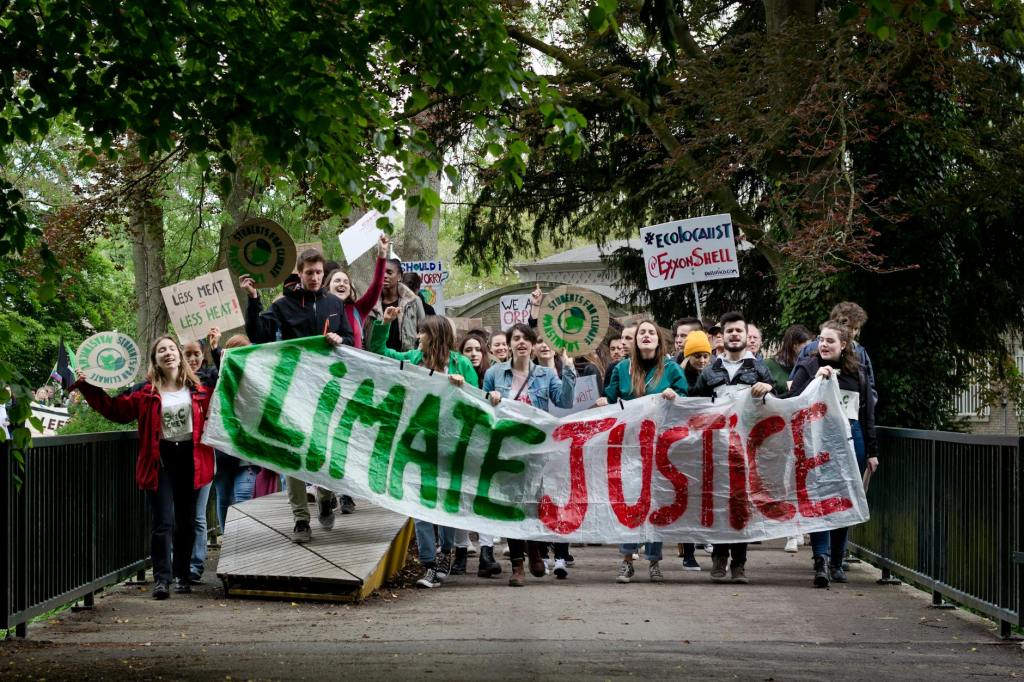
The situation demands immediate action and solidarity. Advocates for climate justice emphasize that addressing the funding shortfall is not just a matter of economic support; it is also about recognizing the moral responsibility of affluent nations to aid those suffering the most from climate change.
As the clock ticks toward COP29, the pressure mounts for wealthy nations to demonstrate their commitment to meaningful climate reparations. Without significant new contributions, the future remains uncertain for countless communities already grappling with the harsh realities of a changing climate. The stakes could not be higher, as the lives and livelihoods of millions hang in the balance.




 PARYAWARAN
Leave a comment