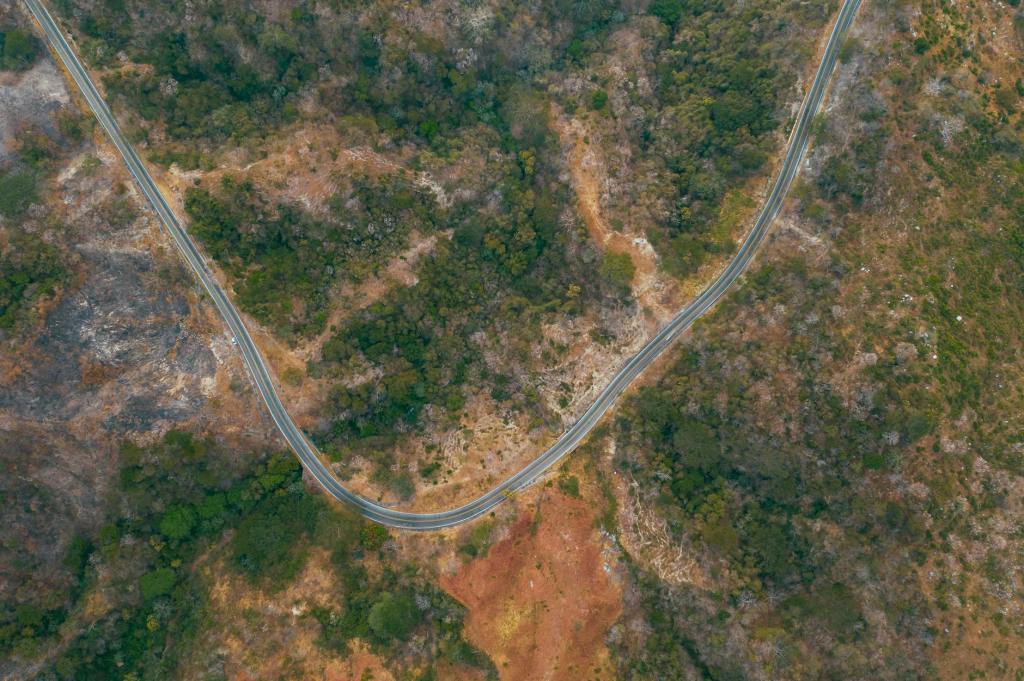
In the Isthmus of Tehuantepec, Mexico, a new industrial project is raising alarms as it threatens to reshape diverse ecosystems into industrial landscapes. While government officials promote the initiative as a catalyst for economic growth, environmentalists and local communities are sounding the alarm over its potential dangers to biodiversity, water resources, and Indigenous ways of life.
The Interoceanic Corridor is intended to serve as a transportation and industrial hub, linking the states of Oaxaca and Veracruz. This ambitious development plan involves clearing extensive tracts of forest and jungle, which house a wealth of plant and animal species. Government assessments suggest that this transformation could result in the extinction of thousands of animal species and the pollution of air, water, and soil. Environmental advocates argue that the ecological damage from such widespread industrialization could be irreversible.
Concerns are particularly acute regarding water scarcity in the region. The Isthmus contains vital water sources that are essential for both local communities and surrounding ecosystems. Experts warn that redirecting water for industrial purposes could severely limit access to clean water, worsening ongoing challenges related to resource management.
Indigenous communities, who rely on the natural resources of the Isthmus for their livelihoods, have raised serious concerns about the lack of meaningful consultation regarding the project’s environmental ramifications. Many community representatives claim their voices have been sidelined in discussions about the Corridor, highlighting issues of land rights and environmental justice. For these communities, the land represents much more than a mere resource; it is deeply connected to their cultural identity and way of life.
Activists argue that the situation is not just an environmental crisis but also a significant social injustice. They contend that the government’s focus on industrial growth neglects the rights and needs of those who have coexisted with the land for generations. As the ecological landscape is altered, the fragile balance that has supported local communities and wildlife is at risk.
Critics of the Interoceanic Corridor caution that prioritizing economic development through industrialization often carries a steep environmental cost, particularly for Indigenous populations. The rapid development model promoted by the government has sparked calls for a more sustainable approach—one that values biodiversity preservation and honors the rights of local communities. Many advocate for alternative strategies that prioritize ecological integrity and social equity.
As the project advances, the voices of those most affected by the impending changes continue to resonate with calls for justice and preservation. Without genuine dialogue and engagement with Indigenous communities, there is a real danger that the industrial corridor will not only transform the landscape but also signal a broader disregard for the intricate connections between people, nature, and culture.
The situation unfolding in the Isthmus of Tehuantepec serves as a poignant reminder of the complexities surrounding development initiatives. As Mexico charts its course toward economic advancement, it faces the critical challenge of balancing progress with the need to protect its rich natural heritage and the rights of its diverse populations. The events in this biodiverse region underscore the urgent necessity for a more inclusive and environmentally sustainable approach to development.




 PARYAWARAN
Leave a comment