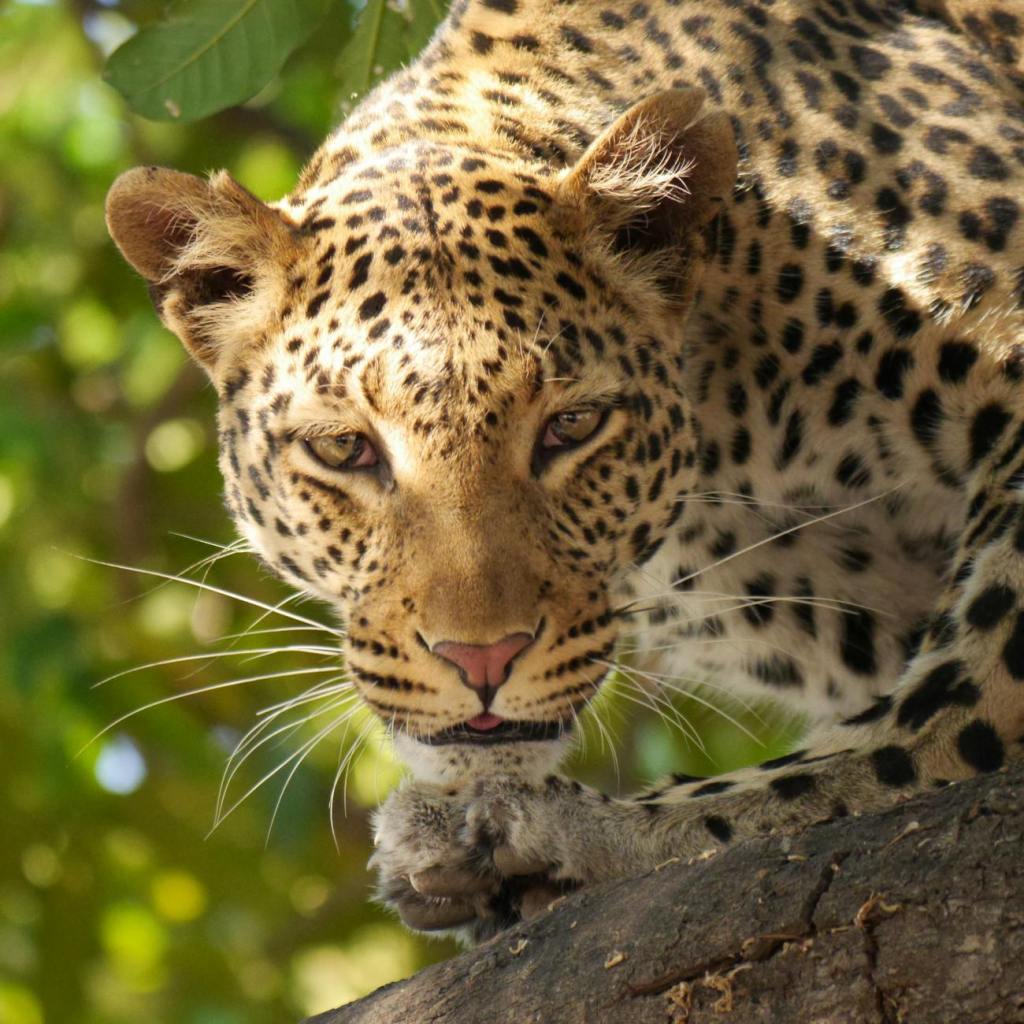
A recent study by the Zoological Survey of India (ZSI) has uncovered significant human-wildlife conflicts affecting nearly half of Himachal Pradesh. The report highlights the growing tensions between local communities and populations of Asiatic black bears and common leopards, which have been responsible for numerous livestock attacks and crop damage.
This comprehensive study is part of a larger initiative that began in 2021, following a memorandum of understanding between the Himachal Pradesh Forest & Wildlife Department and ZSI. The project aims to assess the extent of human-wildlife conflict, design management strategies, and estimate the populations of key species within the region.
The study identifies that 49.5 percent of surveyed areas in the state are grappling with these conflicts, particularly in regions such as Chamba, Kullu, Mandi, Kinnaur, Lahaul & Spiti, and parts of Sirmaur. Of the identified conflicts, black bears contribute to 18.65 percent, while leopards account for 30.85 percent. The ZSI estimates that there are approximately 529 black bears and 510 leopards throughout Himachal Pradesh, with 307 bears and 333 leopards recorded during the survey.
Predation on livestock is a primary concern, with sheep and goats comprising 83.79 percent of the attacks. Cattle and horses are also affected, along with occasional predation of dogs by leopards. Notably, no incidents of dog attacks by black bears were reported.
The ZSI study, titled “Population Estimation & Assessment of Human-Wildlife Conflict,” surveyed 72 forest ranges divided into 1,514 grids, each measuring 5×5 km. The findings were presented during the 73rd Wildlife Week in Shimla, where the survey team discussed the correlation between the expansion of human settlements near forested areas and the rise in conflicts.
The study recommends several measures to mitigate these issues, including promoting clustered village settlements, forming rescue teams, and enhancing public awareness about coexistence with wildlife. Additionally, it emphasizes the importance of understanding seasonal behavior, noting that black bear attacks peak during summer and autumn, while leopard predation varies by region.
Public sentiment regarding wildlife conflicts was gauged through a survey of 1,298 residents, with many identifying leopards as the primary threat to livestock. The study also noted the presence of elusive species such as musk deer and barking deer, though these were not the primary focus of the research.



 PARYAWARAN
Leave a comment