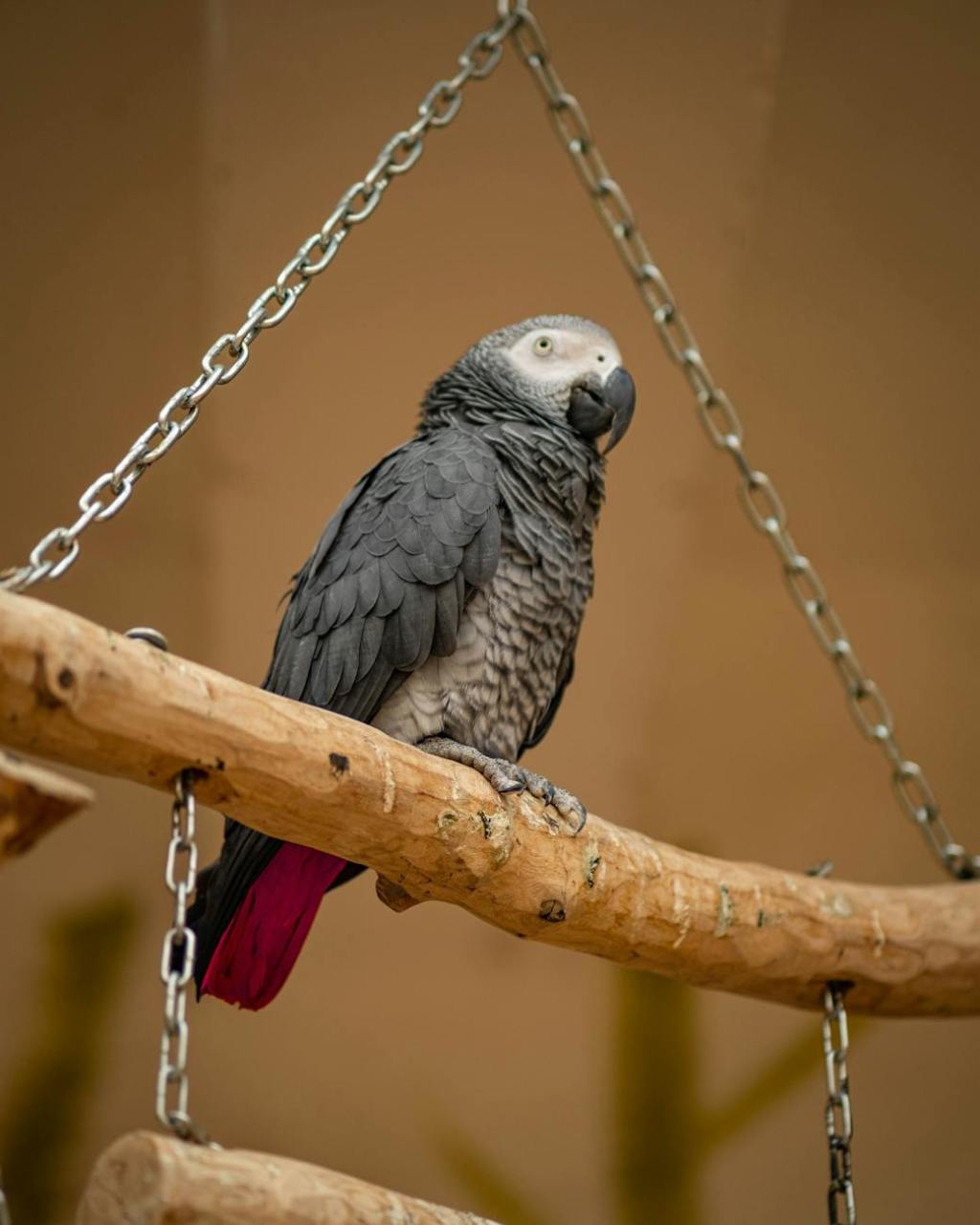
The Intricate Dance of Parrot Farming and Wildlife Conservation
Parrots have long captivated human hearts with their dazzling colors and charming personalities. Yet, today, nearly one-third of the world’s 400 parrot species face extinction, with dramatic declines reported in populations like the African grey parrot. Once abundant across West and Central Africa, its numbers have dwindled by up to 99% in some areas since the early 1990s.
In response to these concerning trends, commercial parrot farming has surged. South Africa now stands as the leading exporter, sending over a million parrots from more than 120 species to markets primarily in the Middle East and South Asia. Advocates argue that breeding parrots for sale could alleviate pressure on wild populations and bolster local economies. However, the reality is more complex, and the effectiveness of such practices in conserving wild parrots is under scrutiny.
Researchers have recently embarked on a thorough investigation into the relationship between parrot farming and wildlife conservation. Their comprehensive review included scientific papers, NGO reports, and policy documents, focusing on 16 threatened parrot species heavily traded or at risk due to unsustainable practices.
To evaluate the potential of parrot farming as a conservation strategy, the researchers identified five key criteria:
- Preference: It’s essential that captive-bred parrots be appealing enough to replace wild-caught ones. If consumers favor wild birds, the demand will continue to threaten their survival.
- Supply: Breeding operations must satisfy consumer demand without encouraging illegal trade. A deep understanding of market dynamics is crucial to prevent inadvertently intensifying pressures on wild populations.
- Cost: For captive-bred parrots to serve as substitutes, they must be more affordable than their wild counterparts. If wild birds remain cheaper, the illegal market will thrive.
- Restocking: Sustainable breeding must not rely on extracting more parrots from the wild. Operations need to ensure they can breed enough parrots to meet market demands without depleting wild populations.
- Parrot Laundering: Effective regulatory systems are vital to prevent wild parrots from being disguised as captive-bred. Strong law enforcement must ensure that legal trade does not mask illegal activities.
Despite these guiding criteria, significant knowledge gaps persist. There is a lack of data on how many threatened parrots are successfully bred in captivity and how consumer demand for these birds is shifting. Furthermore, understanding how the trade of one species might stimulate demand for others is essential, as buyers often shift from smaller, cheaper parrots to rarer species as their interest grows.
The rise of parrot farming poses several risks. Countries across Africa, Asia, Europe, North America, South America, and Oceania are attempting to profit from farming threatened parrot species. There are concerns that easing regulations on common parrots could inadvertently boost demand for already endangered species. For instance, recent studies reveal that entrepreneurs in Singapore and the Philippines are farming critically endangered species like the yellow-crested cockatoo and the Philippine cockatoo. Meanwhile, China’s move to relax wildlife farming laws could further complicate efforts to protect these birds.
Animal welfare issues also loom large in the discussion of parrot farming. Large-scale operations can lead to poor living conditions, potential disease outbreaks, and the introduction of invasive species, all of which can threaten local ecosystems and agriculture.
Navigating the challenges of parrot conservation calls for a reassessment of regulatory frameworks. Expanding commercial farming may not yield the conservation benefits hoped for. Alternative approaches could be more effective in protecting endangered species.
Reducing consumer demand for parrots as pets is one way to alleviate pressure on wild populations. Strengthening law enforcement to combat illegal wildlife trade is equally crucial. Additionally, supporting communities involved in the parrot trade by developing alternative livelihoods could provide sustainable economic opportunities while minimizing reliance on parrot farming.
By integrating these strategies, significant progress can be made in safeguarding threatened parrot species and their habitats. Without solid data and evidence, policymakers risk enacting decisions that could inadvertently harm wild populations and allow illegal markets to flourish.
Ultimately, the future of parrots hinges on a nuanced understanding of the relationship between commercial farming and conservation. While parrot farming may offer a potential pathway to relieve pressure on wild populations, it demands careful regulation and ethical practices. Only through informed collaboration can we strike a balance between human interests and wildlife conservation, ensuring that these remarkable birds continue to thrive in their natural habitats.



 PARYAWARAN
Leave a comment