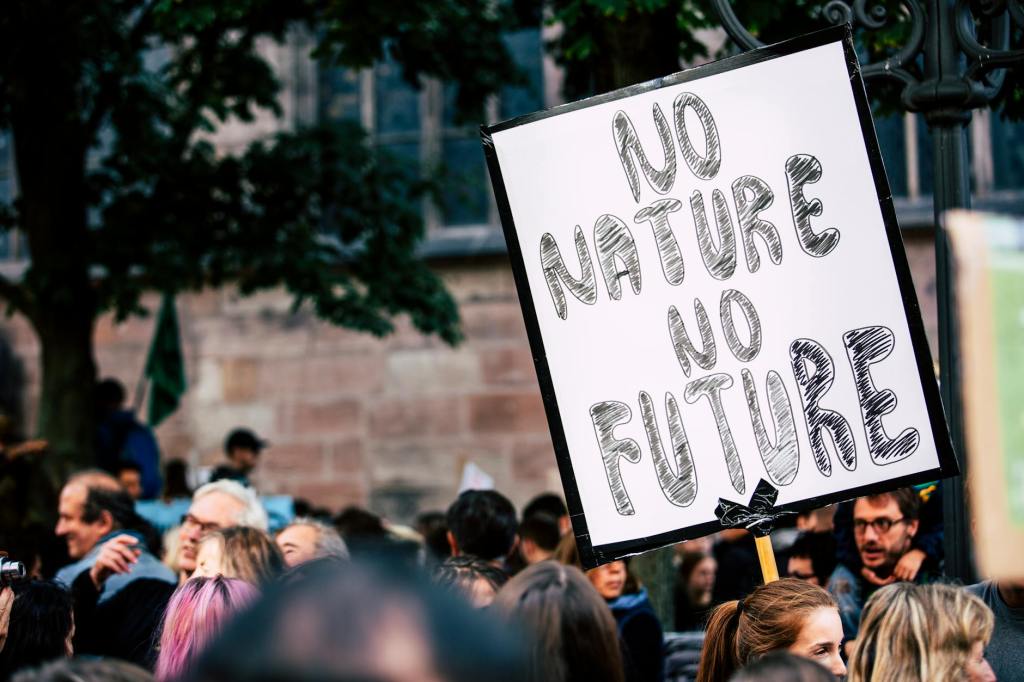
As the COP16 biodiversity summit in Colombia approaches, a startling revelation has surfaced: over 85% of countries are expected to miss the UN’s deadline for submitting new biodiversity commitments. This alarming trend, highlighted in a joint investigation by Carbon Brief and The Guardian, underscores a critical moment in the fight against global biodiversity loss.
Scheduled to take place in Cali from October 21 to November 1, COP16 aims to confront the pressing crisis of biodiversity decline. Yet, the lack of updated national biodiversity strategies and action plans (NBSAPs) from many nations raises significant red flags. These strategies are essential for outlining concrete actions to protect ecosystems and halt species extinction.
Among the G7 countries, three have notably failed to produce new national pledges, reflecting a broader pattern of inaction. Alarmingly, only five out of 17 “megadiverse countries”—which host 70% of the world’s biodiversity—have submitted new commitments. This gap in pledges signals a worrying lack of urgency in tackling a crisis that affects us all.
The situation is especially dire for Brazil, Peru, and Colombia, the three nations that hold most of the Amazon rainforest. Their failure to present new conservation plans before the summit raises serious questions about their dedication to protecting this vital ecosystem, often called the “lungs of the Earth.” The Amazon is crucial for climate regulation and is home to countless species, making its preservation essential for both environmental and human health.
Similarly, the Congo Basin, the second-largest rainforest globally, faces a stark reality. All six countries responsible for this critical region have missed the deadline for new biodiversity commitments. Given its importance for carbon storage and biodiversity, the lack of action from these nations is deeply concerning.
Environmental representatives have cited “technical difficulties” and “structural barriers” as key reasons for their inability to meet the deadline. Challenges such as lengthy stakeholder consultations and delays from recent elections have hampered progress, leaving nations ill-equipped to respond to the biodiversity crisis.
The context of this investigation is sobering: biodiversity is declining at an unprecedented rate. Around one million species face extinction, primarily due to human activities like habitat destruction and pollution. With 70% of land and 87% of oceans altered by human intervention, the pressures on ecosystems are more intense than ever.
The urgency of the biodiversity crisis is clear. Healthy ecosystems provide essential services—clean air, fresh water, and food security—that are vital for human survival. The connection between biodiversity and human well-being cannot be ignored, as the consequences of losing these natural systems are profound.
As COP16 nears, the global community stands at a critical crossroads. The failure of many nations to submit new biodiversity pledges highlights the need for immediate, unified action. World leaders must prioritize comprehensive strategies that tackle the underlying causes of biodiversity loss while promoting sustainable practices that protect our natural resources for future generations.
Its high time that countries must step up and demonstrate their commitment to preserving Earth’s biodiversity. The stakes are high—not just for the countless species at risk, but for humanity itself. As representatives gather in Colombia, the world will be watching closely to see if they can turn intentions into meaningful actions that safeguard our planet’s precious biodiversity.



 PARYAWARAN
Leave a comment