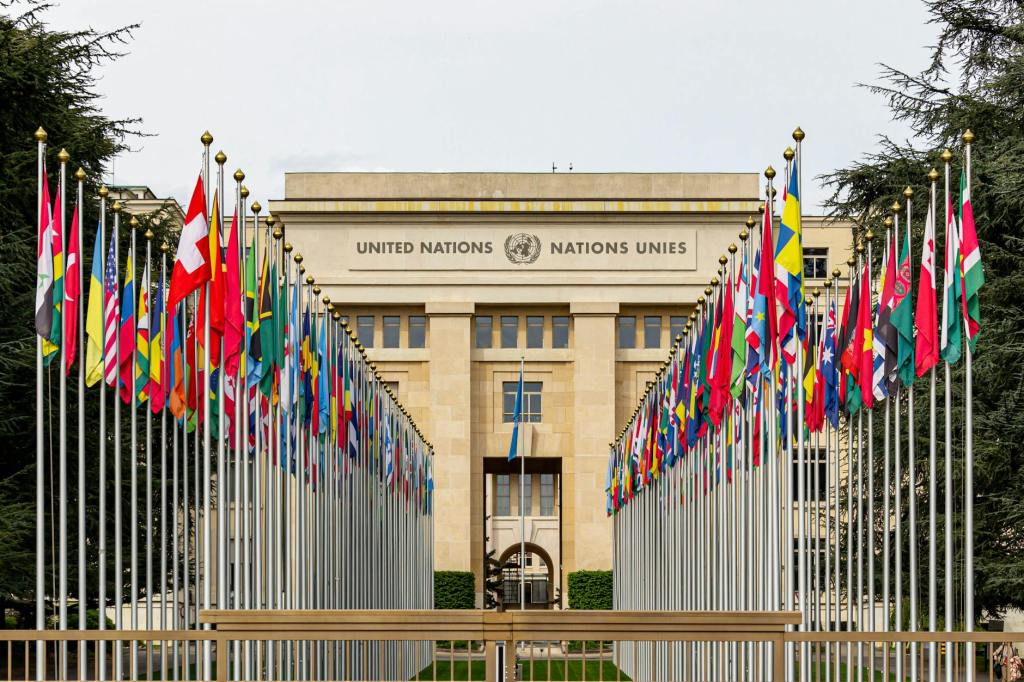
As the global community prepares for the UN Biodiversity Conference COP16 in Cali, Colombia, the World Wildlife Fund (WWF) has outlined its expectations for the crucial event, taking place from October 21 to November 1, 2024. With biodiversity loss continuing unabated, compounded by extreme weather events like heat waves, droughts, and floods, WWF emphasizes the need for urgent and equitable action to reverse nature loss by 2030.
WWF’s concerns are underscored by recent data from the UN Secretariat for the Convention on Biological Diversity, revealing that only 61 parties to the Kunming-Montreal Global Biodiversity Framework (KMGBF) have submitted national targets, and just 15 have published National Biodiversity Strategies and Action Plans (NBSAPs). The organization highlights a significant ambition gap between the commitments made in Montreal and the actual progress reported so far.
Recognizing the challenges faced by some countries—such as data scarcity, political instability, and limited financial resources, especially in the Global South—WWF calls for an acceleration in the delivery of national nature targets. The organization urges nations to enhance support for one another to facilitate effective implementation.
WWF stresses the vital role of nature in addressing the climate crisis, which underpins economies, livelihoods, health, and well-being. To achieve sustainable economic development, robust national-level implementation across both nature and climate sectors is essential.
The organization has outlined five key expectations for COP16:
- NBSAPs: COP16 should encourage parties to initiate or expedite the development and implementation of NBSAPs, while establishing a monitoring framework for global review.
- Finance: The conference must foster confidence in financial resource delivery for KMGBF implementation, ensuring adequate funding for Indigenous Peoples, local communities, and other rights-holders, while aligning financial flows across sectors.
- Human Rights: COP16 should implement measures to mainstream biodiversity and address its loss drivers, incorporating a human-rights-based approach in accountability decisions.
- Building Synergies: The conference needs to integrate nature into climate actions at future climate COPs, recognizing the interconnections between nature, peace, and conflict.
- Equitable Benefit Sharing: COP16 should finalize mechanisms for fair and equitable sharing of benefits derived from genetic information, known as ‘DSI’.
WWF argues that the responsibility for implementing the KMGBF extends beyond environment ministries; it requires collaboration among government bodies, businesses, civil society, and communities to enact transformative changes that counter unsustainable consumption patterns driving biodiversity loss.
With just five years remaining until the 2030 targets, WWF insists that creating ambitious, inclusive nature action plans rooted in human rights is vital for fostering a fairer, more peaceful world. The stakes are high, and WWF emphasizes that the global community must rise to the challenge at COP16.



 PARYAWARAN
Leave a comment