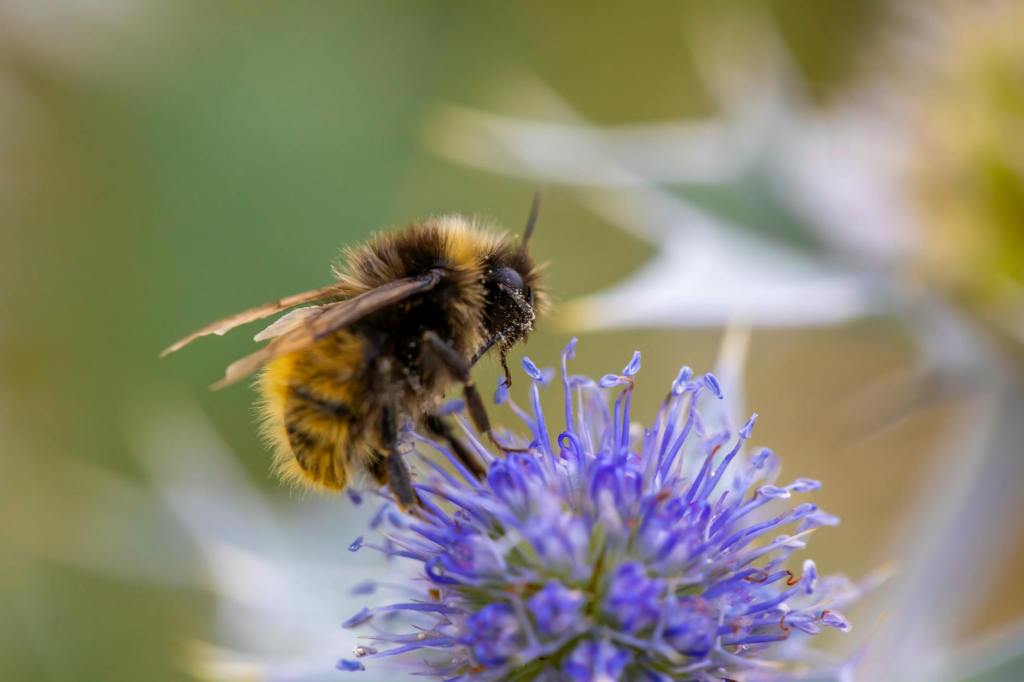
In a groundbreaking study, researchers have revealed that bumblebee queens exhibit a surprising preference for hibernating in soil contaminated with pesticides, even when cleaner alternatives are readily available. This discovery raises important questions about the effects of pesticide use on bee populations and their role in the ecosystem.
The experiment involved presenting bumblebee queens with a choice between clean soil and soil contaminated with various levels of pesticides. Astonishingly, the queens consistently chose the pesticide-laden soil, demonstrating a strong aversion to the cleaner option. Even at high concentrations of pesticides, none of the queens opted for the uncontaminated soil.
The reasons behind this unexpected behavior remain unclear. However, researchers speculate that the presence of pesticides might provide some form of protection against fungi and parasites that pose significant threats to the health of bumblebees. This instinctual preference highlights a complex interaction between bees and their environment, suggesting that pesticides may offer unintended benefits despite their known risks.
The implications of this behavior are profound. With over 70% of bee species nesting in soil, understanding the impact of pesticide contamination on these essential pollinators is crucial. The preference for contaminated soil may have significant ramifications for bumblebee populations, particularly as they face increasing environmental stressors such as habitat loss, climate change, and disease.
Pesticides are designed to eliminate pests, but their effects can ripple through ecosystems, affecting non-target species like bees. This study underscores the need for further research into the long-term consequences of pesticide exposure. While the immediate preference for contaminated soil may suggest a survival strategy, the potential for cumulative harm remains a concern. Pesticides could disrupt the delicate balance within ecosystems, compounding the pressures faced by bee populations.
Bees play a vital role in pollinating crops and wild plants, making their survival essential for biodiversity and food security. As pollinators, they contribute to the production of a significant portion of the food consumed globally. The decline of bee populations in recent years has raised alarms among ecologists and agricultural experts alike, prompting calls for more sustainable farming practices and stricter regulations on pesticide use.
In light of these findings, it is imperative to consider the broader implications of pesticide contamination on bee health and behavior. Efforts to protect bee populations must account for their unique nesting preferences and the potential trade-offs they face in their environments. Strategies for habitat restoration, pesticide management, and public awareness are crucial for ensuring the long-term survival of these important pollinators.
The research serves as a reminder of the intricate relationships within ecosystems and the unintended consequences that can arise from human intervention. As the world continues to grapple with the challenges of environmental degradation and climate change, understanding the complexities of species behavior in response to pollutants will be essential for devising effective conservation strategies.
The preference of bumblebee queens for pesticide-laden soil underscores the need for a deeper understanding of the impacts of agricultural practices on pollinator health. By unraveling the reasons behind this behavior, researchers can better inform policies aimed at protecting bee populations and maintaining the ecological balance necessary for a thriving planet.




 PARYAWARAN
Leave a comment