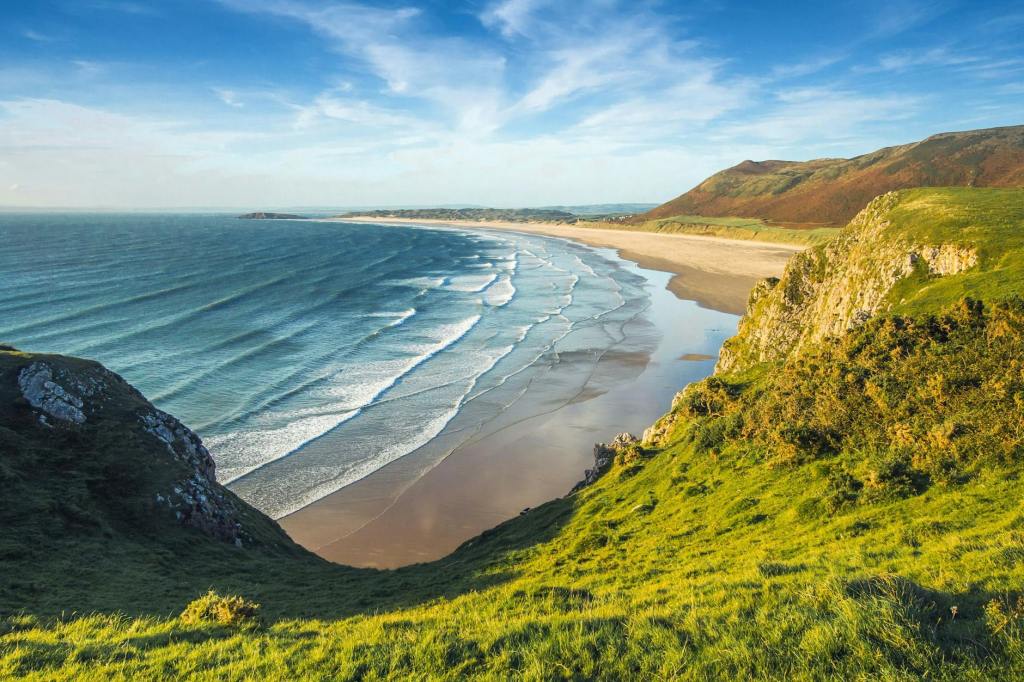
The Biden administration has officially designated 4,500 square miles of ocean off the coast of California as the Chumash Heritage National Marine Sanctuary, marking a significant milestone in marine conservation. This sanctuary is notable for being the first in the United States to be co-managed by Indigenous peoples, reflecting a growing recognition of the importance of traditional ecological knowledge in environmental stewardship.
The establishment of the Chumash Heritage National Marine Sanctuary comes after a nomination by the Northern Chumash Tribe, which has long sought to protect its ancestral marine territories. The sanctuary serves as a vital habitat for diverse marine ecosystems and safeguards sacred Indigenous sites. While fishing will continue to be permitted within the sanctuary, activities such as oil drilling and mining will be strictly prohibited, highlighting the commitment to preserving the area’s ecological integrity.
In creating this sanctuary, the Biden administration has also navigated the complex dynamics of offshore wind energy projects. The need for renewable energy sources to combat climate change necessitated a compromise on the sanctuary’s boundaries. However, this flexibility opens the door for potential future expansions of the sanctuary, demonstrating a willingness to adapt and find solutions that balance environmental protection with sustainable energy development.
The establishment of this sanctuary underscores the critical role Indigenous communities play in conservation efforts. The co-management model is seen as a way to integrate Indigenous wisdom with contemporary environmental science, enriching the approach to marine stewardship. Proponents argue that this partnership not only enhances the effectiveness of conservation strategies but also honors the deep cultural and historical ties Indigenous peoples have with their lands and waters.
The initiative has garnered widespread support from various environmental groups and policymakers, who view it as a necessary step towards a more inclusive approach to conservation. By empowering Indigenous communities to lead and participate in the management of these marine resources, the Chumash Heritage National Marine Sanctuary sets a precedent for future collaborations between federal agencies and Indigenous tribes.
Moreover, this sanctuary is positioned as a crucial element in the fight against climate change. By protecting vulnerable marine ecosystems, it aims to enhance biodiversity and resilience in the face of rising ocean temperatures and changing environmental conditions. The integration of traditional ecological knowledge into conservation practices is increasingly recognized as a vital component of effective climate action.
As the global community grapples with the impacts of climate change, the Chumash Heritage National Marine Sanctuary serves as a model for how Indigenous leadership and knowledge can inform and strengthen conservation efforts. Its establishment represents a significant stride toward acknowledging and rectifying historical injustices faced by Indigenous peoples while also prioritizing the health of marine environments.
Overall, the sanctuary not only advances ocean conservation but also signifies a broader shift towards recognizing Indigenous stewardship as essential in addressing contemporary environmental challenges. This co-management approach could serve as a guiding framework for future initiatives aimed at protecting ecosystems that are increasingly threatened by climate change and human activity.




 PARYAWARAN
Leave a comment