A recent report has identified the Central Cardamom Mountains in Cambodia as a vital sanctuary for wildlife, underscoring its significance for biodiversity and conservation. This study, the first of its kind using camera traps in the region, documented an impressive 108 species, with 23 categorized as Vulnerable or higher on the International Union for Conservation of Nature (IUCN) Red List. These findings highlight the area’s importance as a global biodiversity hotspot.
Conducted through a partnership that includes the Cambodian Ministry of Environment, the United States Agency for International Development (USAID), and Conservation International, the survey recorded a diverse array of wildlife. Among the findings were 65 bird species, 38 mammal species, and five reptile species, including the endangered dhole, a top predator in Cambodia, along with its prey such as wild pigs and northern red muntjacs.
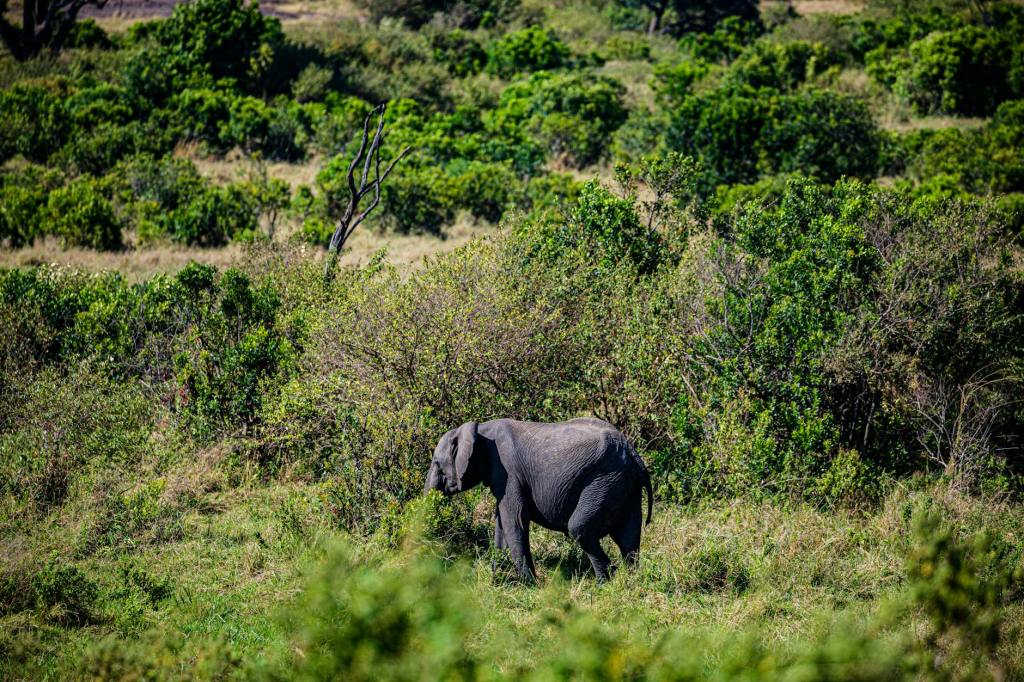
The study also revealed other rare and elusive species, including Asian elephants, clouded leopards, marbled cats, Asiatic golden cats, sun bears, and Asiatic black bears. With over 95% of its forests remaining intact, the Central Cardamom Mountains represent one of Cambodia’s least deforested regions, recognized as a Global 200 ecoregion. This area supports around 4,000 Indigenous Chourng and Por peoples, provides critical ecological services, and plays a key role in carbon storage and watershed protection for over 30,000 people living downstream.
However, the Central Cardamom Mountains face serious threats from illegal logging, agricultural expansion, poaching, and unsustainable resource use, including charcoal production and overfishing. These pressures underscore the urgent need for effective conservation strategies to protect this vital ecosystem.
The survey’s findings reaffirm the area’s significance as a biodiversity haven, though the recorded species represent only a portion of the wildlife present. The camera traps were unable to capture insects, canopy-dwelling birds, or aquatic species like amphibians and fish, indicating a need for more extensive research to fully understand the ecological richness of the Central Cardamom Mountains.
The results of this study highlight the region’s role as a sanctuary for diverse species and reflect the Cambodian government’s dedication to environmental stewardship and sustainable development. The collaborative nature of the research enhances understanding of the ecological services provided by the Central Cardamom Mountains and fosters local community engagement in conservation efforts.
A total of 147 camera traps were set up throughout the landscape, capturing over 55,000 videos and 22,200 images from February to December 2023. This comprehensive dataset establishes a crucial baseline for future wildlife monitoring and emphasizes the pressing conservation needs of the area.
USAID’s investment in the Central Cardamom Mountains underscores its commitment to biodiversity conservation in Cambodia, recognizing the critical role of natural systems in achieving sustainable development goals. The agency supports initiatives that protect natural resources and endangered species while empowering local and Indigenous communities to improve their livelihoods in harmony with the environment.
Local community involvement has been pivotal to the conservation process, with many residents participating in the deployment of camera traps. This engagement fosters a sense of ownership and responsibility towards the natural environment, which is essential for successful conservation strategies.
As awareness of the region’s biodiversity grows, so does the urgency for conservation action. The report advocates for continued collaboration among stakeholders to develop long-term strategies that address the various threats facing the Central Cardamom Mountains. The conservation community remains optimistic that sustained efforts can maintain the ecological integrity of this essential sanctuary for future generations.
The Central Cardamom Mountains serve as a testament to the rich biodiversity that thrives in protected areas. The findings of this report not only illuminate the remarkable species diversity but also serve as a call to action for comprehensive conservation efforts. By prioritizing habitat protection and fostering partnerships, there is hope to preserve this irreplaceable landscape for the wildlife it supports and the communities that depend on its resources.




 PARYAWARAN
Leave a comment