The Guwahati High Court has directed the Assam government to submit an affidavit within three weeks regarding its decision to cancel a notification that declared a 117 square kilometre area near Guwahati as the Garbhanga wildlife sanctuary. The notice was issued in response to a public interest litigation (PIL) challenging the state’s move to reverse the sanctuary’s status.
The controversy began when the Assam government issued a preliminary notification on March 22, 2022, designating the Garbhanga area in Kamrup (M) district as a wildlife sanctuary. However, 17 months later, on September 9, 2023, the government revoked this notification through a second order issued by the additional chief secretary of the state’s environment and forests department.
The PIL argued that once the Garbhanga area was declared a wildlife sanctuary, it attained protected status under the law. According to legal provisions, any decision to reverse this status through denotification or cancellation requires approval from the National Board for Wildlife (NBWL). The petition contends that the Assam government took this action without seeking approval from the NBWL, which it argues is a violation of the established legal process.
The PIL further alleges that the government’s decision to revoke the sanctuary status may be motivated by the interests of private entities, including cement companies and hotel developers, whose projects could be impeded by the protected status of the land. The petitioners have expressed concerns that the denotification of Garbhanga could pave the way for commercial development, threatening the area’s ecological integrity.
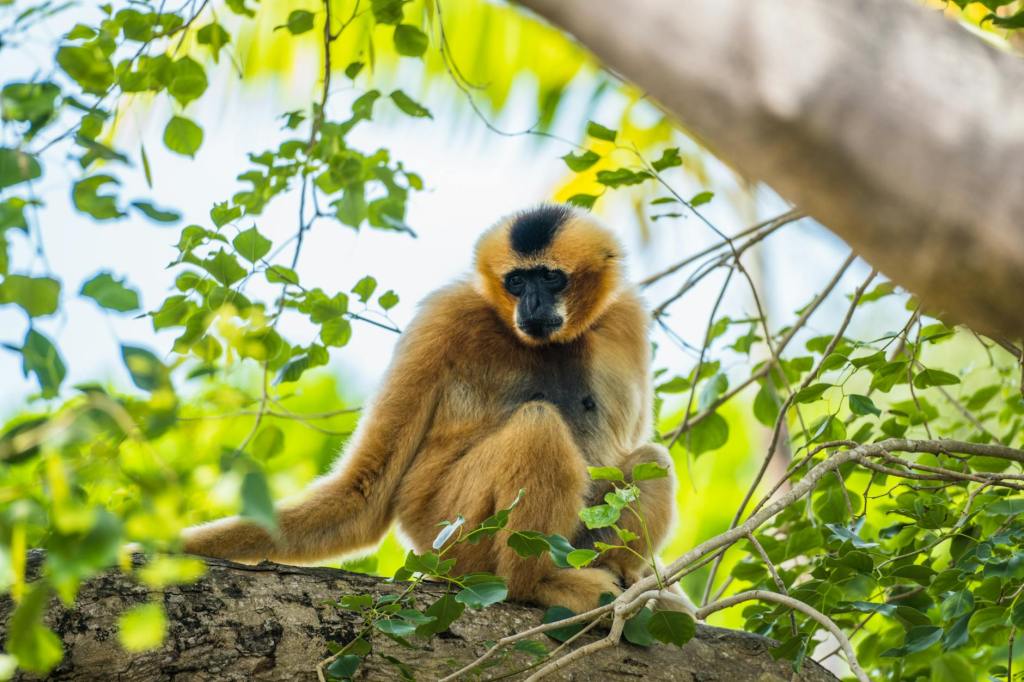
Garbhanga, which was designated a reserved forest in 1862, is a biodiversity hotspot known for its rich wildlife. The area is home to several endangered species, including Hoolock gibbons, Hornbills, leopards, and bears. Additionally, over 309 bird species have been recorded in the sanctuary, making it a popular destination for wildlife researchers and birdwatchers.
The state government’s decision to denotify the sanctuary has sparked widespread criticism from environmentalists and conservationists, who warn that it could have serious consequences for local wildlife. The controversy also follows a recent public outcry over the government’s proposal to build a flyover in Guwahati, which would have required the removal of over 25 century-old trees, further fueling concerns about environmental degradation in the region.
As the legal proceedings continue, attention will remain focused on how the Gauhati High Court addresses the issue of preserving Garbhanga’s wildlife sanctuary status.




 PARYAWARAN
Leave a comment