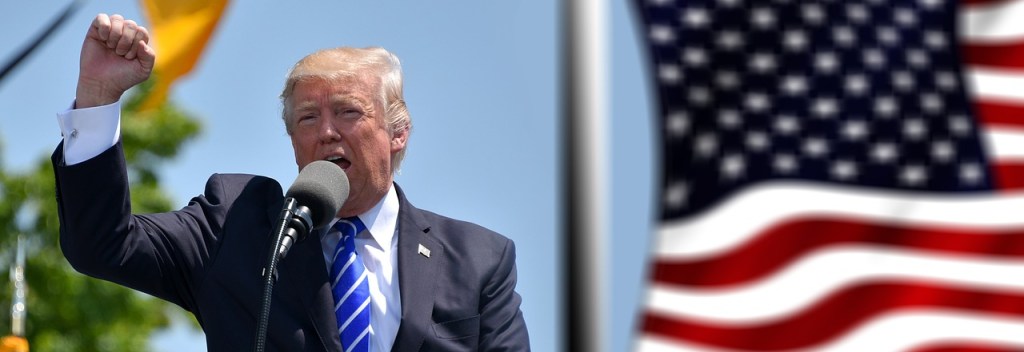
As Donald Trump secures a second term in the White House, experts warn that his presidency could bring further challenges to U.S. environmental policy and global climate action. Throughout his first term, Trump prioritized fossil fuel production, weakened pollution regulations, and reshaped environmental agencies, and many expect a similar agenda in his second term.
Trump’s first administration saw major rollbacks of environmental protections, including reductions in carbon emissions standards for power plants and vehicles. His administration also reversed policies on air and water pollution, dismantling regulations designed to limit mercury emissions from coal plants and restrict industrial water contamination. Most notably, Trump withdrew the U.S. from the Paris Agreement on climate change, signaling the country’s retreat from global efforts to combat climate change.Now, Trump is expected to attempt another exit from the accord, undermining international climate cooperation.
Environmental advocates have expressed concern that another Trump term would stall U.S. efforts to address the climate crisis. The president has repeatedly downplayed the impacts of climate change and appointed climate change skeptics to key positions. With more frequent and intense natural disasters such as wildfires and hurricanes, many argue that the U.S. needs stronger action to mitigate climate risks, particularly as the country remains one of the world’s largest greenhouse gas emitters.
In addition to climate policies, Trump’s second term could see further rollbacks of federal environmental regulations. Key proposals, such as gutting protections under the Endangered Species Act and repealing the Antiquities Act, could significantly reduce safeguards for public lands and wildlife. A new policy agenda also aims to eliminate health-based air quality standards and restrict the ability of communities to have a say in environmental decision-making, potentially weakening public participation in environmental governance.
Trump’s first term was marked by attempts to diminish the power of federal agencies like the Environmental Protection Agency (EPA), which enforces regulations aimed at protecting air, water, and land from pollution. In his second term, this trend could continue, as key agency appointments might prioritize deregulation over environmental protection.
Public health concerns also remain on the table. Trump’s recent campaign has suggested rethinking policies such as the addition of fluoride to drinking water, which has raised alarms about potential threats to public health. His administration’s overall stance could result in weakened safety standards and less emphasis on protecting the environment and human health.
While Trump’s policies may create significant challenges at the federal level, states across the U.S. are continuing to pursue climate and clean energy initiatives. Even in states that have traditionally supported fossil fuel industries, there is growing momentum to electrify transportation, reduce emissions, and protect natural resources. These efforts could provide important counterweights to federal policies and keep progress moving forward on key environmental issues.
Overall, a second Trump presidency could mean continued resistance to climate action, a dismantling of environmental protections, and a re-shaping of public health policies. With the climate crisis intensifying, the impact of these policies could have lasting consequences for the U.S. and the world.




 PARYAWARAN
Leave a comment